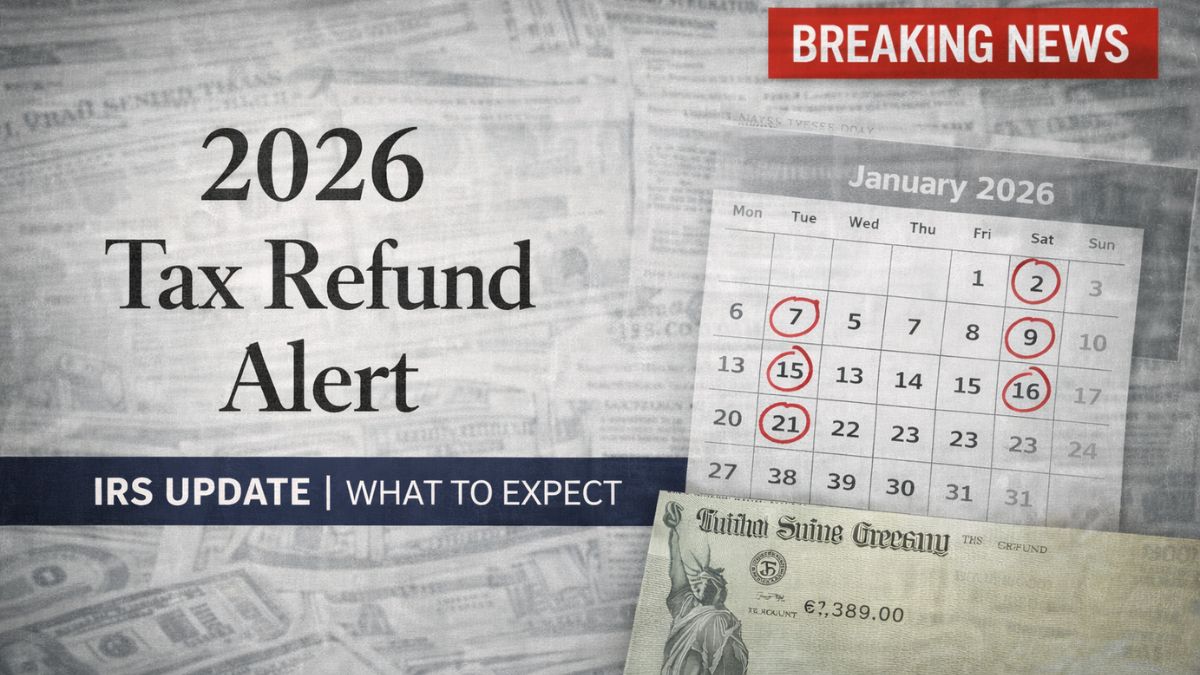
Waiting for a tax refund can feel like watching a pot of water slowly boil. You file your return, you know the money is coming, but the exact timing is uncertain. It’s exciting, a bit nerve-wracking, and sometimes frustrating. If you are already thinking about your 2026 refund, understanding the process can make the wait less stressful. This guide will walk you through the expected IRS timeline, reasons for delays, and tips to stay informed.
The Fastest Way to Get Your Refund
The key to receiving your refund quickly is to file electronically and choose direct deposit. E-filing combined with direct deposit is the fastest route because paper returns or paper checks can add weeks or even months to the process. The IRS recommends this method for speed and accuracy. Remember this for 2026: e-file plus direct deposit is the formula for a faster refund.

When Will the IRS Start Accepting Returns?
The IRS has not officially announced the start date for 2026 tax season yet, but based on previous years, it is likely to begin accepting 2025 tax year returns in mid-to-late January 2026. Once your return is accepted, the clock for your refund begins.
Special Note for EITC and ACTC Filers

If you claim the Earned Income Tax Credit (EITC) or Additional Child Tax Credit (ACTC), the IRS is required by law to hold your refund until at least mid-February to allow for extra fraud checks. Even if you file on the very first day, your refund may not arrive until late February at the earliest.
Why Refunds Sometimes Take Longer
Even with e-filing and direct deposit, delays can happen. Common reasons include errors on your return, incomplete information, or additional IRS review. These delays are usually temporary and do not mean something is seriously wrong. Patience and regular checking of the IRS “Where’s My Refund?” tool can help ease anxiety during this period.

Staying Calm While You Wait
It’s normal to feel eager for your refund. Many people plan to use it for paying bills, saving, or treating themselves. While it’s exciting to anticipate the money, staying informed and patient is important. The IRS typically processes most refunds within 21 days, but some cases take longer.
Conclusion

For 2026, expect the IRS to start processing returns in late January. File electronically with direct deposit, use the IRS refund tracker, and if claiming EITC or ACTC, anticipate a late February refund. A little planning and patience can make your tax refund experience smoother and less stressful.
Disclaimer: This article is for informational purposes only and is not official IRS guidance. Always consult the IRS website or a qualified tax professional for personalized advice.