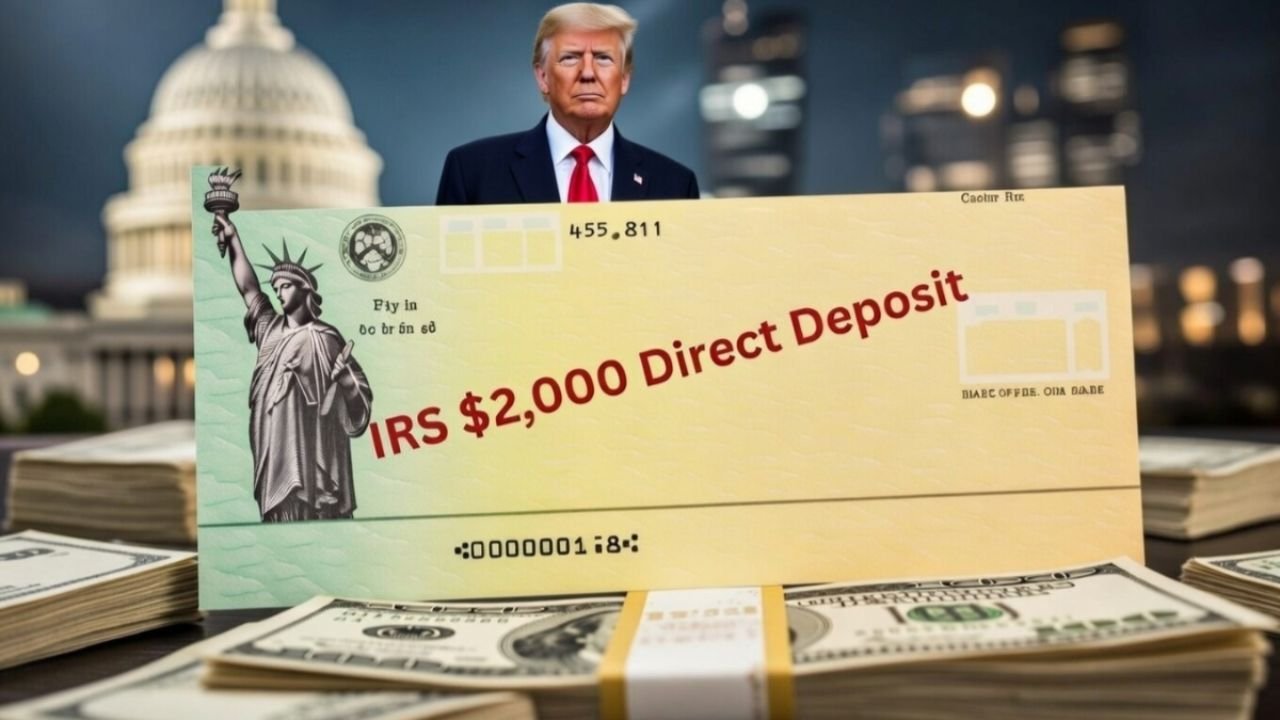
At the beginning of 2026, many Americans are seeing posts online claiming that the IRS is sending a $2,000 direct deposit to everyone. These messages often include payment dates, eligibility details, and charts that make the information look official. With high grocery prices, rent increases, and winter heating bills, the idea of extra money sounds reassuring to many households.
However, it is important to separate attention-grabbing online claims from confirmed facts before making financial decisions.
Why the $2,000 Claim Is Spreading

The $2,000 figure is familiar to many people because of the stimulus payments issued during the pandemic. Those payments were sent quickly and helped millions during an emergency period. Since then, the amount has remained in public discussion as a symbol of financial relief.
In recent months, discussions about inflation, taxes, and cost-of-living pressures have increased. Some online posts mix these discussions with old stimulus references, presenting them as if a new payment is already approved. When shared repeatedly, these claims begin to look reliable, even when no official announcement exists.
Official Status of a $2,000 IRS Payment

As of now, there is no confirmed $2,000 direct deposit for all Americans in January 2026. No law has been passed by Congress to approve such a payment, and no federal funding has been announced for a nationwide IRS deposit. The IRS has also not released any official statement supporting these claims.
Large federal payments follow a clear process. They are discussed publicly, debated in Congress, and announced clearly by government agencies. None of these steps have taken place for a new universal $2,000 payment.
Why Some People May Still See Deposits

January is also the start of tax refund season for many taxpayers. Refunds related to credits such as the Earned Income Tax Credit or the Child Tax Credit can be close to or above $2,000, especially for families with children. Delayed refunds, amended returns, or corrected filings can also lead to deposits that arrive unexpectedly.
When these refunds show up as U.S. Treasury deposits, they can be mistaken for a new federal payment.
Risks of Believing Unverified Information

False claims can create financial confusion and open the door to scams. Messages asking people to confirm details or pay small fees to receive a payment should be treated with caution. Acting on unconfirmed information can lead to financial loss or identity theft.
How to Verify Real IRS Payments
Any genuine IRS payment will be clearly explained on official government websites and through formal announcements. Eligibility rules, payment timing, and methods will be clearly stated by the IRS and other federal agencies.

Final Thoughts
The idea of a $2,000 IRS deposit is appealing, but no such payment has been officially approved for 2026. Staying informed through reliable sources helps households plan wisely and avoid unnecessary stress.
Disclaimer: This article is for informational purposes only and does not provide tax, financial, or legal advice. IRS programs, federal policies, and payment rules may change. Readers should refer to official IRS sources or consult qualified professionals for advice specific to their situation.