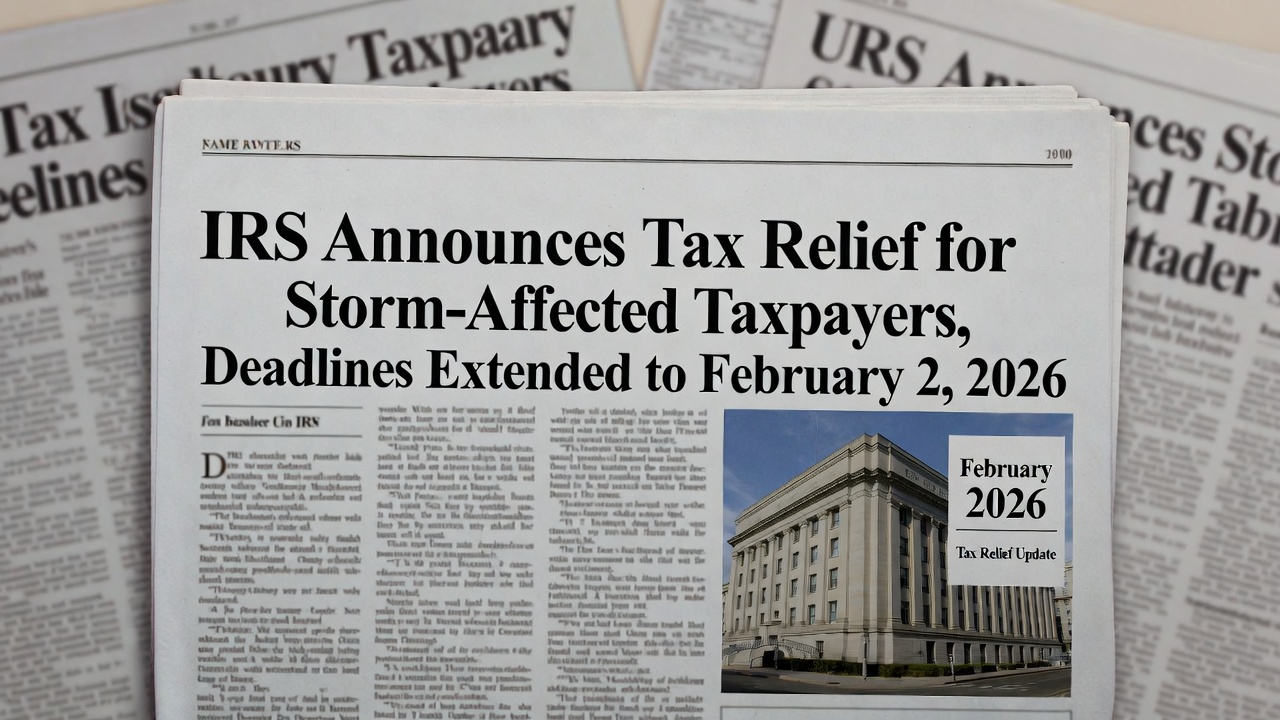
As January 2026 approaches, many Americans are feeling financially exhausted after years of rising prices and constant budget pressure. Between higher grocery bills, rent increases, medical costs, and everyday expenses, even small relief can feel meaningful. That is why the recent announcement of a $2,000 IRS direct deposit has caught so much attention. For millions of households, this payment represents a rare moment of financial breathing room at the start of the year.
This payment is not based on rumors or social media speculation. According to official government information, it is a one-time economic relief payment designed to help individuals and families manage ongoing cost-of-living challenges. The goal is to deliver the money quickly and efficiently, which is why direct deposit has been chosen as the primary method of distribution.
What the $2,000 Payment Is Designed to Do
The January 2026 payment is part of a broader effort to support financial stability for households that have been stretched thin. Officials have described it as a short-term relief measure rather than a long-term benefit program. It is not a loan and does not need to be repaid. It is also separate from regular tax refunds and ongoing benefit programs.

For many families, $2,000 can make a real difference. It may help cover rent, pay down credit card balances, handle utility bills, or create a small emergency cushion. While it may not solve every financial problem, it offers a chance to reset and reduce immediate stress during a difficult time of year.
Who Is Expected to Be Eligible
Eligibility for the January 2026 direct deposit is based largely on recent tax records. Individuals must have filed a federal tax return for either 2024 or 2025 to be considered. The payment is focused on low- and middle-income households, although higher earners are not automatically excluded.
Income limits apply, and payments begin to phase out for individuals and couples with higher annual earnings. U.S. citizenship or permanent residency and a valid Social Security number are also required. Families with dependent children may receive additional support, which can significantly increase the total amount received by a household.

How Much Families Could Receive
The base amount is $2,000 per eligible adult. For married couples filing jointly, this can mean $4,000 in total. In addition, households with dependent children under the age of 17 may qualify for an extra credit per child. This structure is intended to recognize the higher costs faced by families raising children.
The final amount depends on income, filing status, and household size. Most eligible low- and middle-income families are expected to receive the full amount, while those above certain income thresholds may receive a reduced payment.
When Payments Are Expected to Arrive
The IRS plans to distribute payments in stages to avoid system overload and ensure smooth processing. The first wave of direct deposits is scheduled to begin in mid-January 2026 for taxpayers who used direct deposit on recent tax returns. A second wave will follow later in January for other eligible individuals with banking information on file.

Those without direct deposit details will receive their payments by paper check or debit card starting in February 2026. While this method takes longer, all eligible recipients are expected to receive their payment once processing is complete.
What You Should Do to Prepare
Most people do not need to apply for this payment. If you have already filed your recent tax returns and your information is up to date, the IRS will automatically process the deposit. However, it is important to make sure your bank account details and mailing address are current with the IRS to avoid delays.
If you have not yet filed your most recent tax return, doing so as soon as possible is strongly recommended. Filing ensures that the IRS has the information needed to determine eligibility and deliver the payment correctly.

Staying Safe From Scams
Whenever government payments are announced, scams tend to increase. It is important to remember that the IRS will not contact you by phone, text message, or email asking for personal or banking information. Any such request should be treated as suspicious.
The safest way to stay informed is by checking official IRS communications and the IRS website. Relying on verified sources helps protect you from fraud and misinformation during periods of heightened public interest.
What This Payment Means for Households
For many Americans, the last few years have been about survival rather than progress. This $2,000 payment may not change everything, but it can ease pressure and allow families to make one or two meaningful financial decisions. Whether it goes toward bills, savings, or debt, the impact can be both practical and emotional.

More than anything, this payment offers reassurance that some support is available during a challenging time. Planning ahead and using the funds wisely can help households start 2026 with a bit more stability and confidence.
The January 2026 IRS $2,000 direct deposit is intended to provide timely relief to millions of eligible Americans. By using existing tax records and direct deposit systems, the IRS aims to deliver this support quickly and efficiently. Staying informed, keeping your records updated, and relying on official sources will help ensure you receive the payment without issues.
Disclaimer
This article is for informational purposes only and does not provide tax, legal, or financial advice. Payment details, eligibility rules, and timelines are based on official announcements and may change. Readers should consult the IRS website or a qualified professional for guidance specific to their individual situation.