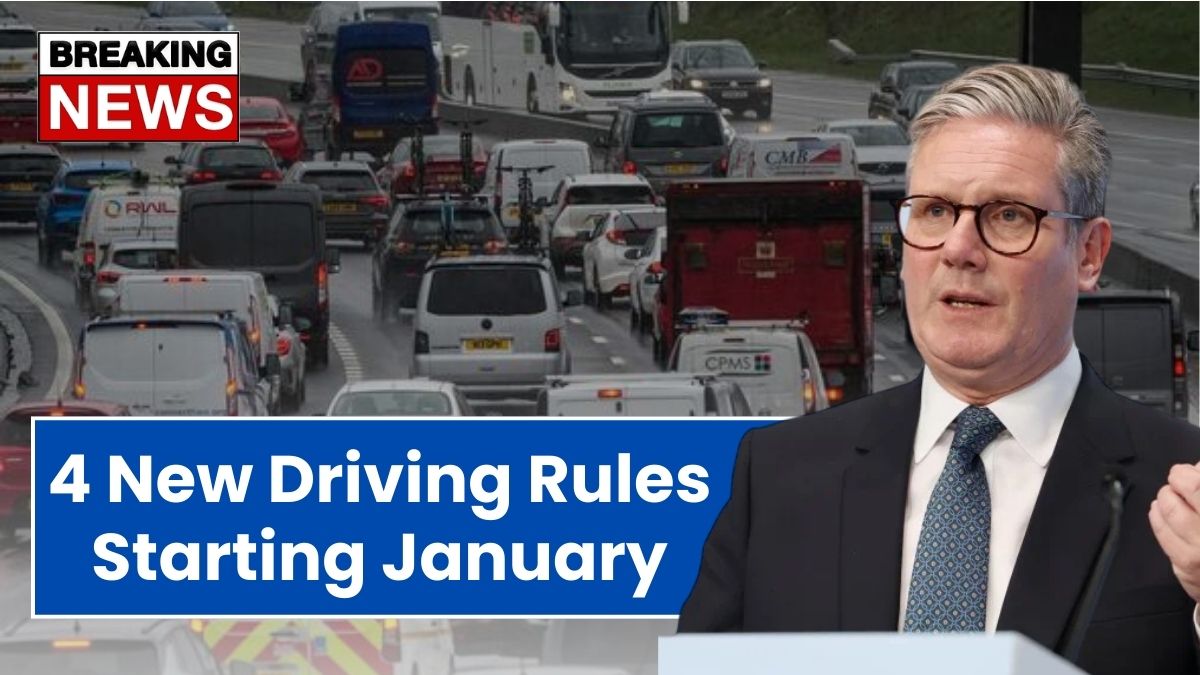
4 New Driving Rules – From January 2026, several important driving law changes will come into force across the United Kingdom, and if you are over 60, these updates are especially important for you. The rules are being updated to improve road safety while making sure older drivers can continue driving independently for as long as it is safe to do so. Many drivers are unaware that these changes will affect licence renewals, medical self-declarations, DVLA identity checks, and even insurance policies. Understanding what is changing now can help you avoid fines, delays, or unexpected problems later.
Why the Driving Law Changes Matter for Over-60s
As drivers get older, the DVLA places more emphasis on health, identity verification, and accurate records. The Driving Law Changes January 2026 focus on ensuring that medical information is current, personal details are correct, and licences are renewed on time. For over-60s, staying informed is essential, as missing a DVLA request or failing to declare a medical condition could lead to licence suspension or insurance issues. These updates are not designed to remove independence, but to keep roads safe while supporting responsible driving.
Mandatory Licence Verification at Age 70 and Beyond
One of the biggest changes arriving in January 2026 affects drivers aged 70 and above. From this point onward, every licence renewal will require mandatory identity verification. Previously, many renewals were completed automatically or through simple paperwork. Now, drivers will need to actively confirm their identity either online using DVLA digital services or through a postal process.

This step ensures that personal details are accurate and up to date, reducing the risk of outdated records or identity mismatches. Drivers who fail to complete verification may experience delays, temporary suspension, or complications with insurance. The DVLA has made it clear that participation in this process is essential to remain legally licensed.
Tighter Medical Self-Declaration Rules for Over-60 Drivers
Medical self-declarations are also being strengthened from January 2026. Drivers over 60 will need to provide more detailed information about their health when renewing their licence. This includes eyesight, mobility, reaction time, and any long-term or developing medical conditions that could affect driving ability.
Even minor symptoms must now be declared. The DVLA is placing greater emphasis on honesty, as failing to disclose information could result in fines or insurance invalidation. In some cases, the DVLA may contact a GP to confirm details. While this may feel intrusive to some drivers, the aim is to ensure everyone on the road is safe, including the driver themselves.

DVLA and NHS Records Will Be Cross-Checked
Another major update coming in 2026 is automated data matching between DVLA records and NHS medical records. This system allows the DVLA to identify inconsistencies between what a driver declares and what is recorded medically. This does not mean licences will automatically be taken away if differences appear, but it may trigger a review or request for clarification.
If the DVLA contacts you regarding your medical information, responding promptly is crucial. Ignoring requests could lead to delays, temporary restrictions, or further checks. This system is designed to improve accuracy and safety, not to penalise honest drivers.
Shorter Licence Validity Periods for Some Drivers
From January 2026, some drivers over 70 may receive licences valid for one or two years instead of the usual three. This change will depend on individual health assessments rather than a blanket rule. The DVLA wants to monitor fitness to drive more closely while still allowing older drivers to remain on the road where appropriate.

Renewal reminders will be sent in advance, giving drivers time to prepare. Shorter validity periods are intended to catch potential issues early and avoid sudden licence loss later on.
Higher Penalties for Ignoring the New Rules
Penalties for non-compliance are increasing from January 2026. Drivers who fail to renew on time, ignore medical reporting requirements, or drive while their licence is under review may face higher fines. Insurance cover could also become invalid, which can lead to serious legal consequences if an accident occurs.
These tougher penalties underline how important it is to keep DVLA records accurate and up to date. Staying compliant protects not only your licence but also your financial and legal security.

DVLA Moves to a Digital-First Communication System
The DVLA is also moving towards a digital-first communication system. Email notifications and online accounts will become the main way drivers receive updates, reminders, and requests. While postal letters will still be available, they may arrive later, increasing the risk of missed deadlines.
Drivers are encouraged to check that their email address and contact details are correct. Creating or maintaining an online DVLA account can make managing renewals and updates far easier and faster.
Insurance Companies Will Take Compliance Seriously
Insurance providers are paying close attention to these new rules. From 2026, insurers may check DVLA compliance when renewing or issuing policies. Any gaps in licence validity, unreported medical conditions, or verification issues could result in higher premiums or even refusal of cover.

It is important to inform your insurer once your licence has been renewed or verified. Keeping proof of compliance can help avoid disputes and ensure continuous coverage.
How to Prepare If You Are Approaching 70
Drivers nearing their 70th birthday should begin preparing at least six months in advance. This means reviewing medical information, updating personal details, checking eyesight, and monitoring DVLA communications closely. Early preparation reduces stress and helps ensure there is no gap in your driving entitlement.
Being proactive also allows time to resolve any medical or identity queries before renewal deadlines arrive.

What Happens If You Ignore These Changes
Ignoring the Driving Law Changes January 2026 can lead to serious consequences. Many drivers only realise there is a problem when renewing insurance or being stopped by authorities. Licence suspension, fines, invalid insurance, and legal trouble are all possible outcomes of non-compliance.
Staying informed and responding promptly to DVLA requests is the simplest way to avoid these risks and continue driving with confidence.
Staying Fully Compliant in 2026 and Beyond
Remaining compliant does not have to be complicated. Regularly check DVLA updates, respond quickly to communications, and keep medical and personal information accurate. These changes are intended to improve safety while allowing responsible older drivers to stay on the road.

By acting early and staying organised, you can reduce stress, avoid penalties, and protect your independence as a driver.
Disclaimer
This article is for general information purposes only and does not constitute legal, medical, or professional driving advice. Driving laws, DVLA procedures, and medical reporting requirements may change, and individual circumstances can vary. Readers should always refer to official DVLA guidance, NHS advice, or consult a qualified professional for personalised information. The accuracy of details cannot be guaranteed over time, and drivers remain responsible for ensuring full compliance with current UK driving regulations.