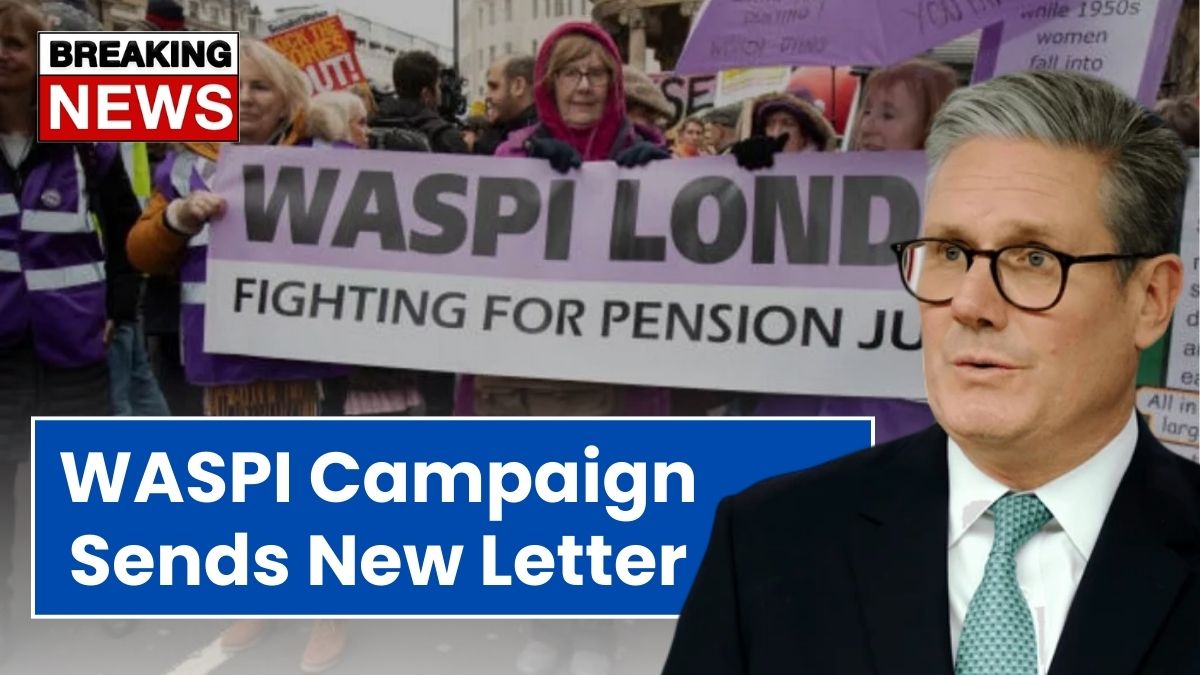
WASPI Compensation Update – The WASPI Campaign has once again returned to the centre of national discussion after sending a fresh letter to government ministers, renewing its call for action over long-standing pension concerns. The timing is significant. Ministers are already under renewed pressure, and campaigners warn that further delays could deepen mistrust and prolong financial hardship for thousands of women across the UK.
For many women affected by the changes, this is not just another headline or political update. It is a reminder that their fight for recognition and fairness is still ongoing. With the cost of living remaining high and uncertainty continuing well into 2026, the latest move by WASPI has reignited debate both in Westminster and among the public.
What the WASPI Campaign Is About
WASPI, short for Women Against State Pension Inequality, represents women born in the 1950s who were affected by changes to the State Pension age. While the government maintains that equalising the pension age between men and women was necessary, campaigners argue that the problem lies elsewhere.

According to WASPI, many women were not properly informed about the changes. They say communication was either delayed or unclear, leaving them little time to adjust their retirement plans. As a result, thousands found themselves financially unprepared, facing years without the pension income they had expected.
Why a New Letter Has Been Sent Now
The decision to send a new letter at this point is not accidental. Ministers are once again facing scrutiny over how the pension age changes were handled, especially following previous findings that communication standards were poor.
WASPI leaders argue that the government has had years to address the issue but has consistently failed to take meaningful steps. The letter urges ministers to reconsider their position and to acknowledge the real-world impact the changes have had on women’s finances, health, and wellbeing.

Campaigners warn that continuing to ignore the issue risks further damage to public trust in the pension system.
What the Fresh Warning to Ministers Says
The message from WASPI is clear: the issue is not going away. The letter reportedly highlights growing frustration among women who feel forgotten despite decades of work and National Insurance contributions.
It also draws attention to the wider consequences of inaction. These include increased reliance on benefits, financial stress, and worsening mental health for many affected women. Campaigners argue that addressing the issue now could reduce long-term social and economic costs.

Government Response So Far
Successive governments have stood by the decision to change the State Pension age, arguing it was lawful, necessary, and driven by longer life expectancy and affordability concerns.
However, critics say this response misses the point. WASPI has never argued against equalisation itself, but against how it was introduced. While compensation options have been mentioned in the past, no full resolution or agreed scheme has ever been put in place.
The latest letter challenges ministers to move beyond legal justifications and focus on fairness and accountability.

Why the Issue Still Matters in 2026
For many women, the effects of the pension age changes are still being felt today. Some are only now reaching their State Pension age, while others have already spent years struggling financially without the income they had planned for.
With everyday costs such as food, energy, and housing still high, the absence of expected pension payments has had lasting consequences. Campaigners argue that the passage of time should not be used as an excuse to avoid responsibility.
Impact on Women Across the UK
The women affected by these changes come from a wide range of backgrounds. Many worked in low-paid, physically demanding jobs, often while caring for children or relatives.

Without proper notice, they had little opportunity to adjust. Some used up their savings, sold homes, or took on debt just to cover basic living costs while waiting for their pension. Supporters of WASPI say these personal stories show why the issue cannot simply be brushed aside.
Legal and Political Pressure Continues to Build
Although legal challenges have produced mixed results, political pressure has not disappeared. MPs from different parties have, at various times, expressed concern over how the changes were communicated.
The new letter is part of a wider effort to keep the issue firmly on the political agenda. Campaigners hope that continued public attention and cross-party support will eventually lead to serious discussions about compensation or transitional support.

What WASPI Is Asking for Now
WASPI is not calling for pension age equalisation to be reversed. Instead, it is asking for fair compensation for women who suffered due to poor communication.
Proposals have included lump-sum payments or targeted support for those most affected. Campaigners believe that acknowledging mistakes and offering compensation would be a major step towards rebuilding trust between the government and the public.
The letter urges ministers to engage directly with campaign representatives rather than repeating long-standing refusals.

Reaction from Supporters and the Public
Supporters of the WASPI campaign have welcomed the latest letter, describing it as necessary and overdue. Many women say it gives them hope that their concerns are still being heard.
Across social media and community forums, affected women continue to share their experiences, highlighting the human cost behind the policy debate. Public sympathy has also grown, with many people agreeing that clearer communication could have prevented much of the hardship.
What Could Happen Next
While there is no guarantee of immediate change, renewed pressure increases the likelihood of further debate in Parliament. Campaigners believe that sustained advocacy, combined with public support, could eventually force a rethink.

Next steps may include meetings with MPs, calls for independent reviews, or further awareness campaigns aimed at keeping the issue in the public eye. For many women, the goal remains simple: recognition, fairness, and closure.
Why This Story Still Matters
The WASPI campaign highlights a wider issue about how major policy changes are communicated and implemented. It serves as a reminder that government decisions can have long-lasting personal consequences.
For UK readers, the story raises important questions about trust, accountability, and how future reforms should be handled. As ministers face fresh warnings, the outcome of this long-running dispute could shape how pension policy is viewed for years to come.

Disclaimer
This article is for informational purposes only and is based on publicly available reports and campaign statements at the time of writing. It does not constitute legal, financial, or pension advice. Pension rules, government policies, and compensation discussions may change over time. Readers affected by State Pension age changes should seek independent advice or refer to official government sources for the most up-to-date and personalised information regarding their circumstances.