As the 2026 tax season gets closer, millions of Americans are paying close attention to one important question: when will their IRS tax refund arrive? For many households, a refund is not a bonus but a financial lifeline. It is often used to pay rent, clear utility bills, manage medical costs, or reduce debt. Understanding the refund timeline can make tax season less stressful and help families plan their money better.
When the 2026 Tax Filing Season Begins
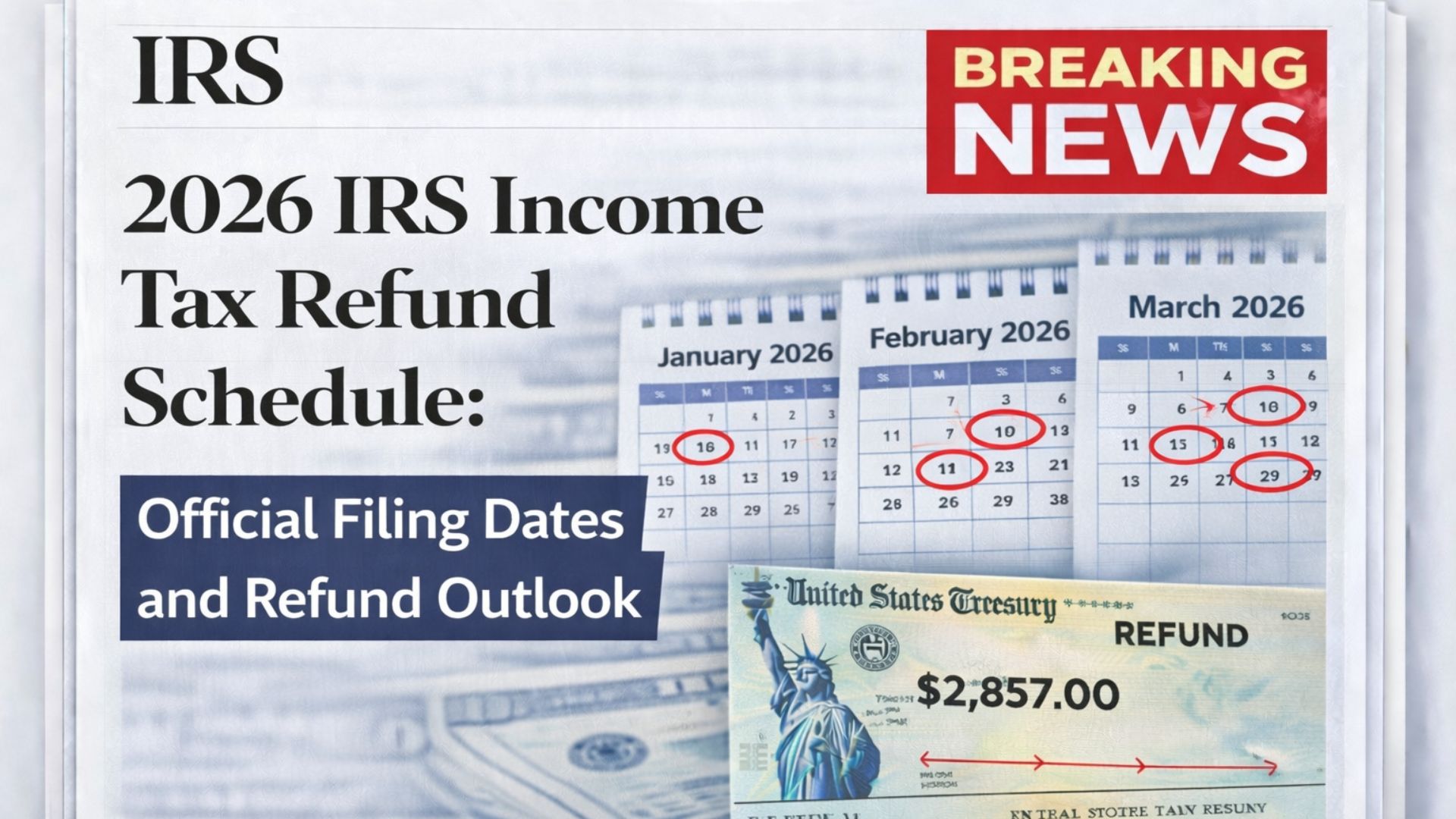
The 2026 tax season applies to income earned during the 2025 tax year. The IRS is expected to begin accepting electronic tax returns from January 26, 2026. Filing early is still encouraged, but this year comes with extra complexity. Changes introduced under the One Big Beautiful Bill Act have altered several deductions, credits, and exemptions. While some taxpayers may benefit from higher refunds, these changes also increase the chances that returns will be reviewed more closely for accuracy.
How Refund Timing May Change in 2026
In past years, filing early usually meant getting a refund faster. Simple electronic returns often resulted in refunds within two to three weeks. In 2026, this may not always be the case. Returns that include credits such as the Earned Income Tax Credit or Child Tax Credit may face automatic delays due to additional verification rules. Even correct returns can take longer to process if they include newly updated tax benefits. Paper-filed returns will take even more time because they must be reviewed manually.

A Move Toward Fully Digital Refunds
A major update for 2026 is the move away from paper refund checks. All IRS refunds are now issued through direct deposit or prepaid debit cards. This change improves security and reduces the risk of lost or stolen checks. However, taxpayers without bank accounts may face extra fees or withdrawal limits when using prepaid cards, which could reduce the usable amount of their refund.
Why Some Refunds Take Longer
Refund delays can also happen due to personal factors. Multiple income sources, recent marriage or divorce, retirement, or changes in dependents can all slow processing. Even small mistakes or missing documents can trigger reviews. Because of this, experts suggest treating refunds as uncertain income rather than guaranteed money arriving on a fixed date.
How to Prepare and Track Your Refund
The best way to avoid delays is to file an accurate return with complete information. Double-checking personal details and income records helps reduce errors. Taxpayers can track refund progress using the IRS “Where’s My Refund?” tool, which provides regular updates once a return is accepted.

Final Outlook for the 2026 Tax Season
The 2026 tax season shows how legal changes, digital systems, and fraud prevention efforts affect refund timing. While these measures improve accuracy and security, they also require taxpayers to be more prepared and patient. Understanding the process in advance can help households set realistic expectations and manage their finances more confidently.
Disclaimer:
This article is for informational purposes only and does not provide tax, legal, or financial advice. Tax laws, IRS procedures, and refund timelines may change. Readers should consult official IRS resources or a qualified tax professional for guidance specific to their situation.