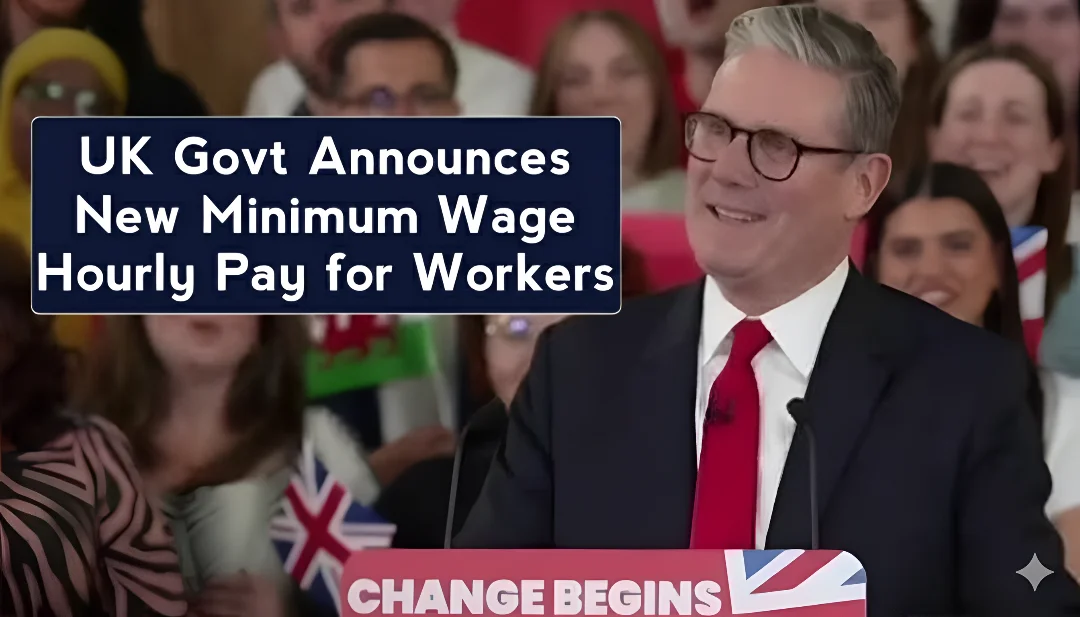
The UK Government has announced a major increase in the National Living Wage (NLW) and National Minimum Wage (NMW), bringing welcome news for millions of workers across the country. The new wage rates will come into effect from the start of the next financial year and are being described as one of the biggest pay boosts ever for low-paid workers.
This decision comes at a time when many households are struggling with rising costs for food, energy, rent, and transport. The government says the increase is designed to protect living standards, support working families, and strengthen the wider economy.
New National Living Wage Rate Explained
The biggest change is to the National Living Wage, which applies to workers aged 23 and over. This rate has been increased by a record amount in cash terms, moving closer to the government’s long-term goal of setting the wage at around two-thirds of average earnings. The rise is intended to help workers better cope with ongoing cost-of-living pressures. Employers are now expected to update their payroll systems to ensure the new rate is paid on time.

Who Will Benefit from the Pay Rise
Millions of workers will directly benefit from the higher wage rates, especially those in lower-paid roles. Employees in sectors such as retail, hospitality, cleaning, security, and social care are expected to see the biggest impact. For many families, this increase will mean more money for essential expenses and a small level of financial stability. The government sees this as an important investment in the workforce and overall economic growth.
National Minimum Wage Changes for Younger Workers
Alongside the National Living Wage, the National Minimum Wage rates for workers under the age of 23 are also increasing. These changes ensure that younger workers are not left behind and continue to receive fair pay as they enter or progress in the job market. The government aims to balance better wages with protecting job opportunities for younger age groups.
Updated Rates for Different Age Groups
Workers aged 21 to 22 will see a strong increase in their hourly pay, helping them manage growing living costs and responsibilities. Those aged 18 to 20 will also receive a notable rise, ensuring their work is properly rewarded. For under-18s and apprentices, the minimum wage has also been increased to maintain fair entry-level pay while encouraging training and employment opportunities.

Special Focus on Apprentice Pay
Apprenticeships play a key role in developing skills and long-term careers, and the government has placed special emphasis on improving apprentice pay. The higher minimum rate for apprentices is designed to make training schemes more attractive and financially viable. This change helps ensure that young people can learn and earn at the same time without facing unnecessary financial hardship.
Economic Background and Cost of Living Pressure
The wage increase comes during a period of high inflation, which has reduced the real value of earnings for many workers. According to the government, this rise is more than a routine adjustment and is meant to help low-income households keep pace with rising prices. Economists will be watching closely to see how this policy affects inflation, spending habits, and employment levels.
Impact on Businesses and Employers
For businesses, especially small and medium-sized companies, the wage increase means higher staffing costs. However, the government argues that better-paid workers are more productive, more motivated, and less likely to leave their jobs. Increased wages can also lead to higher consumer spending, which may benefit local businesses. Employers are advised to review budgets, update pay structures, and plan carefully for the change.

Enforcement and Legal Compliance
HM Revenue and Customs (HMRC) is responsible for enforcing minimum wage laws. The government has confirmed that enforcement will remain strict, with heavy penalties for employers who fail to comply. This includes fines, repayment of unpaid wages, and public naming of offending companies. These measures are meant to protect workers and ensure fair competition between businesses.
Public and Political Reaction
Trade unions and worker advocacy groups have welcomed the announcement, calling it a positive step toward fairer pay. Some business groups, however, have raised concerns about the speed and size of the increase, warning of possible job cuts or price rises. Despite mixed reactions, the policy has strong public support and is seen as a meaningful response to income inequality.
Disclaimer
This article is for general information purposes only. Wage rates, eligibility, and enforcement rules are subject to official government announcements and legislation. Workers and employers should check the latest updates on the official UK Government website or seek professional advice to ensure full compliance with current minimum wage laws.