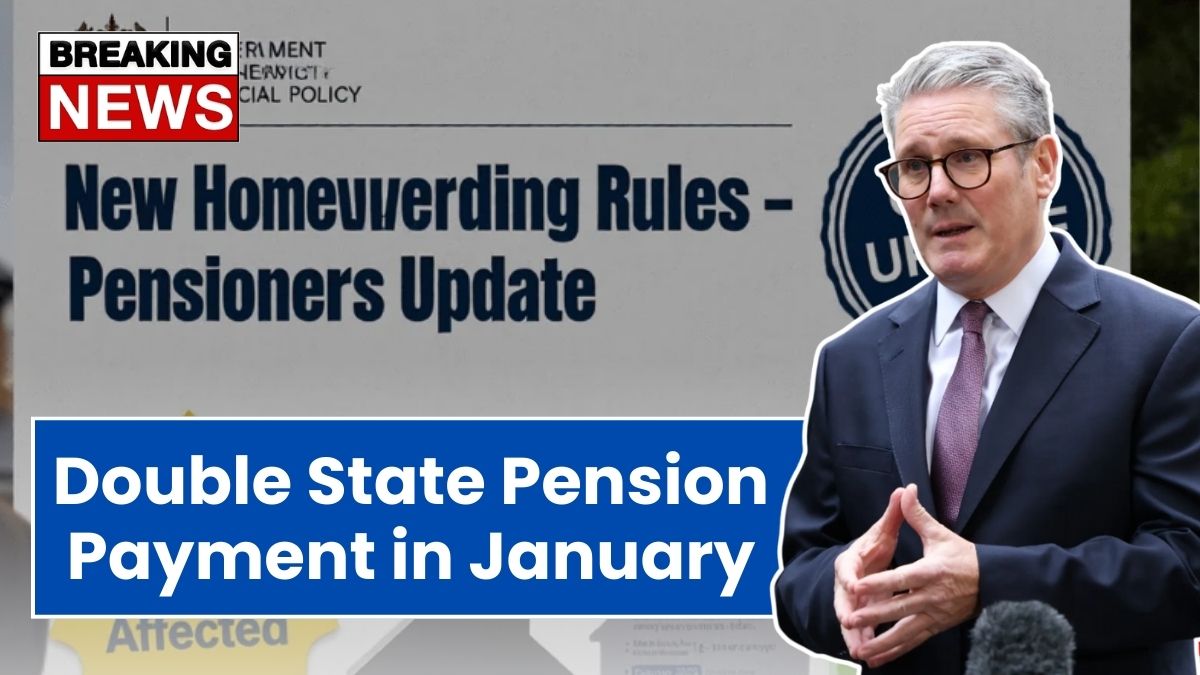
Double State Pension Payment – Millions of pensioners across the UK are in for a bit of a pleasant surprise this January. Thanks to the way State Pension payments are scheduled around bank holidays, some pensioners will actually see two regular payments land in the same month. While this isn’t a new bonus or extra grant, it can still feel like a welcome boost, especially at a time when winter bills are piling up. For many, seeing two payments instead of one can make a real difference in managing household expenses during the colder months.
What Is the January State Pension Boost?
The January State Pension boost happens purely because of timing. Sometimes, due to Christmas or New Year bank holidays, a payment that would normally arrive at the end of December is brought forward. The next regular payment then arrives as usual in January, meaning that pensioners end up receiving two payments in one calendar month. It’s important to stress that this isn’t extra money—it’s just the normal payments landing closer together.
Why £60 Is Often Mentioned
You might have seen £60 mentioned in news articles or online guides, and this is usually because it’s a common weekly rate for some pensioners, particularly those on partial pensions or older basic contribution-based amounts. Of course, not everyone will receive exactly £60. Some pensioners will get more, and some a little less. So, if you do get two payments in January, the total could be around £120 or more—but it’s simply two regular payments rather than any additional bonus.

Who Is Likely to Receive Two Payments in January?
The double payment mainly affects pensioners who are paid weekly. If your normal payment day falls on or near a bank holiday, you’re more likely to see this January boost. Even those paid every four weeks might notice a slight shift, though it’s usually less obvious than for weekly payments. Each year, millions of pensioners experience this timing quirk, making it a familiar pattern around the festive season.
New State Pension vs Basic State Pension
Which type of pension you get affects how much you see in your bank account. Pensioners who reached State Pension age after April 2016 receive the new State Pension, which generally comes with a higher weekly rate. Those who reached pension age before April 2016 usually get the basic State Pension, which is lower and often closer to the £60 figure mentioned earlier. In both cases, the January boost is simply about payment timing—it doesn’t mean extra money is being added to your total pension.
When Will the January Payments Arrive?
Exact payment dates vary depending on your usual schedule and your National Insurance number. Generally, one payment that would have landed at the end of December is brought forward, and the next arrives as usual in January. This means you might see one payment early in the month and another later on. The easiest way to confirm is by checking your bank statement, which will show exactly when the money has hit your account.

Why This Matters During Winter
January can be one of the most expensive months of the year for pensioners. Heating bills spike, grocery costs are high, and post-Christmas expenses often leave households stretched. Having two payments in January can provide a short-term relief, helping people manage bills and essential costs more comfortably. Even though it doesn’t add to your annual total, the timing can make budgeting for the month feel a little easier.
Is This the Same as a Cost of Living Payment?
It’s worth noting that this January double payment is not the same as a Cost of Living Payment, Winter Fuel Payment, or any festive bonus. Those are separate schemes with their own rules and eligibility. The January boost is simply a result of how regular State Pension payments are scheduled around bank holidays. Over the year, your total pension amount remains exactly the same.
What to Do If Your Payment Doesn’t Arrive
For most people, there’s no need to worry. Payments are made automatically, even if bank holidays slightly affect timing. If you think a payment is missing, check your bank statement first and allow at least one working day after the expected date. If the money still hasn’t arrived, you can contact the Pension Service for guidance and support.

Final Thoughts for Pensioners
While it’s not extra money, the January State Pension boost can still be a welcome help during a financially demanding time of year. Seeing two payments hit your bank account in the same month can make it easier to cover essential costs and manage winter bills. Understanding why this happens allows pensioners to plan ahead, particularly for February, when the gap to the next payment may feel longer.
Disclaimer
This article is intended for general information only and should not replace official guidance from the Pension Service. Payment dates and amounts can vary based on individual circumstances, payment schedules, and bank holidays. For accurate information about your own State Pension, it is always best to refer to your official pension letters or contact the Pension Service directly. The details here are meant to provide clarity on timing patterns, not additional entitlements.
