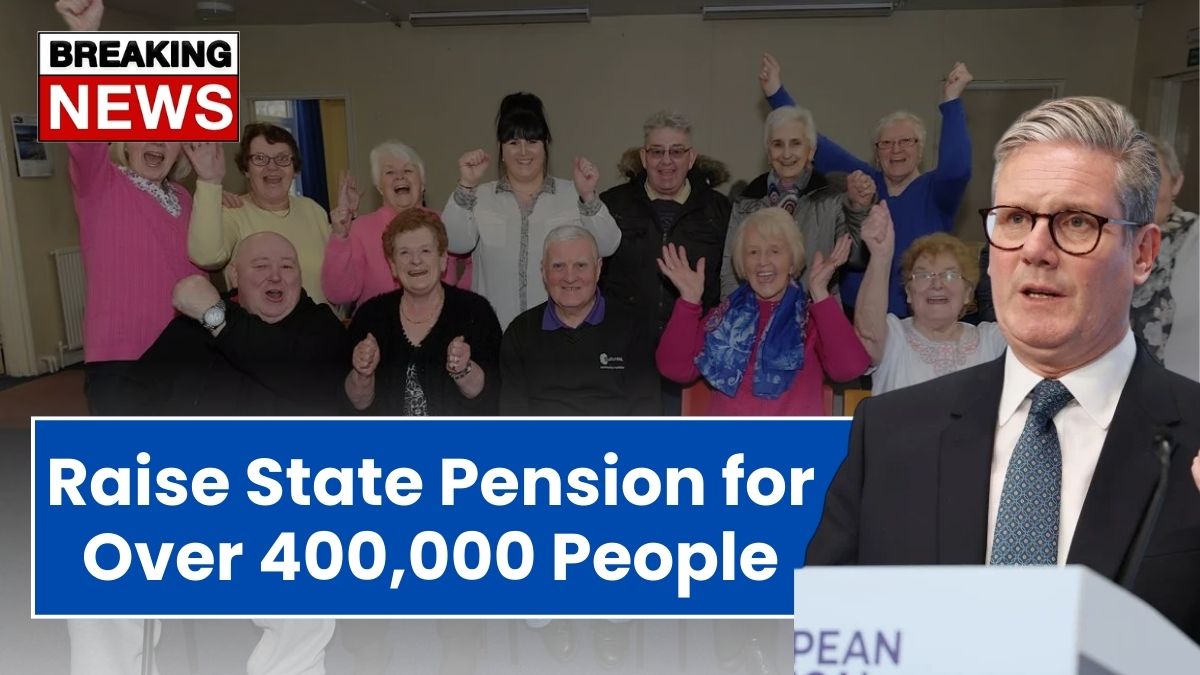
Increase State Pension for 400000 – A fresh wave of pressure is building on the UK Government as campaigners, charities, and pension experts call for a targeted State Pension increase that could benefit more than 400,000 people next year. The focus is on older pensioners who are widely believed to be missing out under the current system. With the cost of living still painfully high, many retirees are struggling to cover everyday essentials, and supporters say urgent reform is now unavoidable. They argue the change is not only about money, but about fairness and protecting vulnerable pensioners from slipping further into hardship.
Why This Pension Issue Is Back in the Spotlight
Concerns about the living standards of older people have pushed the State Pension back into public debate. While the pension has risen in recent years under the triple lock, many pensioners have not benefited equally. Those who retired before newer reforms often remain on lower weekly payments due to outdated rules. MPs have raised the issue again in Parliament, describing it as a long-standing injustice that has been ignored for too long.
Who Are the 400,000 Pensioners Affected
Campaign groups say the pensioners most likely to benefit from any increase include older women who retired under earlier contribution rules, people receiving the pre-2016 basic State Pension, those who relied on a partner’s National Insurance record, and pensioners who never received automatic payment adjustments. Many in this group receive far less than the full new State Pension, despite being eligible for higher amounts. Some are believed to have missed out on thousands of pounds over their retirement.

How Much Could Payments Increase
Although no official figures have been confirmed, campaigners suggest weekly increases could range from £30 to £80, depending on individual circumstances. Over a year, this could mean an extra £1,500 to £4,000. In some cases, pensioners may also receive backdated payments or higher survivor pension amounts. While concerns have been raised about affordability, supporters argue the cost is manageable compared to overall pension spending.
The Role of the Department for Work and Pensions
The Department for Work and Pensions is responsible for reviewing State Pension entitlements and correcting underpayments. In recent years, it has uncovered large-scale errors affecting married women and widows, leading to billions of pounds in repayments. Campaigners argue that these corrections are not enough and that it is unfair to expect pensioners to spot mistakes themselves, particularly those with limited access to financial advice or digital tools.
What Campaigners Are Demanding
Charities and pension groups are calling for automatic reassessment of old pension cases, faster correction of historic underpayments, clearer communication about entitlements, and a permanent uplift for those on the lowest pension rates. They say pensioners should not be forced to battle bureaucracy to receive money they are already owed and believe the system should work for people, not against them.

Political Pressure Is Increasing
MPs from across the political spectrum are now putting pressure on ministers to act. Some warn that failing to address the issue could increase pensioner poverty and damage trust in the pension system. Others point to the moral responsibility of ensuring people who worked and contributed for decades are treated fairly. With a general election approaching, pension policy is becoming an increasingly sensitive issue.
How the State Pension System Created This Gap
Much of the problem dates back to older pension rules that treated men and women differently. Married women often relied on their husband’s National Insurance record, automatic upgrades were not always applied, and many claims required manual action that was poorly explained. As a result, thousands of pensioners remained on lower rates for years without realising they were entitled to more. Later reforms simplified the system but did not automatically correct historic cases.
Why the Cost of Living Makes This Urgent
Rising food prices, energy bills, and housing costs have hit pensioners particularly hard. Unlike working-age households, most pensioners cannot increase their income through work. Charities warn that without additional pension support, more older people may face difficult choices between heating their homes and buying food.

What the Government Has Said So Far
Ministers have acknowledged past underpayment issues but have not committed to a broad pension increase. The government points to existing measures such as the triple lock, Pension Credit, and Winter Fuel Payments. Critics argue these supports do not reach everyone and fail to address deep-rooted inequalities within the pension system.
Pension Credit and Why It Matters
Campaigners have also highlighted low take-up of Pension Credit, which tops up income for the poorest pensioners. Many of the 400,000 affected may be eligible but are not claiming it. While improving awareness and automatic enrolment could help, critics say this does not replace the need for fair and adequate base pension rates.
Could Changes Happen Next Year
Although nothing is guaranteed, insiders suggest a review is likely next year as part of wider pension policy discussions. Possible outcomes include targeted pension uplifts, expanded correction exercises, or new automatic payment systems. Any confirmed changes would likely be announced in a Budget or Autumn Statement.

What Pensioners Should Do Now
Experts advise pensioners to check their State Pension award letters, review their National Insurance records, seek advice if payments seem low, and check eligibility for Pension Credit. Taking action now could still lead to higher payments, even before any new reforms are introduced.
Why This Issue Goes Beyond Money
For many pensioners, this debate is about dignity as much as finances. After decades of work, people expect a system that is fair and transparent. Campaigners argue that correcting pension inequalities would restore trust and show that older citizens are genuinely valued.
The Bigger Picture for the State Pension
The State Pension remains the foundation of retirement income for millions of people across the UK. As living costs rise and the population ages, pressure on the system will only increase. How the government responds to this growing pension push could shape public confidence for years to come.

Final Thoughts
The growing calls to raise the State Pension for over 400,000 people highlight problems that can no longer be ignored. With political pressure increasing and public awareness rising, next year could be a turning point. Whether the government opts for limited changes or meaningful reform, the outcome will have real consequences for hundreds of thousands of pensioners.
Disclaimer
This article is for general informational purposes only and does not constitute financial or legal advice. State Pension rules, eligibility, and payment amounts vary depending on individual circumstances and may change over time. Readers should consult official UK government sources or seek guidance from a qualified financial adviser to confirm their entitlement. The information provided reflects the situation at the time of writing and may be subject to future updates or policy changes.