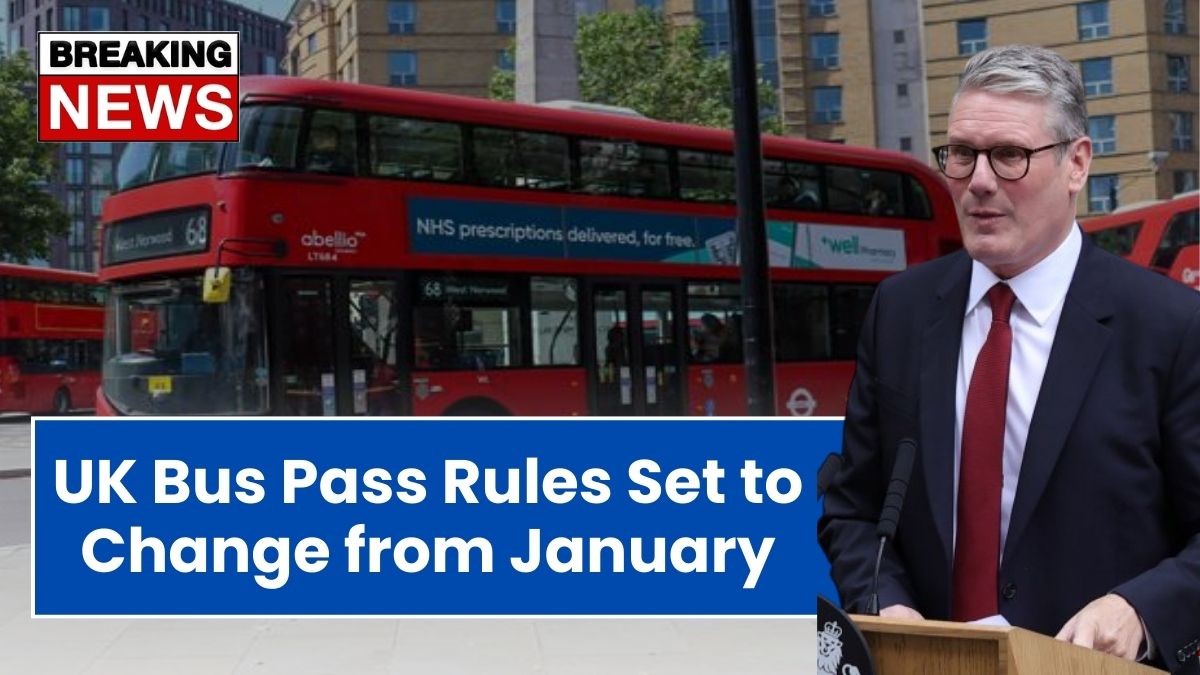
UK Bus Pass Rules – The UK government has officially confirmed that new bus pass rules will come into force from 1st January 2026, bringing noticeable changes for millions of people who rely on concessionary travel. These updates are part of a wider plan to modernise public transport across the country, reduce confusion around eligibility, and make travel more convenient for everyday commuters. From clearer rules to digital bus passes, the changes are designed to create a fairer and more accessible system while keeping up with modern technology and travel needs.
Key Dates for the New Bus Pass Rules
The most important date to remember is 1st January 2026, as this is when the new bus pass rules officially begin. From this point onwards, all new applications and renewals will need to follow the updated guidelines. Local councils are expected to share detailed timelines before the end of 2025, including information about renewal windows and any temporary transition arrangements. Existing pass holders are encouraged to check their pass expiry dates early, as missing renewal deadlines could lead to temporary loss of travel benefits.
Who Will Be Affected by These Changes
The revised rules mainly affect senior citizens, disabled passengers, and other groups who currently qualify for free or discounted bus travel. This includes people of State Pension age, those with recognised disabilities, and in some areas, young people or students who benefit from reduced fares. While most people who are already eligible should continue to qualify, some may notice small adjustments, such as updated age checks or revised disability verification. These changes are aimed at ensuring the system remains fair and properly targeted.

Updated Eligibility Criteria Explained
Under the new rules, eligibility checks are being tightened slightly to make the process clearer and more consistent across the UK. Applicants may need to provide updated proof of age, such as a passport or driving licence, and disabled applicants might be asked for recent medical or benefit-related evidence. The government has stated that these changes are not meant to exclude people but to reduce confusion and ensure that support reaches those who genuinely qualify. Clear guidance will be published by councils to help applicants understand exactly what is required.
How to Apply for a Bus Pass in 2026
From January 2026, applying for a bus pass will be easier and more flexible. Most local councils will encourage online applications through their official websites, where users can upload documents and track their application progress. For those who are not comfortable online, in-person applications will still be available at council offices or designated support centres. Applying early is strongly recommended, especially for people who rely on daily bus travel, to avoid any gaps in access.
Introduction of Digital Bus Passes
One of the biggest changes is the introduction of digital bus passes. These passes can be stored on smartphones or other smart devices, removing the need to carry a physical card. Digital passes are expected to improve security, reduce lost cards, and speed up boarding times. They may also allow users to receive reminders about renewals, service updates, or changes to eligibility. Physical passes will still be available for those who prefer them, ensuring no one is forced to go fully digital.

Changes to Travel Hours and Zones
Some local authorities may also update travel hours, zones, or route coverage for concessionary bus passes. This could mean slight changes to when free travel is allowed or which areas are covered, depending on local transport needs. These adjustments are being made to better manage demand and improve service reliability. Pass holders are advised to check their council’s transport updates regularly so they fully understand where and when their pass can be used.
Impact on Disabled and Priority Pass Holders
Disabled passengers and priority pass holders will continue to receive important protections and support under the new system. However, certain features such as priority boarding, companion travel rules, or access to specific routes may be reviewed and updated. The government has emphasised that these changes are intended to improve safety and accessibility, not reduce support. Disabled travellers should review official guidance carefully to understand how the updates apply to their individual circumstances.
Penalties for Not Following the Rules
With the updated system, councils will be paying closer attention to misuse of bus passes. Travelling with an expired pass, providing false information, or lending a pass to someone else could result in fines or suspension of travel privileges. These measures are being introduced to protect the integrity of the scheme and ensure public funds are used fairly. Staying up to date with renewals and following the rules will help avoid any issues.

Support Available from Local Councils
Local councils will play a major role in helping people adjust to the new bus pass rules. Support will be available through council websites, helplines, and in-person assistance for those who need extra help. Councils are expected to provide clear explanations, step-by-step application guides, and support for digital passes. Reaching out to local council services early can make the transition much smoother.
Conclusion
The bus pass rule changes starting on 1st January 2026 mark a significant shift in how concessionary travel is managed in the UK. With clearer eligibility rules, the option of digital passes, and improved local support, the new system aims to be more modern, fair, and user-friendly. By staying informed, checking council updates, and renewing or applying on time, eligible citizens can continue to enjoy reliable and affordable bus travel without disruption.
Disclaimer

This article is for general information purposes only and is based on publicly available announcements and guidance regarding proposed UK bus pass rule changes. Local council rules, eligibility criteria, and implementation details may vary by area and are subject to change. Readers are advised to check official UK government or local council websites for the most accurate and up-to-date information before making any travel or application decisions.