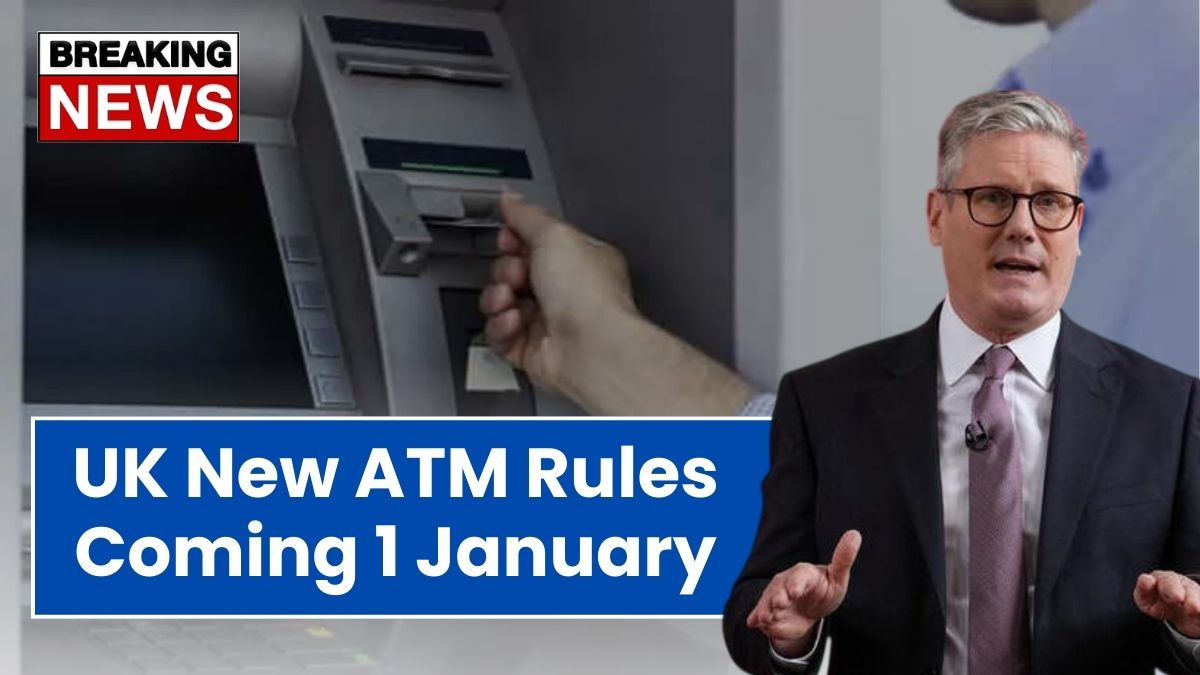
UK New ATM Rules Coming 1 January – From 1 January, anyone over 60 in the UK who uses cash machines needs to be aware of some significant changes. Banks and ATM operators are rolling out new rules designed to protect customers from fraud, improve security, and safeguard vulnerable users. While these changes are meant to keep money safe, they could catch older customers off guard, particularly those who rely on cash for everyday spending. Some withdrawals might be blocked, cards temporarily frozen, or transactions delayed if you’re unprepared.
Why Are Banks Changing the Rules?
Fraud involving cash has been on the rise in the UK, and older people are often the primary target. Scammers have become more sophisticated, using fake calls, texts, and even face-to-face tactics to trick people into withdrawing money. To protect customers, banks are tightening controls around large cash withdrawals, unusual ATM activity, repeated same-day transactions, and behaviour that doesn’t match usual patterns. Over-60s are particularly likely to be affected because of the way they use cash – for example, withdrawing bigger amounts or regularly using the same ATM.
Who Will Be Affected?
These new rules apply to anyone aged 60 and over using UK ATMs. This includes state pensioners, people with private or workplace pensions, older workers, self-employed individuals, and those managing money for a partner or relative. You don’t have to be retired – if your bank knows you are over 60, these new checks could apply automatically.

Daily Withdrawal Limits Are Being Tighter
One of the biggest changes is how strictly banks will enforce daily withdrawal limits. Many people already have limits, but from January, these rules will be applied more rigorously. This could mean that large withdrawals are blocked without warning, that you may be asked to explain why you are taking out money, or that multiple withdrawals in a single day could trigger alerts. If you normally withdraw larger sums to pay bills or help family, it’s worth planning ahead to avoid any hiccups.
Extra Security Checks at the ATM
From 1 January, some over-60s may notice extra messages on-screen when using cash machines. For instance, the ATM may ask questions like, “Is anyone asking you to withdraw this money?” or “Are you being pressured to make this transaction?” In some cases, the machine may pause while checks are carried out. These prompts are designed to prevent scams but could be confusing if you haven’t seen them before.
Temporary Card Blocks Could Happen
Banks will also increase the use of temporary card blocks. If your activity seems unusual – for example, withdrawing a bigger amount than normal, using an unfamiliar ATM, or making several withdrawals in a short time – your card could be frozen for safety reasons. Usually, blocks can be quickly lifted by confirming the transaction with your bank, but it can be stressful if you depend on cash daily.

Night and Weekend Access May Be Limited
Some banks are introducing tighter rules for withdrawals outside of regular banking hours, particularly at night or on weekends. You may find lower withdrawal limits, extra security questions, or delays in releasing funds during these times. While this is intended to reduce fraud when bank support is limited, it makes planning withdrawals in advance even more important.
What You Should Do Right Now
To avoid problems when the rules kick in, there are a few simple steps to take. First, check your bank’s daily withdrawal limit. You can usually find this on your banking app, the bank’s website, or by calling customer services. Second, make sure your contact details are up to date. Banks may need to call or text to verify transactions, and old information could leave you locked out of your money. Third, if you expect to withdraw larger sums, inform your bank in advance. This reduces the chance of your card being blocked. Finally, never follow instructions from anyone pressuring you to withdraw cash. Genuine bank staff will never do this.
Common Mistakes to Avoid
Banks report that many over-60s run into trouble because of simple mistakes. For example, splitting a large withdrawal into several smaller ones can look suspicious to security systems. Using unfamiliar ATMs, especially while travelling, may trigger extra checks. Some people also ignore on-screen warnings, assuming they are routine, but these messages are there for a reason and should always be read carefully.

How This Could Affect Everyday Life
For many older people, cash remains an essential part of life. From paying tradespeople to managing weekly budgets, ATMs are still important. The new rules don’t mean you can’t use cash, but you may need to adjust how and when you withdraw money. Planning ahead, sticking to normal banking hours, and avoiding last-minute large withdrawals can help prevent issues and reduce stress.
Support Available If You Have Problems
If your card is blocked or a withdrawal fails, there is help available. Most banks provide 24-hour phone support, in-branch assistance, and, in some cases, emergency cash services. If you feel unsure, it’s a good idea to take a trusted family member along when contacting your bank.
Why January Is a Critical Time
January is often a high-risk period for fraud. After Christmas, people may be dealing with higher spending, bills, or financial stress, which scammers can exploit. Banks have timed these changes to reduce losses early in the year, so taking action now can save frustration and potential financial loss later.

Final Thoughts
The new ATM rules starting on 1 January aren’t meant to make life harder. They’re designed to protect your money and prevent fraud. By understanding what’s changing and taking a few straightforward steps, over-60s can stay in control of their finances. If you rely on cash, the message is simple: plan your withdrawals, stay alert to on-screen messages, and contact your bank in advance when you expect to withdraw larger amounts. A little preparation goes a long way in keeping your money safe.
Disclaimer
This article is intended for informational purposes only and does not constitute financial advice. Rules and policies may vary between banks and are subject to change. Readers should check directly with their bank or official sources before making decisions regarding ATM usage, withdrawals, or account security. The author is not responsible for any loss or inconvenience resulting from following the information provided.