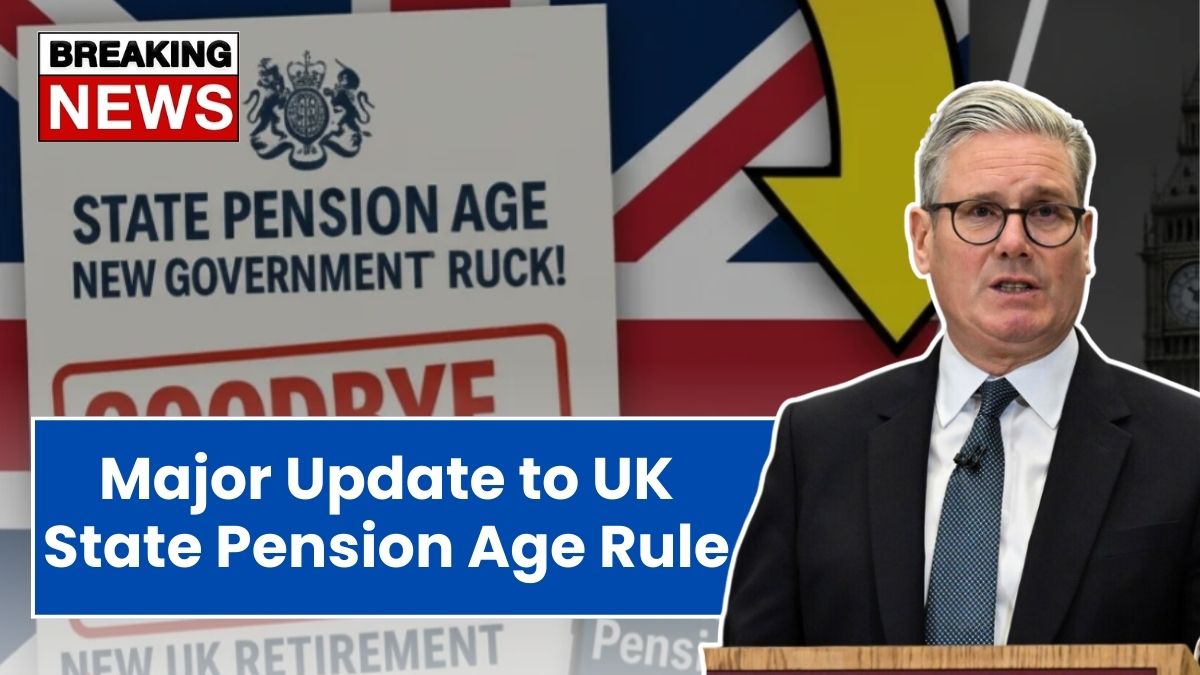
UK State Pension Age Rule – For decades, hitting the age of 67 was a clear milestone for anyone planning to retire in the UK. It was a number people could rely on when calculating savings, pensions, and future plans. Now, that certainty is gone. The government has officially ended the long-standing “67 rule” and introduced a more flexible approach to State Pension age, signalling a major shift in how retirement will be approached for future generations.
What Ending the 67 Rule Really Means
When people talk about the “67 rule,” they’re referring to the planned State Pension age of 67 for those born after April 1960. Up until now, this was a known benchmark, with the next scheduled rise to 68 pencilled in for the 2040s. That framework has now been scrapped. Instead of a fixed retirement age, the new system adjusts the State Pension age based on birth year, life expectancy, and the long-term sustainability of the pension system. Put simply, 67 is no longer the guaranteed finish line for future retirees.
Why the Government Made the Change
The government says this change is driven by three main pressures. First, people are living longer than when the pension system was designed, which means pensions are being paid for more years than anticipated. Second, there are fewer working-age people supporting a growing number of pensioners. And third, public finances are under strain. Without reform, the cost of paying State Pensions could become unsustainable over time. While longer life expectancy is a positive thing, it also creates a major funding challenge for the pension system.

How the New State Pension Age Will Work
The new approach isn’t about a single retirement age that applies to everyone. Instead, the government will conduct regular reviews of the State Pension age, roughly every five years. Adjustments will be based on life expectancy data and other factors, meaning some people may still retire at 67, while others could see the age rise to 68 sooner than expected. Notice periods for any changes are expected to be longer than before, giving workers more time to plan.
Who Will Be Most Affected
The biggest impact will fall on people born after April 1970. Those close to retirement are largely protected, while younger workers may find their State Pension age increasing earlier than previous plans suggested. To break it down: anyone already over State Pension age isn’t affected, people within about ten years of retirement are unlikely to see major changes, and those in their 40s or younger are most exposed to future increases.
What Happens to the Planned Rise to 68
The previous plan to move the State Pension age from 67 to 68 between 2044 and 2046 has been scrapped. Now, the move could happen earlier or later depending on life expectancy reviews. Some indications suggest certain age groups might see it come forward into the 2030s. However, no fixed date has been officially confirmed, making it important for younger workers to remain flexible in their retirement planning.

Why This Matters for Retirement Planning
The State Pension is a key part of retirement income for millions of UK workers. Even a one-year delay can have a significant impact, requiring extra savings, extended working years, or changes to lifestyle expectations in retirement. This is especially true for people without generous workplace pensions. Financial advisers are urging workers to check their plans, diversify their savings, and not rely solely on the State Pension age remaining the same.
Impact on Workplace and Private Pensions
Most workplace and private pensions aren’t tied directly to the State Pension age, but they are still affected. Many people plan to use private pensions to cover the gap until the State Pension kicks in. If that age rises, that gap becomes longer, putting pressure on private savings. Some pension schemes might adjust their normal retirement age in response, though this varies by provider.
What About the Triple Lock?
Ending the 67 rule doesn’t mean the State Pension triple lock has been removed. For now, pensions will continue to rise each year by the highest of inflation, average earnings growth, or 2.5%. But some experts warn that as retirement ages increase, future reforms could revisit how pensions are uprated.

Public Reaction
The response to this announcement has been mixed. Supporters argue that the change is necessary and reflects modern life expectancy, noting that flexibility is preferable to sudden, dramatic increases. Critics, however, worry about the uncertainty it creates and the disproportionate effect on manual workers who may struggle to work into their late 60s. Trade unions and pensioner groups have also raised concerns about fairness, especially for those in physically demanding jobs or with poorer health.
Practical Steps for Workers
If you’re under 55, this change is a clear sign to take retirement planning seriously. Some practical steps include checking your State Pension forecast online, reviewing workplace pension contributions, considering voluntary National Insurance contributions if there are gaps, and building savings outside pensions. Even small increases in monthly contributions can make a meaningful difference over time.
Will the State Pension Age Keep Rising?
The reality is that yes, it probably will. Governments are reluctant to announce pension age increases, but demographic and financial pressures mean further rises are likely. The new review-based system aims to make changes more gradual and predictable, rather than sudden shocks, which should make planning slightly easier for future retirees.

Final Thoughts
The end of the 67 rule is a turning point in retirement planning in the UK. Fixed promises about retirement age are fading, replaced by flexibility, regular reviews, and a closer alignment with life expectancy. While this introduces uncertainty for some, it also brings transparency about the challenges facing the pension system. Future retirees will need to plan more carefully than previous generations, balancing State Pension expectations with personal savings and private pensions.
Disclaimer
This article is for informational purposes only and does not constitute financial advice. Rules and policies regarding the State Pension are subject to change, and individual circumstances can affect eligibility and benefits. Always consult official sources or a qualified financial adviser before making decisions about retirement planning.
