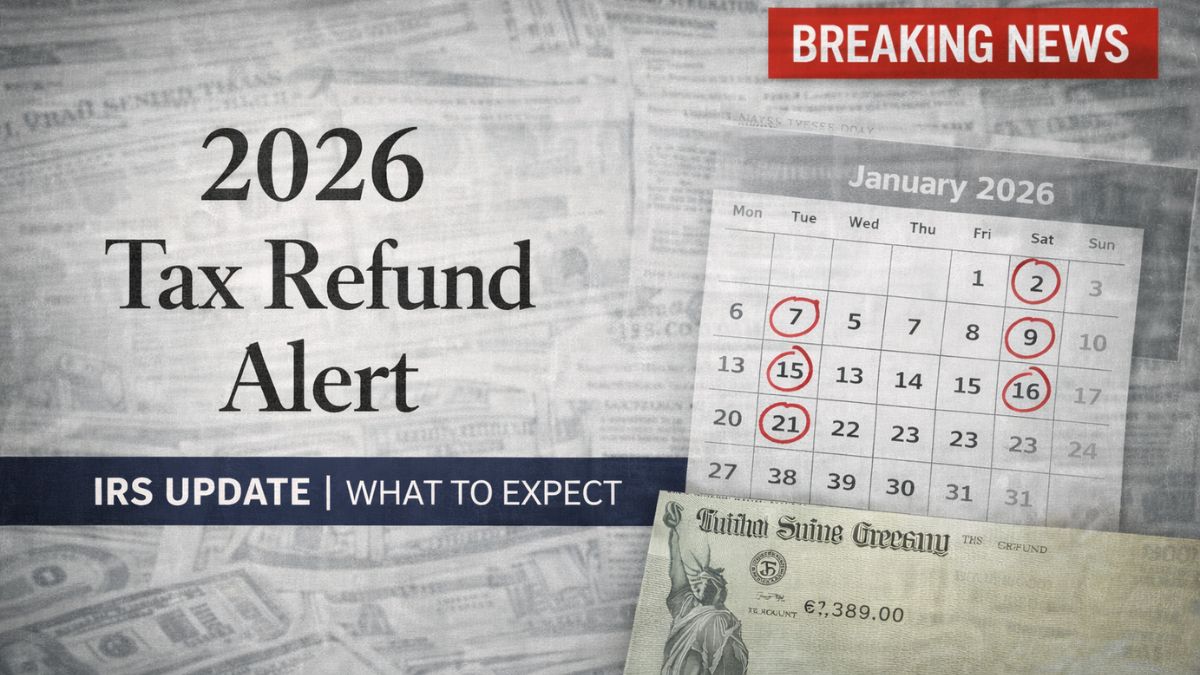
Waiting for a tax refund can feel frustrating, especially when that money is part of your financial plans. Knowing how the refund process works in advance can reduce stress and help you set realistic expectations. For the 2026 tax season, understanding timelines, filing methods, and tracking tools will make the experience much smoother and more predictable.
How to Receive Your Refund Faster
The fastest way to get your tax refund is by filing your return electronically and choosing direct deposit. This method allows the system to process your information quickly and send the money straight to your bank account. Paper returns and mailed checks take much longer because they require manual handling. In most cases, taxpayers who e-file and use direct deposit receive refunds within a few weeks, assuming there are no errors or review issues.
When Filing for the 2025 Tax Year Begins
For taxes covering the 2025 income year, the Internal Revenue Service is expected to begin accepting returns in mid-to-late January 2026. Once your return is accepted, the refund processing timeline officially starts. However, refunds that include credits such as the Earned Income Tax Credit or the Additional Child Tax Credit are legally delayed. These refunds cannot be issued before mid-February, even for early filers, as part of federal fraud prevention efforts.

How to Track Your Refund Status
Taxpayers do not have to guess when their refund will arrive. The IRS offers online tools that allow you to track the progress of your return. By providing your Social Security number, filing status, and refund amount, you can view updates that refresh daily. Creating an online IRS account also helps you securely monitor your refund from any device, giving you confidence and clarity throughout the process.
Avoiding Common Problems and Scams
Delays often happen due to simple mistakes such as incorrect bank details, math errors, or missing information. Double-checking your return before submitting it can prevent many issues. It is also important to stay alert for scams. The IRS does not contact taxpayers by phone, text, or email to request personal or banking details. Always rely on official government websites when checking your refund.
Preparing for a Smooth Refund Experience
Planning ahead is key to a stress-free refund season. Filing electronically as soon as returns open, choosing direct deposit, and monitoring your refund status can help ensure timely payment. If you are claiming certain credits, prepare for a slightly longer wait. Being informed turns waiting into confident planning and helps you use your refund wisely once it arrives.

Disclaimer
This article is for informational purposes only and does not provide financial, legal, or tax advice. Refund timelines, rules, and IRS policies may change. For the most accurate and current information, readers should consult the official IRS website or a qualified tax professional.