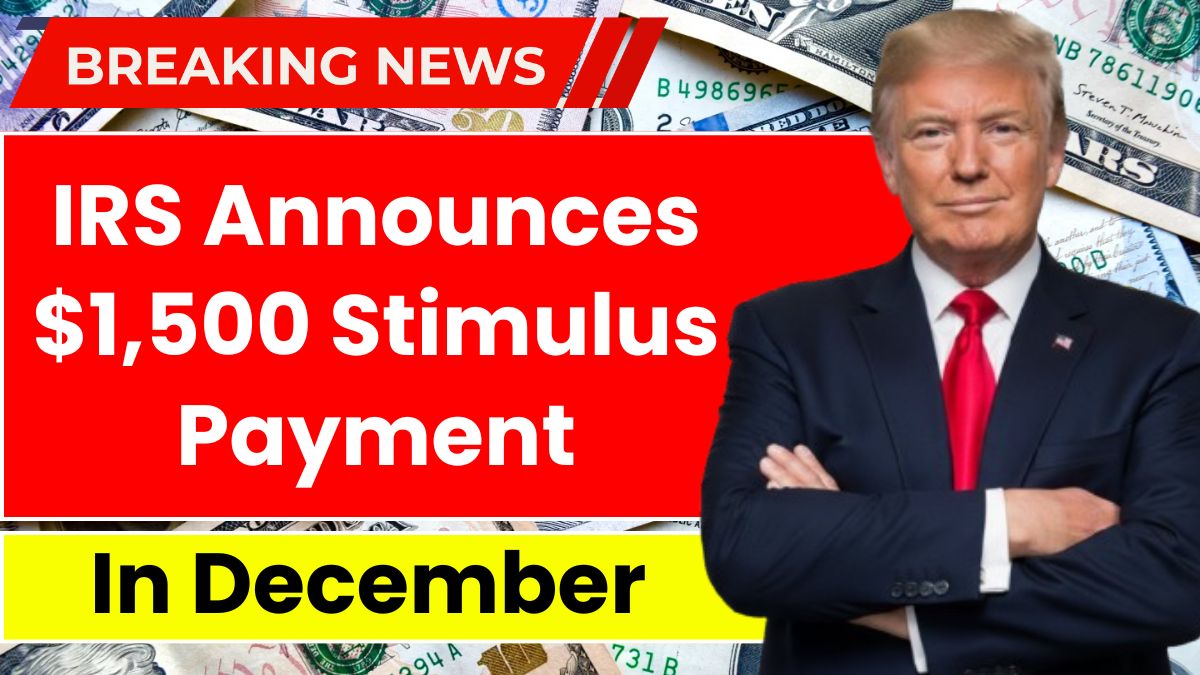
Every year, tax season in the United States brings expectations of refunds and financial support for millions of households. In December 2025, discussions around a $1,500 stimulus payment have created hope among families dealing with rising living costs. With inflation affecting rent, healthcare, groceries, and utilities, this payment could offer timely relief to those who qualify.
Understanding the $1,500 Stimulus Payment
A stimulus payment is a form of financial relief provided through the tax system. In this case, the $1,500 amount is linked to tax refunds, tax credits, or excess tax payments made during the year. Instead of being sent as a physical check, the money is delivered through direct deposit, making the process faster and more secure. This method ensures eligible individuals receive funds without delays caused by postal services or paperwork.
Why the Payment Is Scheduled for December 2025
December is often the most financially demanding month of the year. Holiday expenses, year-end bills, and preparation for the new year place extra pressure on household budgets. The government has chosen this timing to help ease these burdens. Rather than being free money, the payment reflects tax calculations that show certain taxpayers are owed a refund. It is a way to return money that rightfully belongs to them when it is most needed.

Who May Qualify for the Payment
Eligibility is determined by the rules set by the Internal Revenue Service. Generally, individuals must be legal U.S. residents who have filed accurate and complete tax returns. Income levels, filing status, and tax credits all play a role in deciding who qualifies. Not everyone will automatically receive the payment, as the IRS reviews each tax record before approving any refund.
How the Direct Deposit Process Works
The $1,500 stimulus payment is expected to be issued through direct deposit in December 2025. Taxpayers whose bank details are already on file with the IRS are likely to receive their money first. In most cases, direct deposits appear in bank accounts within a few days. Those who have outdated banking information or who receive paper checks may experience delays.
Importance of Accurate Tax Information
In most situations, no separate application is required if the tax return has been filed correctly. However, errors in personal details, income reporting, or bank account information can slow down the process. Keeping tax records accurate and up to date is essential for receiving payments on time.

Staying Safe From Scams
Whenever stimulus payments are announced, scams tend to increase. It is important to remember that the IRS never asks for personal or banking information through phone calls, emails, or text messages. Official updates should always be checked through trusted government sources.
Disclaimer
This article is for general informational purposes only. Payment amounts, eligibility criteria, and timelines may change based on official IRS policies and government decisions. Readers should verify all details through official IRS websites or authorized government channels before making financial decisions.