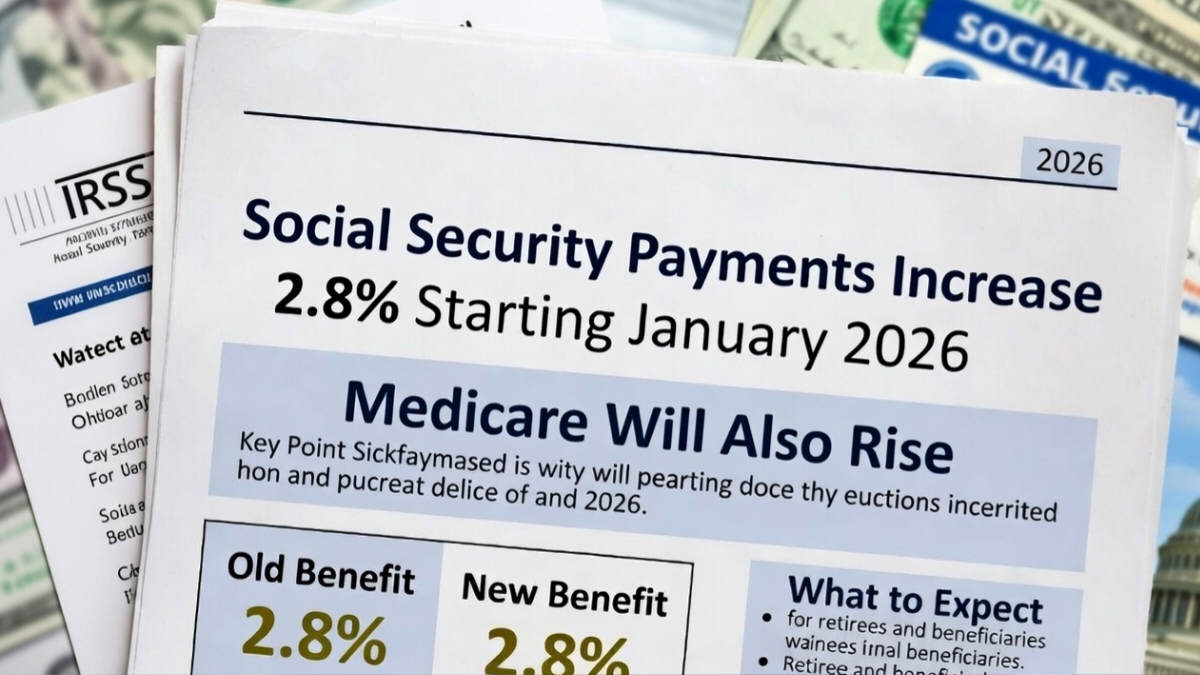
Social Security 2026 Boost: On kitchen tables across America, January letters from Social Security are being opened with mixed emotions. Many retirees see a slightly higher number printed on their benefit statement for 2026. It is not a dramatic jump, but it is noticeable. For people living on fixed incomes, even a small change can shift how the entire month feels.
With rent, groceries, and healthcare costs still climbing, the 2026 Social Security increase has become an important talking point. Understanding what this increase actually looks like in real life helps beneficiaries plan, rather than guess, how their budgets may change.
Why Social Security Payments Are Increasing in 2026
The increase in Social Security payments for 2026 comes from the Cost-of-Living Adjustment, commonly known as COLA. This adjustment is built into law and is designed to help benefits keep pace with inflation. When prices rise, Social Security checks are adjusted upward the following year.

For 2026, the COLA is projected to be a modest increase in the low single-digit range. This means monthly checks will be slightly higher starting with January payments. While the increase is not large, it reflects ongoing inflation pressures that affect everyday expenses.
What the Average Retiree May See in 2026
For a typical retired worker who currently receives around $1,900 per month, the 2026 increase could raise that payment to roughly $1,950 or slightly more. The exact amount depends on each person’s work history and benefit record. No two retirees receive the same check.
This extra $40 to $80 a month may not seem impressive at first glance. However, for many households, that amount can cover a prescription co-pay, a utility bill increase, or part of a Medicare premium that has gone up.

How Married Couples Feel the Change
Married couples who both receive Social Security often feel the increase more clearly when the two checks are combined. If each spouse receives a modest boost, the household may see an extra $70 to $150 per month. That combined amount can reduce financial stress.
For some couples, the increase means fewer compromises. It might allow them to stop juggling bill due dates or dipping into savings. Even small improvements can restore a sense of control over monthly finances.
What the Increase Means for Spouses and Survivors
Spousal benefits also rise with the 2026 COLA because they are tied to the primary worker’s record. A spouse receiving benefits based on their partner’s work history will see their payment increase by the same percentage. The dollar change depends on the starting benefit amount.

Survivor benefits follow the same pattern. Widows and widowers living on survivor checks may see an extra $40 or $50 per month. While modest, that amount can help cover transportation, groceries, or rising housing costs.
Disabled Beneficiaries and SSI Recipients in 2026
Disabled workers receiving Social Security Disability Insurance will also receive the same COLA percentage increase. For someone receiving around $1,500 per month, the increase could push their payment closer to $1,540. This helps offset medical and transportation costs.
Supplemental Security Income recipients, who often live close to the poverty line, feel even small increases more sharply. An extra $20 or $30 can determine whether someone can afford a bus pass, personal care items, or necessary appointments.

Why the Increase May Feel Smaller Than Expected
Even though Social Security benefits rise in 2026, many beneficiaries feel like the increase disappears quickly. This is because other costs often rise at the same time. Medicare Part B and Part D premiums, rent increases, and higher grocery prices can absorb much of the boost.
The COLA is based on past inflation data, not future expenses. As a result, the adjustment may lag behind real-world costs. This gap explains why some people feel disappointed even when their check technically increases.
Turning the 2026 Boost Into Real Relief
One of the most helpful steps beneficiaries can take is planning ahead. Before the new payment arrives, it helps to estimate the increase and assign it a purpose. Deciding where that extra money will go prevents it from disappearing unnoticed.

Some people use the increase for medical expenses, while others apply it toward utilities or savings. Even assigning $20 per month to a specific bill can create stability. A small raise becomes meaningful when it has a clear job.
Why Planning Matters More Than the Size of the Raise
The biggest mistake many people make is ignoring small increases because they seem insignificant. When left unplanned, the extra money often vanishes into daily spending. This leads to frustration when the budget still feels tight.
By planning before the raise hits, beneficiaries maintain control. Whether the increase is $30 or $80, intentional use can reduce stress and prevent end-of-month shortfalls. Planning turns a modest increase into practical relief.

What the 2026 Increase Says About Retirement Today
The 2026 Social Security boost reflects a larger reality about aging in America. Many retirees depend heavily on these payments to survive. The increase is not about luxury, but about dignity and stability.
For some, the extra money means less anxiety at the grocery store or pharmacy. For others, it simply slows the pace at which expenses outrun income. Either way, the increase plays a real role in daily life.
The Social Security increase for 2026 may be modest, but it matters. It affects retirees, spouses, survivors, and disabled beneficiaries alike. While it will not solve every financial challenge, it provides some breathing room.

Understanding how the increase works and planning for it ahead of time can make a real difference. Social Security may be a system on paper, but its impact is felt month by month, bill by bill.
Disclaimer
This article is for informational purposes only and is written in simplified language. It does not provide legal, financial, or retirement advice. Social Security benefit amounts, COLA adjustments, and payment rules may change based on official government updates. Readers should consult the Social Security Administration or a qualified professional for guidance specific to their individual situation.