Social Security Payment Schedule for February 2026: For millions of Americans, Social Security is not just a government benefit. It is the backbone of monthly budgeting and the source of peace of mind that makes everyday expenses manageable. As 2026 approaches, the confirmation of February payment dates and the annual Cost-of-Living Adjustment, known as COLA, offers both clarity and cautious optimism. With prices still high for essentials, knowing exactly when payments arrive and how much they will increase truly matters.
Why February 2026 Social Security Dates Are So Important
February often creates unnecessary worry because it is a shorter month. Many beneficiaries fear delays or missed payments, but the system remains steady. The Social Security Administration uses a structured payment schedule that does not change just because the calendar does. Understanding your assigned date allows you to plan rent, utilities, medical costs, and groceries without stress or last-minute scrambling.
Clear information is especially valuable during winter, when heating bills and healthcare expenses often rise. Knowing your exact deposit date can prevent late fees and help you feel more in control of your finances.

February 2026 Social Security Payment Dates Explained
The February 2026 Social Security payment schedule follows the familiar birthdate-based system. People who started receiving benefits before May 1997 will receive their payment on February 4, 2026. This same date also applies to most individuals who receive both Social Security and SSI.
For everyone else, payment dates depend on birth dates. Beneficiaries born between the 1st and 10th of any month will receive their payment on February 11. Those born between the 11th and 20th will be paid on February 18. People born between the 21st and 31st will receive their benefits on February 25. These dates are final and do not shift due to weekends or holidays this month.
Why Some People Are Paid Earlier Than Others
Many people wonder why Social Security uses different payment days. The system exists to spread out deposits so millions of payments can be processed securely and efficiently. The two main factors are when benefits began and the beneficiary’s date of birth.

SSI payments are usually sent at the beginning of the month. If the first falls on a weekend or holiday, payments are issued early. This rule protects beneficiaries from delays and ensures consistent access to funds.
Understanding the 2026 COLA Increase
The Cost-of-Living Adjustment is designed to help Social Security benefits keep pace with inflation. Each year, inflation data from the Consumer Price Index for Urban Wage Earners and Clerical Workers is reviewed to determine the increase.
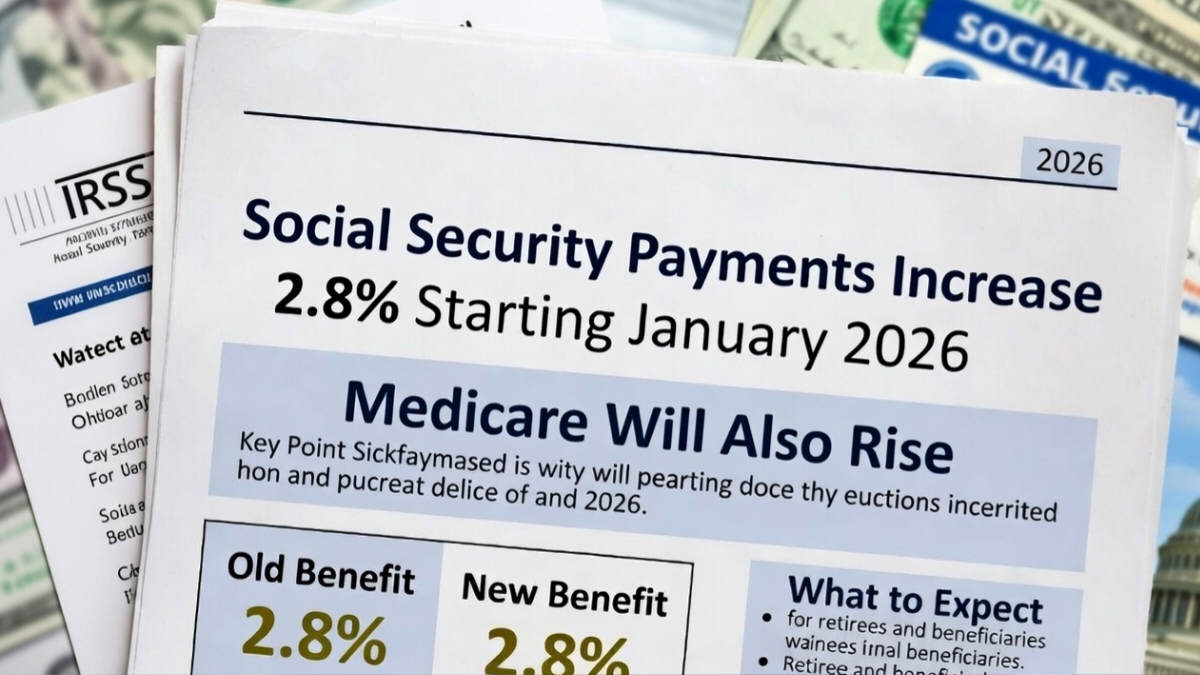
For 2026, early projections estimate a COLA of around 2.8 percent. While this may feel modest compared to recent high inflation years, it still represents a meaningful boost. It reflects easing inflation trends while continuing to support purchasing power for retirees, disabled individuals, and survivors.

What the COLA Increase Means for Your Monthly Check
To put the increase into real terms, consider a beneficiary receiving $1,800 per month in 2025. A 2.8 percent COLA would raise that amount by about $50 per month. Starting with the January 2026 benefit, paid in February, the new monthly amount would be approximately $1,850.
That extra money may not seem dramatic, but for many households it makes a real difference. It can help cover a prescription, offset a utility bill, or reduce the stress of choosing between necessities. Over a full year, those small increases add up.
Why Social Security Changes Are About More Than Numbers
Payment schedules and percentages may sound technical, but Social Security is deeply personal. Each deposit represents independence, dignity, and stability. It is the income that allows people to remain self-sufficient after decades of work.

The COLA increase acknowledges that living costs do not stand still. Even when inflation slows, expenses rarely fall. This adjustment helps ensure beneficiaries do not gradually lose ground year after year.
What to Do If Your Payment Is Late
Most payments arrive on time, especially with direct deposit. If a payment does not show up on the scheduled date, the SSA recommends waiting three business days before contacting them. Short delays can occur due to bank processing or federal holidays.
Checking your bank account or Direct Express card first often resolves concerns quickly. Keeping your contact and banking information updated also reduces the risk of delays.

How to Prepare for February 2026 Now
Preparing ahead helps reduce anxiety. Logging into your my Social Security account allows you to review benefit information, confirm payment dates, and see official COLA notices when they are released in December 2025.
Adjusting your 2026 budget after learning your new benefit amount can also help. Even setting aside a small portion of the increase into savings can build a financial cushion and emotional security.
A Final Thought on Planning With Confidence
Social Security can sometimes feel confusing, but understanding the payment schedule and COLA gives you control. These benefits were earned through years of work and contributions. Staying informed is one of the best ways to protect them.

As February 2026 approaches, knowing exactly when your payment will arrive and how much it will increase can bring peace of mind. That certainty allows you to focus less on worry and more on living your life with confidence and stability.
Disclaimer
This article is for informational purposes only and is written in simplified language. It does not provide legal, financial, or retirement advice. Social Security rules, payment schedules, and benefit amounts may change based on official government updates. Readers should consult the Social Security Administration or a qualified professional for guidance specific to their individual situation.