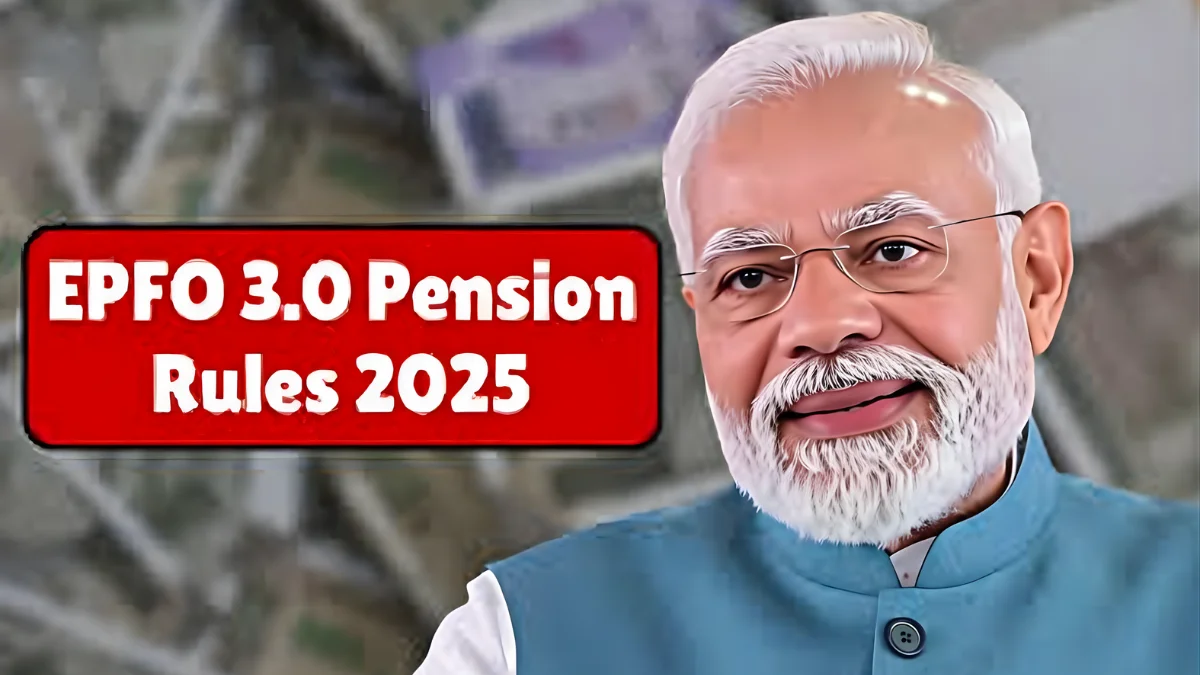
EPFO 3.0 Pension Rules 2026: EPFO 3.0 Pension Rules 2026 are set to bring a major transformation to India’s pension system. This reform aims to make pension delivery faster, smoother, and more transparent for nearly 80 lakh retirees across the country. For years, pensioners have faced delays, paperwork issues, and verification problems. The new system is designed to fix these long-standing challenges.
By moving toward a fully digital framework, EPFO 3.0 places retirees at the center of pension management. The focus is on timely payments, reduced errors, and improved trust in the system. This change marks an important step toward modern governance.
Why EPFO 3.0 Is Considered a Landmark Reform
For many retirees, pension income is the main source of financial support. Even small delays can cause serious stress, especially for those with medical or household expenses. EPFO 3.0 has been introduced to remove inefficiencies that slow down pension processing.
The reform replaces manual and paper-based systems with digital workflows. This shift aims to improve speed, accuracy, and accountability, ensuring pensioners receive their money on time without repeated follow-ups or visits to EPFO offices.
Problems Faced Under the Old Pension System
Under earlier systems, pension processing involved heavy paperwork and multiple verification steps. Files often moved slowly between offices, causing delays in approvals and payments. Pensioners were left uncertain about timelines and outcomes.
Errors in records, mismatched data, and missing documents further complicated the process. Many retirees had to make repeated visits or rely on intermediaries to resolve simple issues, leading to frustration and financial insecurity.
What Changes With EPFO 3.0 Pension Rules
EPFO 3.0 introduces a fully digitized pension ecosystem. Pension calculations, approvals, and disbursements are expected to be handled through integrated digital platforms. This reduces dependence on physical documents and manual intervention.
By using automated systems, the chances of human error are significantly reduced. Processing backlogs that once delayed pension payments are expected to decrease, leading to a more reliable and efficient system.
How Digital Processing Improves Pension Timelines
Under the new rules, pension claims and revisions will be processed electronically. Automated checks help identify discrepancies at an early stage, preventing delays later in the process. This allows quicker approvals and smoother disbursement.
Digital records also make it possible to track pension status in real time. Retirees can see where their application stands, reducing uncertainty and the need for repeated inquiries or office visits.
Who Benefits the Most From EPFO 3.0
Existing pensioners are among the biggest beneficiaries of EPFO 3.0. With nearly 80 lakh retirees covered, the reform has a wide-reaching impact. Timely pension payments can greatly improve daily life and financial stability.
Employees approaching retirement will also benefit from smoother transitions. Digital verification and automated processing reduce last-minute issues, ensuring pensions start on time after retirement.
Impact of EPFO 3.0 on Pensioners’ Daily Lives
Reliable and timely pensions help retirees plan their expenses with confidence. Regular payments ensure that essentials such as food, electricity, rent, and medical costs are managed without disruption.
Reduced dependence on middlemen and fewer administrative hurdles lower stress levels. Pensioners can focus on their well-being instead of worrying about delayed or missing payments.
Role of EPFO in Driving the Digital Overhaul
The Employees’ Provident Fund Organisation is leading this modernization effort as part of a broader digital transformation agenda. By upgrading technology infrastructure and integrating databases, EPFO aims to improve service quality.
The organization has emphasized that EPFO 3.0 is focused on long-term reliability rather than temporary fixes. This approach aligns pension services with the expectations of a digital-first India.
What Pensioners Should Do to Prepare for EPFO 3.0
Pensioners are encouraged to ensure their personal details are accurate in EPFO records. Bank account information, Aadhaar details, and contact numbers should be updated to avoid payment issues.
Being comfortable with basic digital tools can also help retirees take full advantage of the new system. This preparation will reduce delays during the transition phase.
Challenges During the Transition Phase
As with any large-scale digital reform, EPFO 3.0 may face initial challenges. Some pensioners, especially the elderly, may find it difficult to adapt to online processes.
To address this, EPFO is expected to provide support mechanisms such as help desks and assisted services. The goal is to ensure no beneficiary is left behind during the shift.
Long-Term Significance of EPFO 3.0 Pension Rules
Beyond immediate improvements, EPFO 3.0 lays the foundation for future pension reforms. A strong digital backbone allows faster policy updates and better data security.
In the long run, this modernization is expected to strengthen trust in the pension system. It ensures that future generations of retirees benefit from a more efficient and transparent framework.
Conclusion: A New Era for Pension Management in India
EPFO 3.0 Pension Rules 2026 represent a major step toward ensuring timely and reliable pensions for millions of retirees. By embracing digital processes, the system addresses long-standing inefficiencies and offers greater transparency.
If implemented effectively, EPFO 3.0 could redefine pension management in India. For retirees, it promises peace of mind, financial stability, and dignity in their post-retirement years.
Disclaimer
This article is for informational purposes only and is based on publicly discussed policy directions related to EPFO 3.0 Pension Rules 2026. Final rules, timelines, and implementation details may vary based on official notifications issued by EPFO and the Government of India. Readers are advised to refer to official EPFO communications for accurate and up-to-date information.