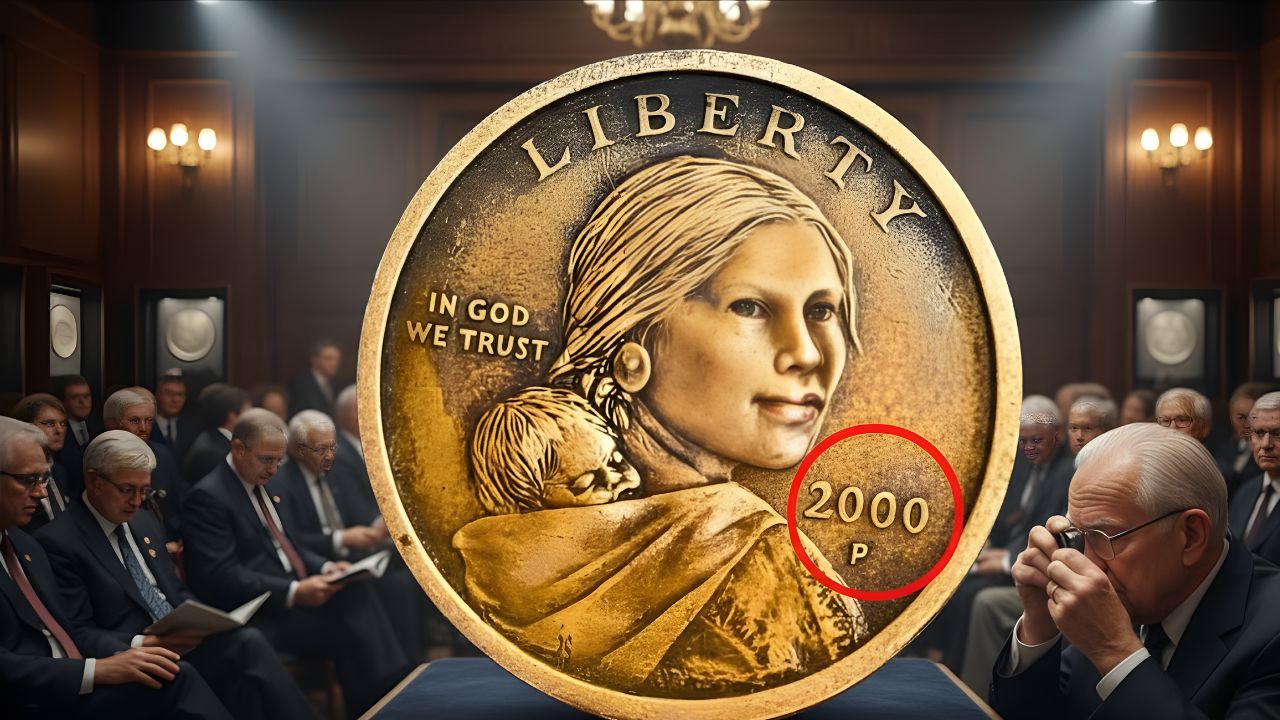
Sacagawea Dollar Coin Value Guide: The Sacagawea Dollar, first issued in the year 2000, is one of the most recognizable modern coins in U.S. history. It features Sacagawea, a Shoshone woman whose guidance helped the Lewis and Clark expedition succeed. The coin represents exploration, cooperation, and American heritage. Although it was created to replace the one-dollar bill, it never became popular in daily use, but it slowly gained strong interest among collectors.
Over the years, the Sacagawea Dollar has developed a unique reputation in the coin world. While most examples remain common, a small number of special issues, low-mintage coins, and rare errors have become highly valuable. Because of this wide range, Sacagawea Dollar values can vary greatly depending on the year, mint mark, condition, and rarity of the coin.
Why the Sacagawea Dollar Was Created
The U.S. Mint introduced the Sacagawea Dollar as part of an effort to modernize American coinage. Officials wanted a dollar coin that looked different from quarters and half dollars so people would not confuse it. To achieve this, the Mint chose a golden-colored metal alloy that made the coin stand out immediately.
The obverse design was created by sculptor Glenna Goodacre and shows Sacagawea carrying her infant son, Jean Baptiste. This image symbolizes guidance, strength, and continuity. The original reverse design features a soaring eagle surrounded by seventeen stars, representing the states that existed during the Lewis and Clark expedition.
Composition and Visual Appeal of the Coin
The Sacagawea Dollar is made from a manganese-brass alloy, which gives it its distinctive gold-like appearance. This color is not actual gold, but it helps the coin remain visually unique among U.S. coins. The smooth edges and bold imagery further separate it from earlier dollar coins.
Collectors often appreciate the coin’s artistic quality as much as its historical meaning. The realistic portrait of Sacagawea was based on a living model, which makes it one of the most authentic depictions on modern U.S. currency. This attention to detail has contributed to the coin’s long-term appeal.

Common Sacagawea Dollars and Circulation Value
Most Sacagawea Dollars produced from 2000 onward are common and were minted in large quantities at the Philadelphia and Denver mints. These coins are still easy to find and are usually worth only face value when found in circulation. Many people overlook them because they appear ordinary.
Proof versions were struck at the San Francisco Mint and sold directly to collectors. These proof coins were carefully made with polished dies and mirror-like finishes. While common proof coins are not extremely valuable, high-grade examples can sell for modest premiums among collectors.
Rare Sacagawea Dollar Varieties That Matter
Some Sacagawea Dollars stand out because of their limited release or special background. The most famous example is the 2000-P Cheerios Dollar, which was distributed through a cereal promotion. These coins were struck using an early eagle reverse design with sharper and more detailed tail feathers.
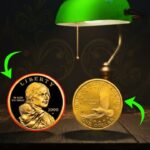
Another notable variety is the Goodacre Presentation Dollar. These coins were specially produced and given to the designer as part of her compensation. Because they were never intended for circulation, they are highly desirable today and command strong prices in the collector market.
Legendary Sacagawea Dollar Error Coins
Error coins play a major role in the Sacagawea Dollar series. The most valuable error is the 2000-P Mule, which combines a Sacagawea obverse with a Washington Quarter reverse. Only a very small number of these coins exist, making them some of the most valuable modern U.S. coins ever discovered.
Other error types include double-struck coins, off-center strikes, and planchet errors. These mistakes occur during the minting process and create coins with unusual appearances. The more dramatic and well-preserved the error, the higher the value collectors are willing to pay.
The Native American Dollar Series Explained
In 2009, the reverse design of the Sacagawea Dollar began changing each year to honor Native American contributions to U.S. history. These designs highlight achievements in agriculture, diplomacy, military service, education, and innovation. Sacagawea’s portrait on the obverse remains unchanged.
This rotating reverse system helped renew interest in the series. While most Native American Dollars remain affordable, certain proof coins, low-mintage issues, and high-grade examples have increased value. Collectors often enjoy assembling complete sets of these yearly designs.
The Importance of Professional Coin Grading
Coin grading plays a major role in determining Sacagawea Dollar values. Professional grading services evaluate a coin’s condition, strike quality, and authenticity. Coins graded Mint State 67 or higher often sell for much more than ungraded examples of the same issue.

Certification also protects collectors from misidentifying common coins as rare varieties. This is especially important for Cheerios Dollars and error coins. A certified grade gives buyers confidence and makes coins easier to sell in the future.
Sacagawea Dollar Market Trends in 2026
As of 2026, collector interest in Sacagawea Dollars remains stable and healthy. Common circulation coins remain inexpensive, making the series accessible to beginners. At the same time, rare varieties and major error coins continue to achieve strong prices at auctions.
The Cheerios Dollar, Mule Error, and Goodacre Presentation Dollar remain among the most valuable pieces in the series. Their unique stories and limited numbers support long-term demand within the numismatic community.
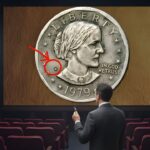
The Sacagawea Dollar offers a rare combination of history, artistry, and collectible potential. While most examples are common, a few standout coins can be extremely valuable. This balance makes the series appealing to both new collectors and experienced numismatists.
From everyday circulation pieces to legendary errors, the Sacagawea Dollar remains an important part of modern U.S. coin collecting. Careful research and proper identification are the keys to unlocking its true value.
Disclaimer
This Sacagawea Dollar Coin Value Guide is provided for informational and educational purposes only. Coin values are estimates and may change based on condition, grading, market demand, and auction results. This article should not be considered financial or investment advice. Always consult professional numismatists or certified grading services before buying or selling collectible coins.