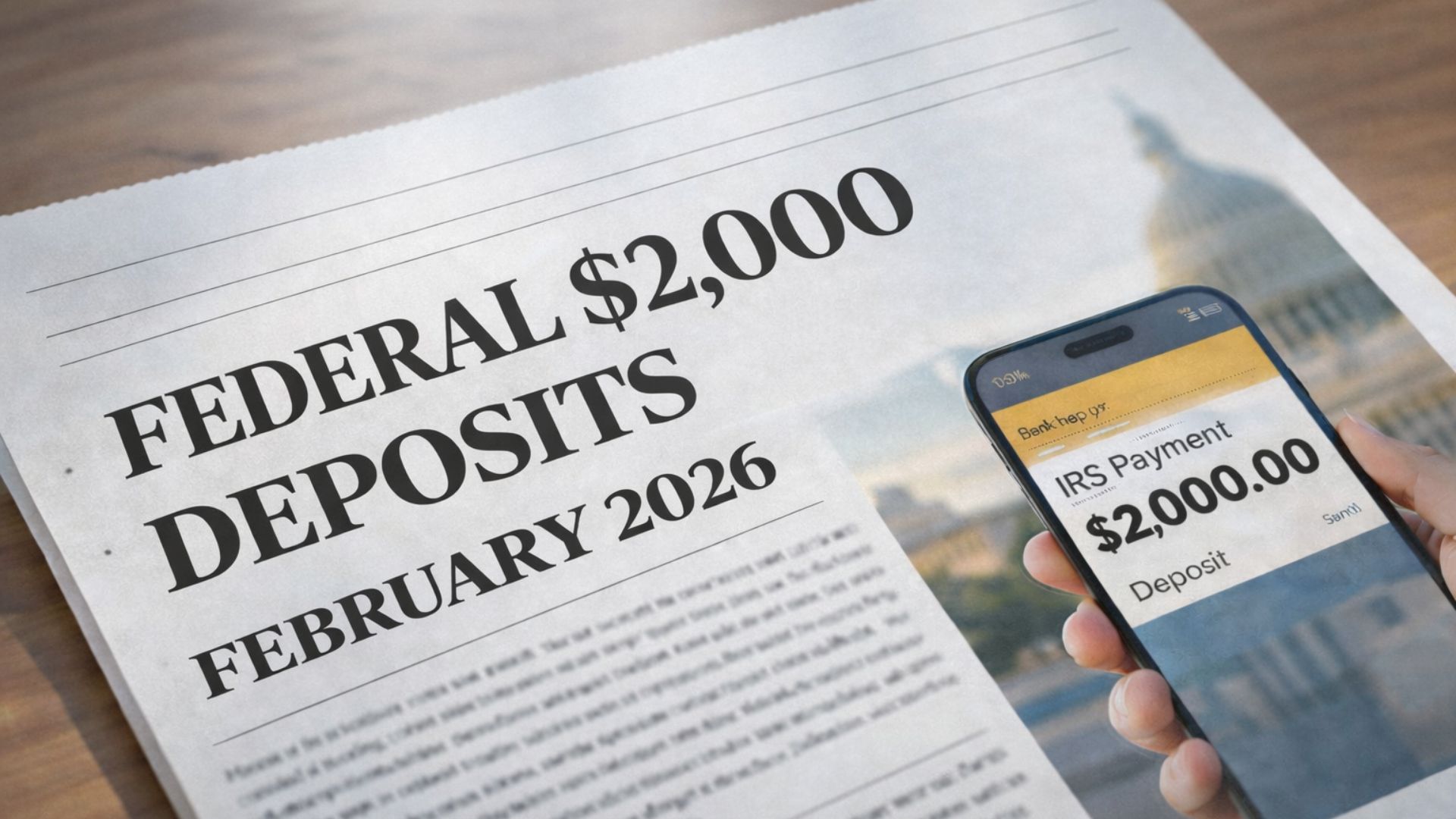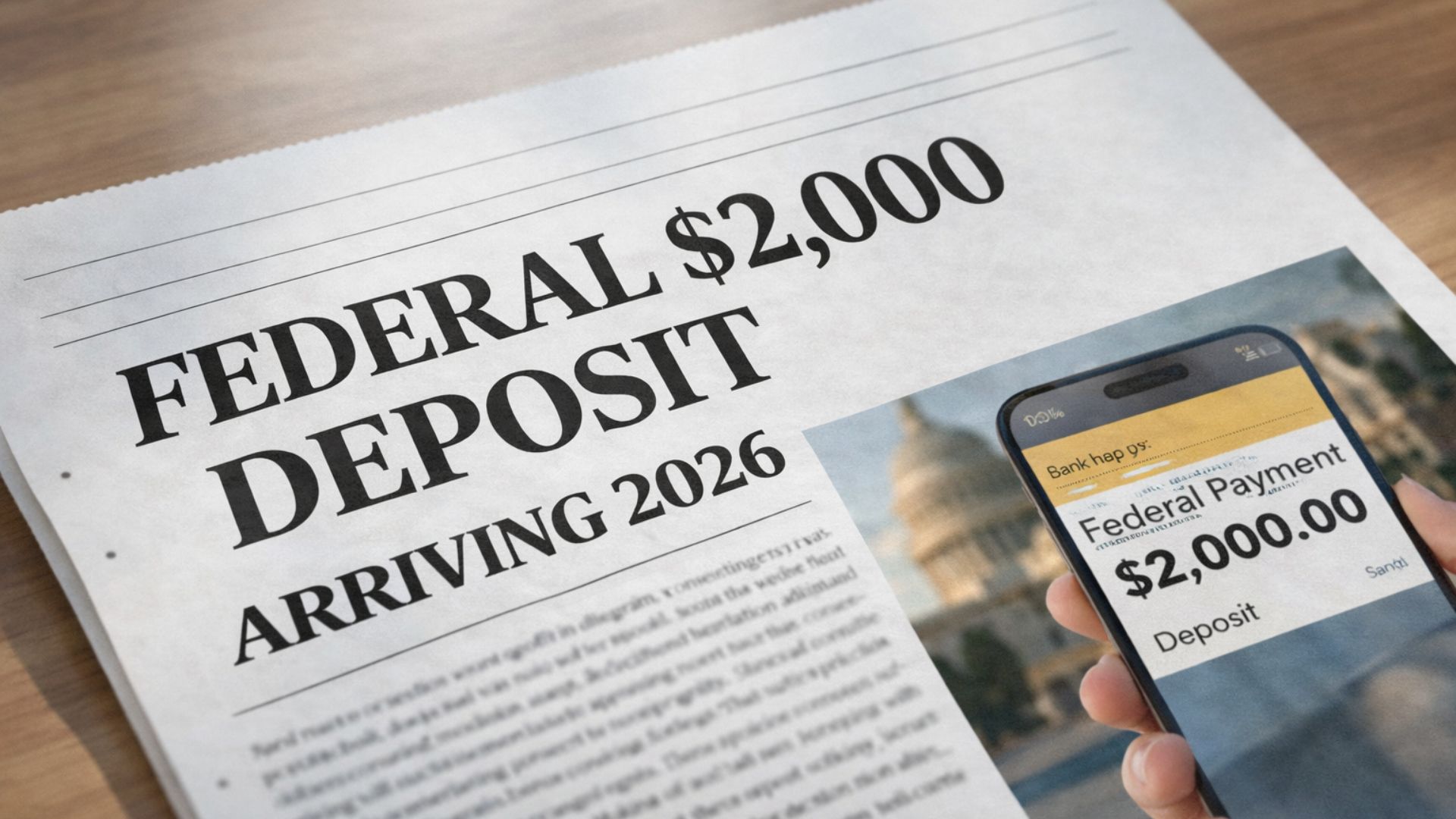
Many people are feeling confused after expecting a federal deposit of $2,000 and then seeing a smaller amount, often between $1,200 and $1,400, arrive in their bank account. This confusion is understandable, especially when online discussions, payment trackers, and social media posts suggest that everyone should receive the same figure. In reality, federal deposits and tax-related payments in 2026 are going through stricter verification processes, and the final amount can change once reviews are completed.
Why the Expected Amount Changes After Processing
In most cases, the difference is not because the payment was suddenly cut or cancelled. What usually happens is that the initial amount shown is based on an estimate. Once the system verifies personal and financial details, the payment is recalculated. Federal systems now rely more heavily on cross-checking information such as income records, household details, benefit history, and past tax filings. If anything does not fully match, the amount is adjusted to reflect what can be confirmed.
Verification Checks and Recalculated Deposits
During processing, even small differences can trigger a recalculation. A recently added or removed dependent, a name spelling difference, an address update, or a change in filing status can all affect the final number. When the system cannot immediately confirm every detail, it may approve only the verified portion of the payment. This is one of the main reasons a $2,000 expectation can turn into a deposit closer to $1,200 or $1,400.

Offsets and Withheld Amounts
Another reason for a lower deposit is the application of offsets. In some situations, part of a federal payment can be used to cover certain government-related balances that are already on record. When this happens, the remaining amount is sent to the individual, which can make the deposit look smaller than expected even though the process followed standard rules.
Partial Payments and Delayed Balances
Sometimes, the system releases a portion of the payment quickly and holds the rest for further review. This means a smaller amount arrives first, while the remaining balance depends on additional checks or documentation. Many people assume the lower deposit is final, even though another payment may still be pending.
Why This Is More Common in 2026
In early 2026, more people are noticing these changes because verification systems have become stricter. The goal is to reduce errors and prevent fraud. For individuals who recently changed jobs, moved, or updated personal information, these reviews can make payment amounts feel unpredictable.

What to Do If the Amount Is Lower Than Expected
If a federal deposit arrives and the amount is less than expected, it is best to treat it as a recalculated result rather than an outright denial. Reviewing recent life changes, checking official account notices, and relying on confirmed information instead of viral claims can help clarify the situation.
Disclaimer:
This article is for general informational purposes only and does not provide financial, tax, or legal advice. Federal payment amounts, eligibility rules, and processing timelines may vary based on individual circumstances and official policies. Readers should consult official federal agency communications or qualified professionals for guidance specific to their situation.