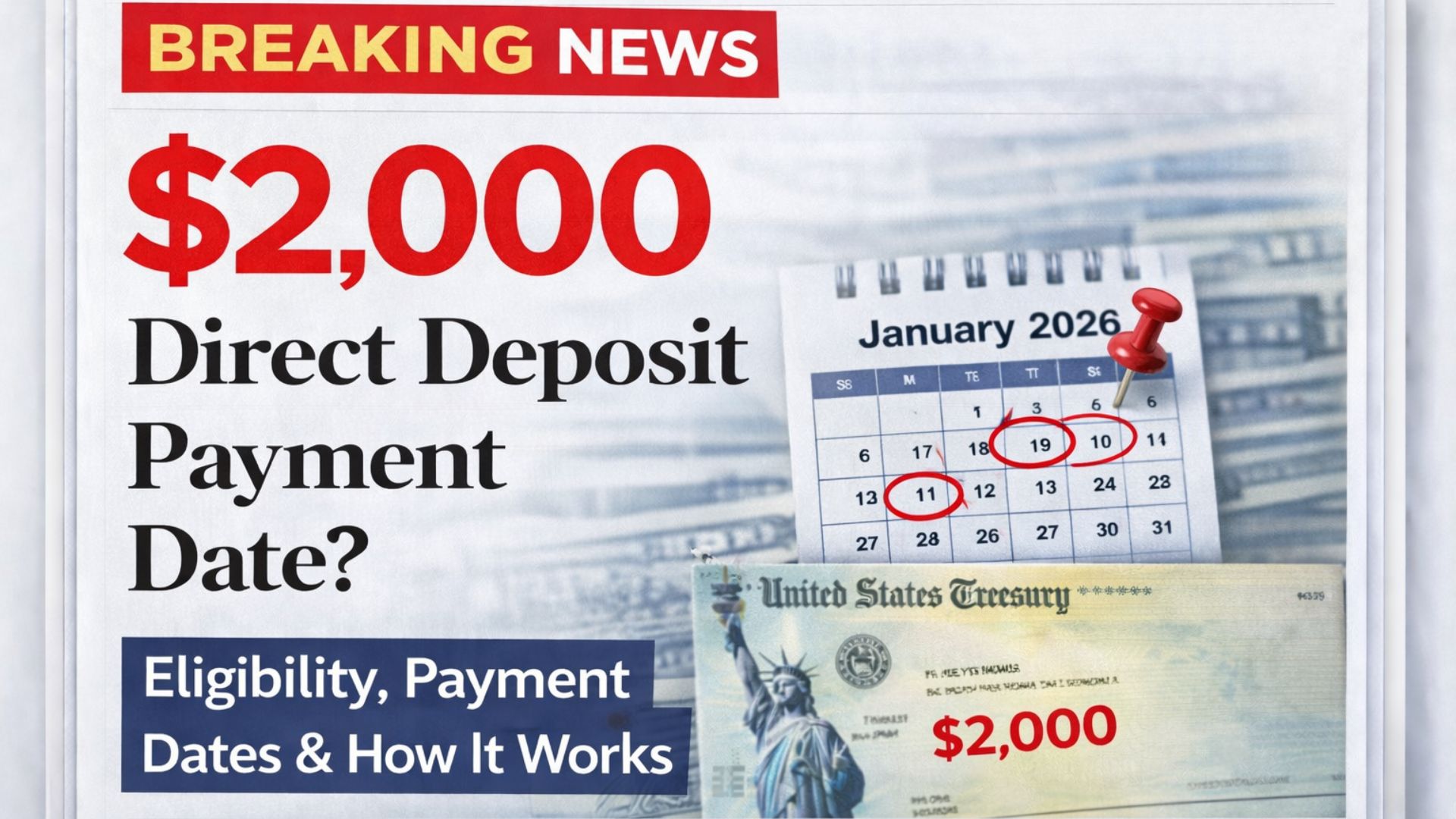
As 2026 begins, many American households are paying close attention to their finances. Rising grocery prices, higher utility bills, and post-holiday expenses have made the start of the year financially stressful for millions. In this situation, news of a one-time $2,000 IRS direct deposit scheduled for January 2026 has brought a sense of relief. This payment is designed to support low- and middle-income families by easing short-term financial pressure during the winter months.
What Is the IRS $2,000 Direct Deposit Payment
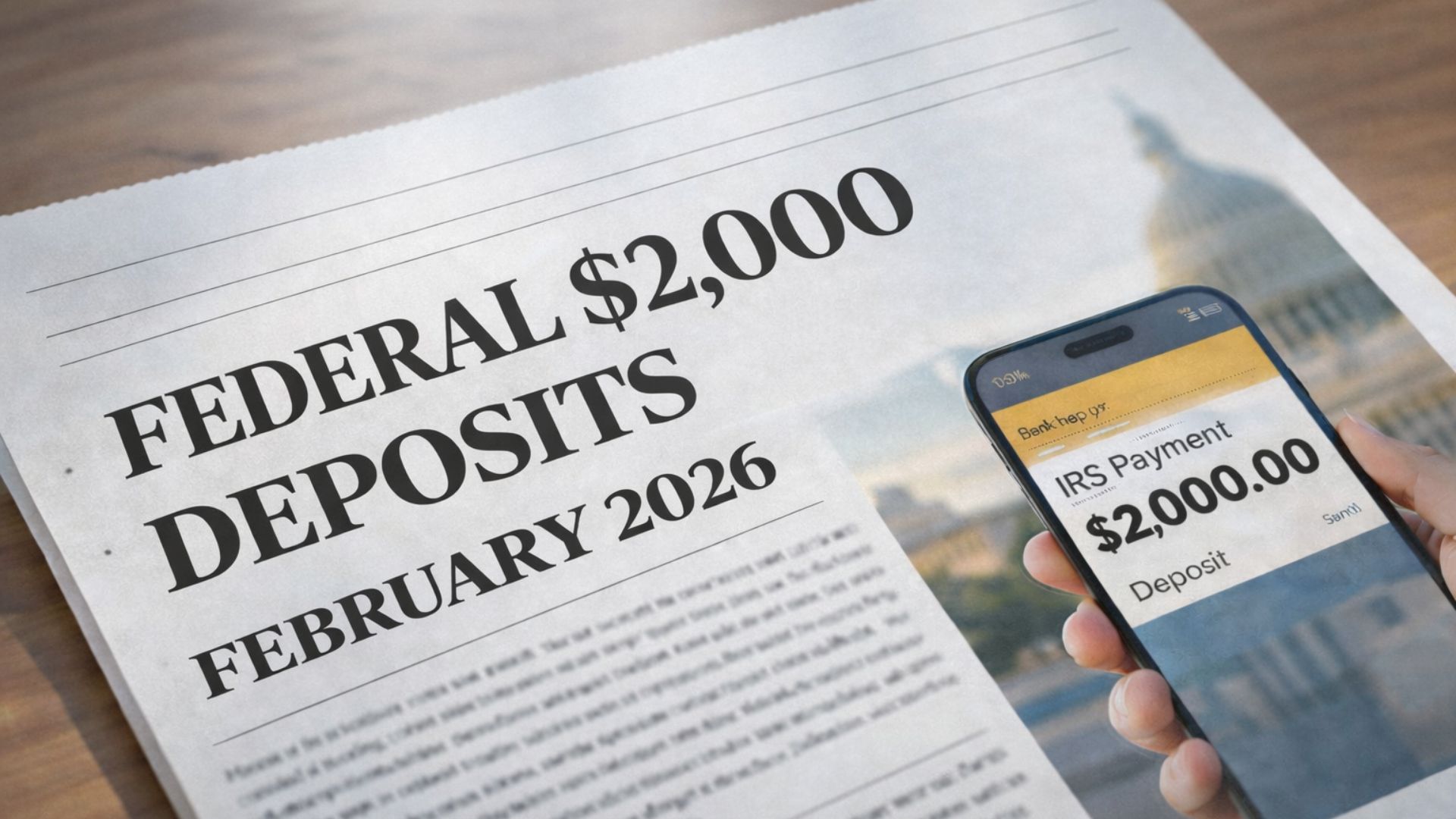
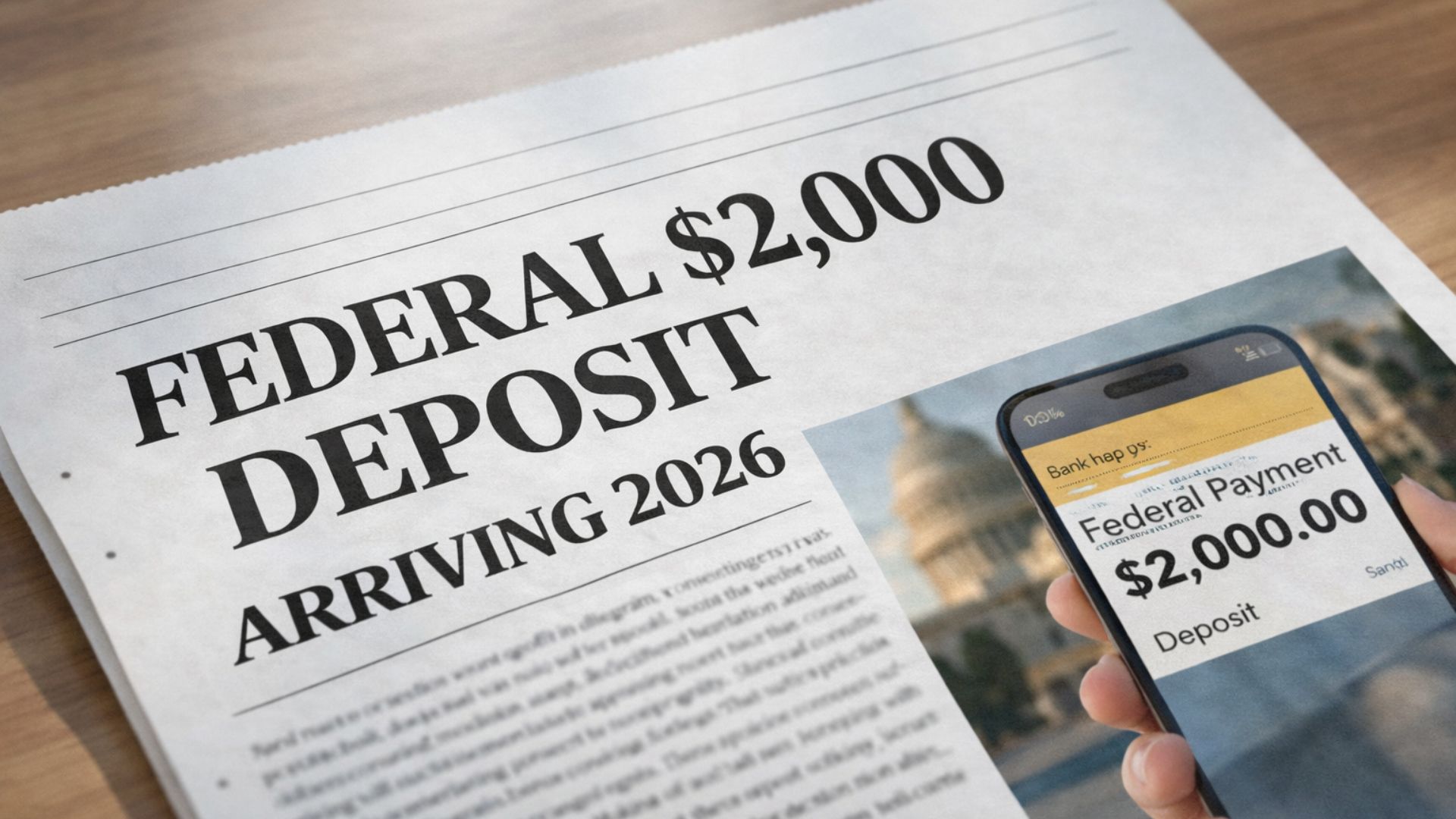
The $2,000 IRS direct deposit is a one-time financial relief payment. It is not a tax refund, loan, or benefit that needs to be repaid. The IRS plans to issue this payment using information from taxpayers’ 2024 or 2025 tax returns. The goal is to provide fast and direct assistance without requiring a separate application process. Most eligible individuals will receive the money automatically through direct deposit, while others may receive a paper check if banking details are not available.
Who Is Eligible for the $2,000 Payment
Eligibility for the payment is determined by income level, tax filing status, and residency. The IRS will review recent tax records to confirm qualification. The program is mainly aimed at individuals and families who fall within low- and middle-income ranges. Households with dependents may qualify for a higher total benefit, depending on their filing details. Because eligibility is based on existing tax data, accuracy in past filings plays a crucial role.

Payment Timeline for January 2026
The IRS has announced that payments will be distributed in phases to manage processing smoothly. Direct deposits are expected to begin around January 12, 2026. People with verified bank accounts on file will likely receive their payment first. Those who do not have direct deposit information registered with the IRS will receive a paper check later in the month. Processing times may vary slightly depending on individual bank policies and verification status.
How Banks Process the Deposit
Once the IRS sends the payment, banks handle it under standard Automated Clearing House rules. Some banks post funds on the same day, while others may take one additional business day. This means payment arrival times can differ even among eligible recipients. Minor delays are usually related to bank processing rather than IRS issues.
Steps to Avoid Delays
To ensure smooth delivery, it is important to review and update personal information with the IRS. Confirm that your bank account details, mailing address, and tax filings are accurate and current. Any recent changes in income, address, or banking information should be updated through official IRS channels as soon as possible.

Final Thoughts
The IRS $2,000 direct deposit scheduled for January 2026 is intended to provide timely financial relief during a challenging period. Understanding eligibility rules, payment timing, and preparation steps can help ensure you receive the funds without issues. Staying informed and proactive is the best way to avoid unnecessary delays and confusion.
Disclaimer:
This article is for informational purposes only and does not constitute financial, tax, or legal advice. Payment eligibility, amounts, and schedules may change based on official IRS decisions. Readers should verify details through official IRS communications or consult qualified professionals before making financial decisions.