Social Security payments are a major source of income for millions of Americans, so it is natural to feel worried when a deposit seems to arrive on a different date than expected. Many beneficiaries believe a shift in the payment date means a delay, an error, or even a change in policy. In most cases, however, these changes are completely normal and happen under long-standing rules followed by the Social Security Administration (SSA).
Why Social Security Payment Dates Sometimes Change
Social Security does not send payments randomly. Every benefit follows a fixed structure that has been in place for years. The exact date depends on the type of benefit you receive and, for retirement and disability benefits, your date of birth. Even though the system is stable, the calendar itself can cause payments to arrive earlier than usual in certain months.
Weekends and Federal Holidays Explained
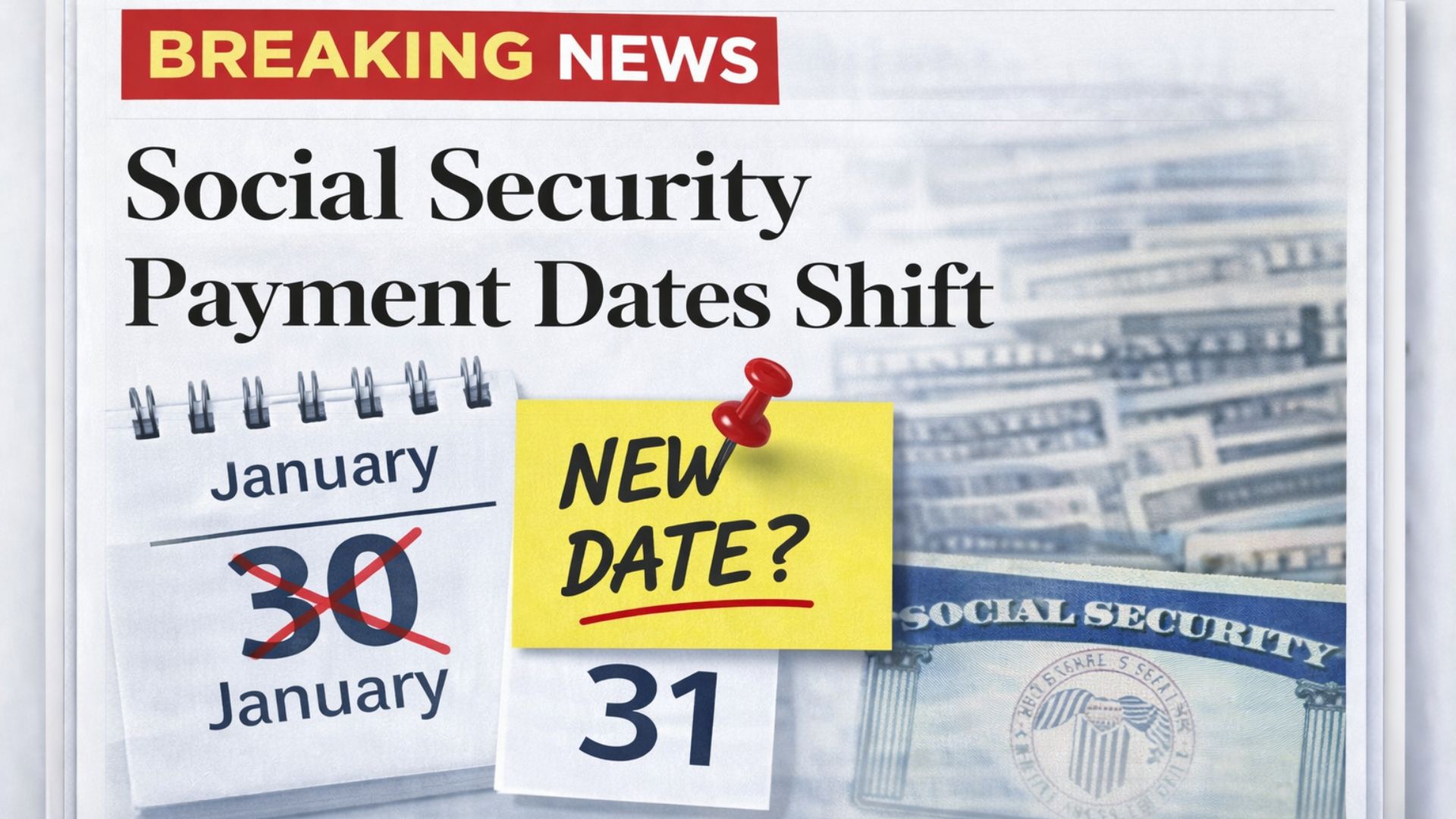
One of the most common reasons for a payment date shift is weekends or federal holidays. If your scheduled payment date falls on a Saturday, Sunday, or federal holiday, the SSA sends the payment on the previous business day. This early deposit often confuses people, making it seem like the schedule has changed, when in reality it is following standard procedure.

Different Rules for SSI and Retirement Benefits
Not all Social Security benefits are paid on the same schedule. Supplemental Security Income, or SSI, is usually paid on the first day of each month. Retirement, survivor, and disability benefits are typically paid on Wednesdays, based on the beneficiary’s birth date. If someone switches from one type of benefit to another, the payment date may appear different for a short period, even though nothing is wrong.
The Role of Banks in Payment Timing
Another factor that affects when you see your money is your bank. The SSA may release funds on the same day every month, but banks do not always post deposits at the same time. Some banks credit accounts early in the morning, while others may post later in the day or even the next business day. This difference can make payment timing seem inconsistent.
New Beneficiaries and Recent Changes
People who recently started receiving Social Security or had a benefit adjustment may notice a one-time timing difference. This usually happens while records are being updated and does not affect future payments. Once the system is fully updated, payments return to the normal schedule.

When to Worry and When Not To
A shifted payment date does not mean your benefits were reduced or stopped. There is no penalty involved, and no new rule is being applied. The SSA advises beneficiaries to check the official annual payment calendar and wait at least one full business day after the adjusted date before reporting a missing payment.
Final Understanding
Social Security payment date shifts are part of the normal system and are usually caused by holidays, weekends, benefit type, or bank processing. Knowing how the schedule works can prevent unnecessary stress and help you track your benefits with confidence.
Disclaimer:
This article is for informational purposes only and does not constitute financial or legal advice. Social Security payment schedules are governed by federal law and official SSA procedures. For personal guidance, beneficiaries should consult the Social Security Administration directly.