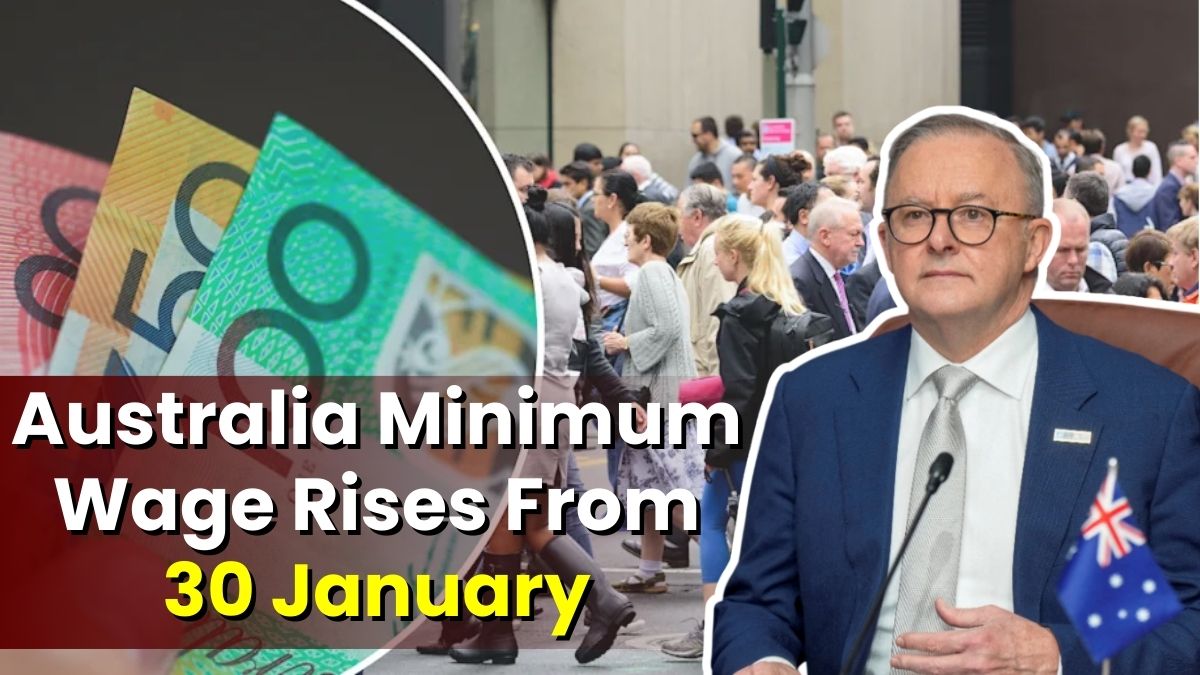
Australia Minimum Wage Rises – For millions of Australians, the minimum wage is more than just a headline figure decided in a boardroom. It’s the money that keeps the lights on, covers weekly groceries, and makes sure rent doesn’t fall behind. From 30 January 2026, a new minimum wage increase comes into effect across Australia, giving low-income workers a pay rise at a time when everyday costs are still squeezing household budgets.
After years of sharp price rises for housing, energy, food, and transport, even a modest wage increase can make a real difference. For some workers, the change brings much-needed breathing space. For others, it’s a sign that wages are slowly starting to catch up with the cost of living, even if the gap hasn’t fully closed yet.
Why the 2026 Minimum Wage Increase Matters
The 2026 minimum wage update arrives after ongoing pressure from workers, unions, and economists who have warned that stagnant wages leave people vulnerable during periods of high inflation. While inflation has eased compared to earlier peaks, essential costs remain stubbornly high, especially for renters and families.
यह भी पढ़े:
 Extra Cash for Young Australians: Youth Allowance Increase of $1,011.50 + $16.20 from Jan 2026
For younger workers, casual employees, and those in retail, hospitality, cleaning, and care roles, minimum wage changes often determine whether they can save anything at all. Melbourne retail worker Jasmine Lee, 24, says the increase may not sound dramatic, but it helps keep her budget balanced. When prices rise faster than pay, even a small boost can stop people from falling behind.
What’s Changing From 30 January 2026
From 30 January 2026, the updated national minimum wage applies automatically across Australia. The increase covers full-time, part-time, and casual workers, with casual employees continuing to receive the standard casual loading on top of the base rate. The change is national, meaning it applies in every state and territory, regardless of local governments.
Authorities have also signalled that wage compliance checks will be stricter in 2026. Underpayment remains illegal, even if the shortfall seems minor. Workers are encouraged to review their payslips from late January onwards to ensure the new rate is correctly applied.

Who Decides the Minimum Wage in Australia
Unlike some countries, Australia does not allow states to set their own minimum wage levels. Instead, the Fair Work Commission, an independent national body, reviews wages each year and sets the minimum wage based on economic conditions, inflation, employment data, and living standards.
This means the base minimum wage is the same whether someone works in Sydney, Perth, Hobart, or Darwin. However, how far that wage stretches in daily life can look very different depending on where someone lives.
How the Increase Feels Different State by State
Although the minimum wage rate itself is national, its real-world impact varies widely across Australia. Housing costs, transport expenses, food prices, and access to services all shape how much benefit workers actually feel from the increase.
यह भी पढ़े:
 Centrelink Confirms a $1178 Annual Pension Boost for Age Pensioners Starting 25 January 2026
In New South Wales and Victoria, particularly in Sydney and Melbourne, workers say the wage rise is welcome but often disappears quickly into rent payments. Hospitality and retail workers in inner-city areas report that while the increase helps, it doesn’t significantly change their financial position once housing costs are covered.
Queensland workers, especially those outside Brisbane, tend to feel the benefit more clearly. In regional towns, where rent and commuting costs are lower, the higher wage stretches further. Younger workers and casual employees often report noticeable improvements in weekly budgeting.
In Western Australia, higher fuel prices and longer commute distances mean the wage increase helps offset transport costs. This is especially true in mining regions and outer suburban areas where travel is unavoidable and public transport options are limited.
South Australia and Tasmania often show some of the clearest gains. Lower average rents and smaller city living costs mean minimum-wage earners can feel the impact more directly. Workers in these states say the increase helps with essentials like utilities, groceries, and unexpected bills.
The Australian Capital Territory remains one of the most expensive places to live. Despite higher average wages overall, minimum-wage workers still struggle with high housing costs. The increase offers relief, but affordability pressures remain strong.
In the Northern Territory, higher wages are seen as essential rather than optional. Remote communities face elevated food and transport prices, and workers say wage increases are critical just to maintain basic living standards.

Real Stories Behind the Pay Rise
Behind every policy decision are real people adjusting their weekly budgets. In Hobart, warehouse assistant Liam O’Connor, 29, says the January increase won’t transform his lifestyle, but it helps him stay on track financially. Not falling behind on bills, he says, is a big win.
In Brisbane, café worker and single mother Priya Nair says the extra income helps cover childcare gaps and unexpected expenses. For families already budgeting tightly, every additional dollar finds a purpose almost immediately.
These stories highlight why minimum wage decisions attract so much attention. They shape everyday life for millions of Australians who don’t have the flexibility of high salaries or large savings.

Government and Employer Views on the Increase
Government officials say the 2026 minimum wage rise reflects a careful balance between protecting workers and ensuring businesses remain viable. The goal, they say, is to support living standards without triggering job losses or excessive pressure on small employers.
Employer groups have expressed concerns that higher wages increase operating costs, particularly for small businesses in hospitality, retail, and tourism. Some warn that rising wages may lead to reduced hours or higher prices.
Worker advocates argue that paying people enough to live with dignity should not be optional. They point out that minimum-wage workers are the most exposed to inflation because they spend most of their income on essentials, leaving little room to absorb price shocks.

Expert Insight on Wages and Living Costs
Labour economists generally agree that the 2026 increase helps stabilise household finances for low-income earners. However, they caution that wage growth alone cannot fix broader affordability issues.
Housing supply, energy pricing, childcare costs, and transport infrastructure all play major roles in cost-of-living pressures. Without action in these areas, wage increases risk being swallowed up by rising expenses.
Still, experts say regular wage adjustments are essential to prevent working poverty and ensure that having a job actually provides financial security.
What Workers Should Keep in Mind
For most employees, the wage increase is automatic and does not require any action. Casual loadings still apply, and many enterprise agreements already pay above the minimum wage. Award wages can differ depending on the industry, and some workers may see larger increases through award adjustments.
Checking payslips after 30 January 2026 is important to confirm the correct rate is being paid. Workers who suspect underpayment are encouraged to seek advice or lodge a complaint, as even small shortfalls are taken seriously under Australian workplace law.
Final Thoughts
The Australia minimum wage increase from 30 January 2026 may not solve every cost-of-living challenge, but it provides meaningful support for millions of workers. For some, it means less stress at the checkout. For others, it’s the difference between keeping up and falling behind. While debates around wages and business costs will continue, the real impact is felt week by week in Australian households across every state and territory.

Disclaimer
This article is for general information purposes only and does not constitute financial, legal, or employment advice. Minimum wage rates, award conditions, and workplace laws may vary depending on individual circumstances and industry agreements. Readers are advised to check official Fair Work Commission announcements or seek professional advice to confirm how the 2026 minimum wage changes apply to their specific situation.