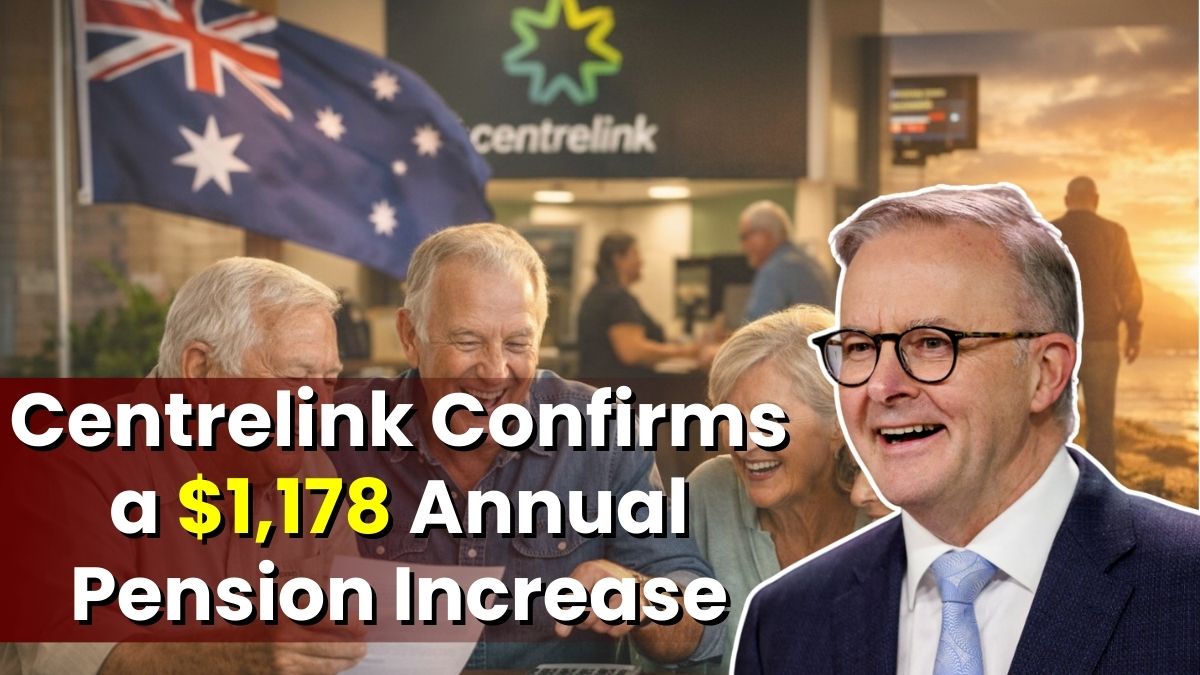
Centrelink Confirms a $1178 Annual Pension – For many older Australians, managing money in retirement has become an ongoing balancing act. Even those who planned carefully have felt the squeeze as grocery prices rise, power bills jump, rent climbs, and medical costs creep higher year after year. Stretching each fortnightly pension payment has been a quiet but constant source of stress. From 25 January 2026, that pressure is expected to ease slightly, with Centrelink confirming an annual Age Pension increase of $1,178 for eligible recipients.
While it won’t suddenly change lifestyles, this increase represents a meaningful shift for pensioners who’ve felt their payments struggling to keep pace with everyday living costs. For millions of Australians relying on the Age Pension, even modest increases can make a noticeable difference over time.
Seventy-one-year-old Brisbane pensioner Elaine Cooper summed it up simply when she said every extra dollar matters. She explained that the increase won’t make anyone rich, but it does mean fewer sleepless nights worrying about bills, especially during months when expenses pile up unexpectedly.
यह भी पढ़े:
 Extra Cash for Young Australians: Youth Allowance Increase of $1,011.50 + $16.20 from Jan 2026
What’s changing with the Age Pension in January 2026
The confirmed increase forms part of Centrelink’s regular pension indexation process, which adjusts payments to reflect inflation and broader cost-of-living pressures. From 25 January 2026, eligible Age Pension recipients will see their payments rise automatically, without needing to submit forms or lodge new claims.
The $1,178 figure represents the total annual increase, which will be spread across regular fortnightly payments. For most single pensioners, this works out to roughly an extra $45 per fortnight before tax considerations. Couples will see the increase applied to their combined household payment.
Importantly, the adjustment applies to both full and part pensioners, provided they continue to meet income, assets, and residency requirements. The aim is to help older Australians maintain their purchasing power as prices continue to rise across essential areas of daily life.

Who benefits from the confirmed pension increase
The January 2026 increase applies to Australians receiving the Age Pension through Centrelink. This includes single pensioners, pensioner couples, and those receiving a part payment due to income or asset levels. As long as eligibility rules are met, the increase is applied automatically.
There is no application process involved, which means pensioners don’t need to contact Centrelink unless their personal circumstances have changed. This automatic adjustment helps ensure people receive the correct rate without additional paperwork or delays.
What the $1,178 increase really means for everyday life
On paper, $1,178 a year might not sound dramatic. In real life, however, many pensioners say it adds up when applied consistently across regular expenses. Extra money in each fortnightly payment can help cover grocery bills, rising electricity and gas costs, prescription medicines, transport expenses, or rent and home maintenance.

Retirement income advisers often point out that pensioners spend a higher proportion of their income on essentials compared to working Australians. That makes them particularly vulnerable to price rises. While the increase isn’t a windfall, it does reduce financial stress for those living close to the line.
Real stories behind the policy decision
For pensioners across the country, the increase feels timely. In regional Victoria, 74-year-old retired factory worker Tom Wilson says his power bills have nearly doubled over the past few years. He explained that the January rise means he won’t have to choose between heating the house and buying groceries during winter.
Sydney pensioner Lila Fernandes, who lives alone in a rental unit, shares a similar experience. She says rent has continued to rise while pension increases haven’t always kept pace. Knowing that payments are going up again gives her some breathing room and a bit more confidence when budgeting for the year ahead.

Stories like these highlight why even relatively small increases can feel significant for people living on fixed incomes.
What the government says about the 2026 increase
Government officials say the January 2026 increase reflects an ongoing commitment to protecting pensioners from cost-of-living pressures. A spokesperson explained that Age Pension rates are reviewed regularly to ensure payments keep pace with inflation and wage movements, helping retirees maintain a basic but dignified standard of living.
Officials also emphasised that indexation remains a core feature of Australia’s pension system. While future increases depend on economic conditions, the framework is designed to respond to changes in living costs over time.

Expert insights on retirement income pressures
Retirement income experts note that the Age Pension remains a crucial safety net, but it is not designed to fully replace income earned during working life. Most retirees rely on a mix of pension payments, superannuation, and government concessions to stay financially stable.
Experts say the $1,178 increase helps offset recent inflation, particularly in areas like energy and healthcare. However, they caution that rising housing costs continue to be a major pressure point, especially for renters. The increase provides relief, but long-term financial security still depends on broader policy settings and individual circumstances.
Before and after the January 2026 pension change
Before the January adjustment, pensioners were receiving lower annual rates that many felt no longer reflected real-world expenses. From 25 January 2026, single pensioners will see an additional $1,178 added to their annual payment, while couples receive a higher combined amount. Part pensioners will also benefit through adjusted rates based on their assessed income and assets.

Exact payment amounts will vary depending on individual circumstances, but the overall direction is clear: payments are rising to better reflect today’s cost of living.
Important things pensioners should keep in mind
While no application is required for the increase, income and assets rules still apply. Pension payments will continue to be made fortnightly, with the higher rate spread evenly across the year. Tax treatment of the Age Pension remains unchanged, and existing benefits such as the Pensioner Concession Card are not affected by the increase.
Pensioners are encouraged to keep Centrelink informed about any changes to income, assets, relationship status, or living arrangements. Doing so helps ensure payments are calculated correctly and avoids potential overpayments or missed entitlements.

Why some pensioners don’t receive the full increase
Some pensioners may not receive the full benefit of the increase due to income exceeding the free area, assets above threshold limits, or changes in personal circumstances that haven’t been reported. Relationship changes and outdated Centrelink records can also affect payment levels.
Regularly reviewing personal details with Centrelink can help ensure the correct rate is paid and that pensioners receive every dollar they’re entitled to.
What pensioners can do now to prepare
With the January 2026 increase confirmed, pensioners may find it helpful to review their household budgets and factor in the higher payments. Checking Centrelink details for accuracy and seeking financial advice when income or assets change can also make a difference.
यह भी पढ़े:
 Australia Minimum Wage Rises From 30 January 2026: What Workers in Every State Need to Know
Taking small, practical steps now can help maximise the benefit of the increase and provide a bit more peace of mind heading into 2026.
Disclaimer
This article is for general information purposes only and is based on publicly available details about Age Pension indexation as of early 2026. It does not constitute financial, legal, or Centrelink advice. Payment amounts, eligibility, and entitlements can vary depending on individual circumstances, income, assets, and residency status. Readers should contact Centrelink or a qualified financial adviser for advice specific to their situation and to confirm current payment rates.