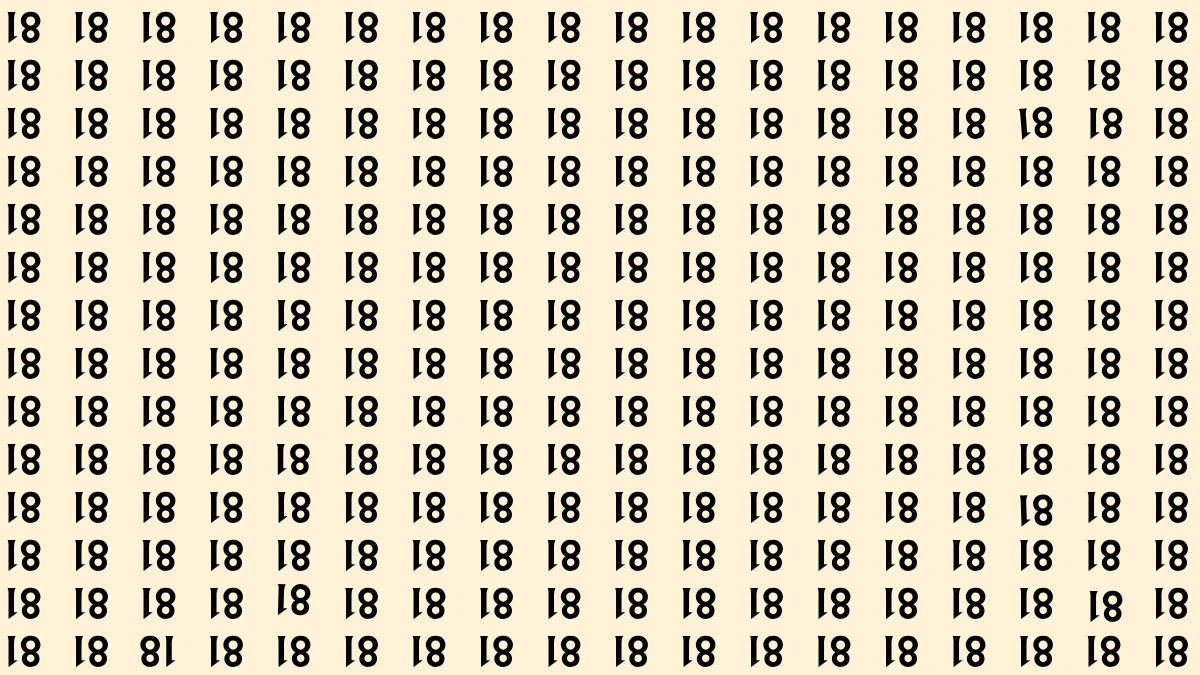
Optical illusions have always captured human curiosity because they challenge how our brain understands what our eyes see. At first glance, everything in an image may appear normal, but with closer attention, hidden details often reveal something unexpected. These illusions work by confusing the brain’s natural habit of recognising familiar patterns quickly. That is why they feel both frustrating and exciting at the same time. They push us to slow down, observe carefully, and question our first impressions.
Why Optical Illusions Are So Fascinating
The human brain is designed to make fast decisions using patterns, symmetry, and repetition. Optical illusions take advantage of this shortcut. When similar objects are repeated many times, the brain assumes they are all the same and stops checking carefully. This is exactly why illusions are so effective. They force the brain to work harder than usual, breaking automatic visual habits and sharpening awareness. Many people enjoy optical illusions because they offer a small mental challenge without feeling overwhelming.
The Inverted 18 Among 81s Challenge Explained
In this visual puzzle, you are asked to find an inverted number 18 hidden among many identical-looking 81s. At first glance, every number looks the same because the brain reads them as a repeated pattern. The trick lies in spotting the one number that breaks the pattern by being flipped upside down. This challenge becomes harder when you are given only eight seconds, as the time pressure increases stress and reduces careful scanning. Success depends on staying calm and letting your eyes search rather than trying to force the answer.

How to Improve Your Observation Skills
Optical illusion challenges like this one help improve focus, patience, and visual attention. Over time, practicing these puzzles trains the brain to slow down and notice small differences. Instead of scanning the entire image at once, successful solvers often let their eyes move naturally and look for anything that feels slightly out of place. With regular practice, spotting hidden details becomes faster and easier.
Why These Puzzles Are Good for Your Brain
Beyond entertainment, optical illusions are a form of mental exercise. They stimulate areas of the brain responsible for problem-solving, attention, and visual processing. Engaging with such puzzles can improve concentration and help keep the mind active. For people of all ages, these challenges provide a fun way to stay mentally sharp while enjoying the satisfaction of solving something tricky.
The Fun of Trying, Even If You Don’t Win
Not spotting the inverted 18 within eight seconds does not mean failure. The real value lies in the effort and focus involved. Each attempt strengthens your observation skills and prepares your brain for the next challenge. With time, puzzles that once seemed difficult become much easier.

Disclaimer
This article is for general informational and entertainment purposes only. Optical illusion challenges are not a test of intelligence or vision ability. Individual results may vary based on focus, experience, and visual perception.