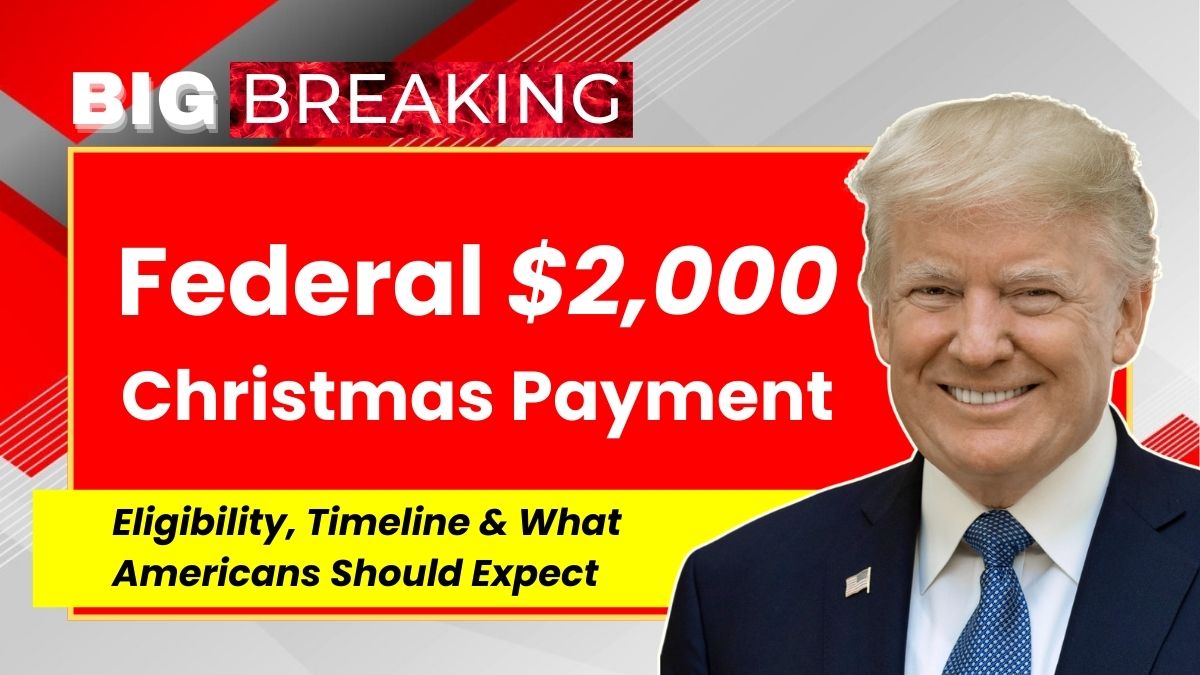
With holiday bills, heating costs, and everyday expenses piling up, many Americans are wondering whether a fresh $2,000 stimulus check could arrive just in time for Christmas 2025. The buzz centers on a proposal called the Tariff Dividend Plan, which aims to use tariff revenue from imported goods to fund direct cash payments for eligible households. It sounds promising — but the plan is still under negotiation, and key details remain uncertain. In this article, we unpack what’s being proposed, who might qualify if it becomes law, and what to watch out for as things unfold.
Understanding the Tariff Dividend Plan: What Is It?
The basic idea behind the Tariff Dividend Plan is that instead of keeping all revenue collected from import tariffs, the government would redirect a portion back to citizens as cash payments. Proponents argue this is smarter than generating more debt — it uses money already collected to provide relief to working and middle-income families. If implemented, eligible households could receive $2,000 in a one-time payment, funded by these tariff revenues rather than deficit spending.
This concept builds on prior economic relief efforts in the U.S., but with a different funding source. The plan appeals to people tired of rising living costs, as it promises direct aid without increasing borrowing. However, success depends on stable trade flows, sufficient tariff collection, and political approval — conditions that many economists caution could be unpredictable.
यह भी पढ़े:
 Federal $2,000 December 2025 Payments: Eligibility Criteria, Beneficiary Rules & Key Information
Why a $2,000 Payment Could Matter in 2026
If enacted, a $2,000 payment could provide significant relief to many families facing increased expenses. Between inflation, rising housing costs, and holiday expenditures, a cash injection like this could help cover groceries, utility bills, or debt payments. For households earning under certain income thresholds, the payment may act as a cushion against unexpected costs.
Beyond immediate help, the payment could boost consumer spending: more demand for goods and services might spur local economic activity and even seasonal hiring. Politically, the plan may offer a message of direct support at a time when many voters are under financial pressure — which could influence broader economic and policy debates leading into 2026.
Who Might Qualify — And What You Should Know Before Getting Excited
From what’s being discussed publicly, eligibility for this proposed payment would likely target moderate-income households. Initial guidelines suggest those earning less than around $100,000 per year could qualify. The payment might be processed automatically once you file your 2025 tax return.
यह भी पढ़े:
 $3,600 VA Stimulus Check 2025: What Veterans Need to Know About the Proposed Relief Boost
To increase your chances of receiving it: Make sure your tax filings are up to date and accurate, including your income reporting and bank details. If you qualify under the income criteria, staying compliant will make the distribution process smoother. But it’s important to remember: the plan is not yet law, and criteria may change.
Economic Upside — And Why Some Experts Are Skeptical
On paper, funding a relief payment via tariffs offers advantages: no additional debt, and direct support to those who need it. It could help households manage expenses, stimulate economic activity, and reduce inequality — all without increasing deficit burdens. Supporters argue that by linking trade revenues to direct relief, the plan aligns economic policy with social support.
But there are risks. Tariff revenue can fluctuate with trade volume and global conditions. A slowdown in imports or trade disputes could hurt revenue — which may make funding consistent $2,000 payments difficult. Additionally, political negotiation could delay or modify the plan. Critics warn that heavy reliance on tariffs is unpredictable, making long-term planning challenging for recipients.

How the Tariff-Funded Stimulus Differs from Past Relief Checks
Previous U.S. stimulus payments, such as during the COVID-19 era, were funded by government borrowing and passed as part of broad economic relief legislation. In contrast, the Tariff Dividend would use revenue the government already collects — reducing borrowing while offering support. That’s a significant shift in approach: rather than adding to national debt, the idea is to redistribute collected funds.
If it goes ahead, this plan could represent a new model of economic support: one tied to trade and revenue, not deficit spending. For taxpayers, that may mean fewer worries about long-term debt impacts. But its success depends heavily on trade stability, and even supporters admit that income caps and changing economic conditions could limit how many benefit.
What to Watch For As the Plan Moves Forward
For now, nothing is finalized. Key indicators to monitor include official announcements from federal agencies, congressional approval, and statements from the Internal Revenue Service (IRS) or the U.S. Department of the Treasury. If the law passes, expect detailed guidance — including eligibility thresholds, payment timing, and delivery method (bank deposit, check, or direct deposit).

It’s wise to stay ready: keep your tax filings current, ensure bank and address records are updated, and avoid allowing misinformation or clickbait to cause undue hope. Be alert for scams posing as “payment portals” or “pre-claim” forms. Legitimate government relief will always go through official channels — never through shady links or unsolicited requests.
What Happens If It’s Delayed or Doesn’t Pass
If the plan doesn’t get approved, those expecting a $2,000 payment may be disappointed. Because tariff revenues can vary, lawmakers might delay the payment or reduce the amount. Income caps may get stricter, or the payment may be broken into smaller installments. There’s even a chance the plan could be shelved entirely.
That’s why it’s important to approach this as a possible benefit, not a guaranteed windfall. Until the final legislation passes and payment details are confirmed, you should treat any news as provisional and plan your finances accordingly.
यह भी पढ़े:
 $2,000 Federal Stimulus Check Coming in December 2025: Check Eligibility Rules & Payment Dates
Final Thoughts: Why It’s Worth Watching — But Not Banking On
The Tariff Dividend Plan represents an interesting alternative to traditional stimulus models. A $2,000 holiday payment funded by trade revenues could help many households struggling with rising expenses — and if successful, might reshape how government support works. But at this point, it remains a proposal, with many moving parts and variables.
If you want to stay prepared, keep your finances in order, stay alert for official updates, and stay skeptical of anything claiming “instant approval.” If it happens, the financial boost could be real. If not, no harm in being ready — and no risk in being cautious.
Disclaimer

This article is based on publicly discussed proposals for a Tariff Dividend–funded stimulus payment as of December 2025. It does not guarantee the payment will occur. Details such as eligibility, income thresholds, funding, and timing are subject to change until the plan is officially approved by Congress and announced by federal agencies. The content here is for informational purposes only and should not be taken as legal, tax, or financial advice. Always refer to official government sources for confirmed updates.