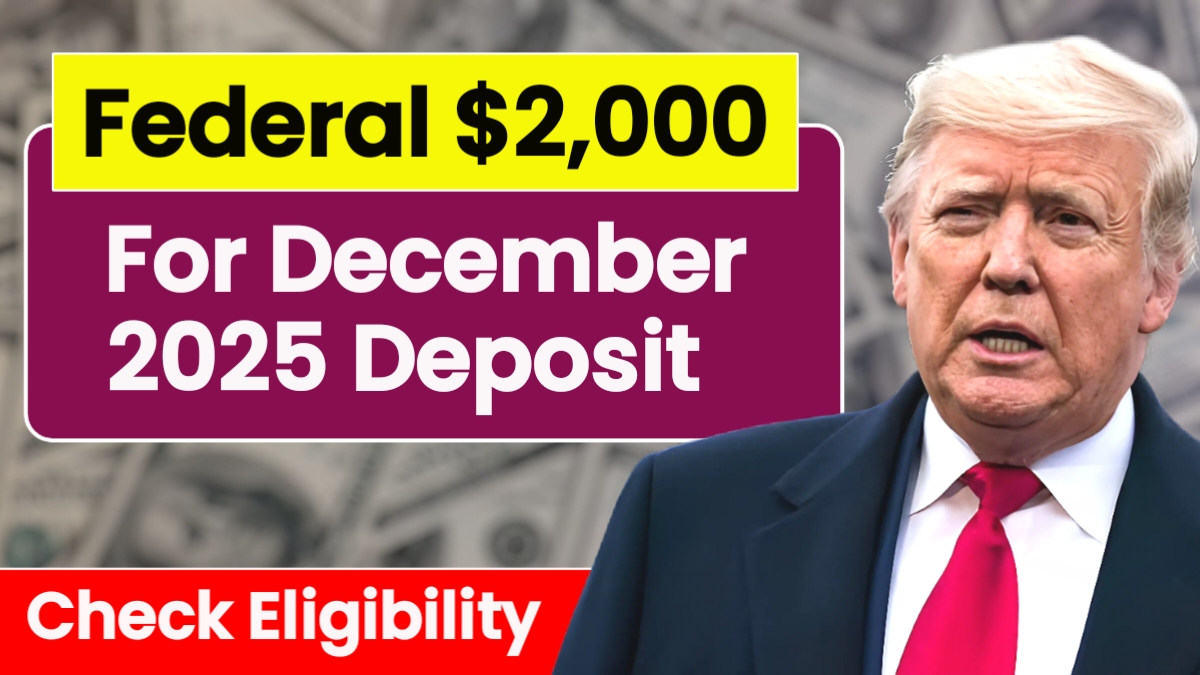
Federal $2,000 December 2025 Deposit: As December 2025 gets closer, talk around a possible federal $2,000 direct deposit has again started trending across social media, messaging apps, and online forums. Many Americans are struggling with higher living costs during the holiday season, including groceries, rent, utilities, and travel expenses. In such a situation, news of a $2,000 federal payment naturally attracts attention and hope.
Several posts and videos claim that the government has quietly approved a one-time federal $2,000 deposit, supposedly to be sent automatically to eligible citizens. Some messages say the IRS is preparing payments, while others suggest seniors, low-income families, or benefit recipients will receive the money without any application. However, when such claims spread rapidly, it becomes important to check what is real and what is not.
This article explains the current status of the federal $2,000 December 2025 deposit claim, what official sources say, why such rumors keep appearing, and how readers can protect themselves from misinformation. The focus is on verified facts, clarity, and helping people make informed financial decisions.

Understanding the Federal $2,000 Deposit Claim
The federal $2,000 direct deposit claim suggests that the government plans to issue a one-time payment to help Americans manage rising expenses during the holiday season. These claims often mention automatic deposits, no application requirements, and quick delivery through direct deposit.
However, when reviewing official federal records and recent announcements, there is no evidence supporting this narrative. At present, the claim remains speculative. Without legislation or formal guidance, the idea of a confirmed federal $2,000 deposit for December 2025 is not supported by facts.
Why These Federal Payment Rumors Keep Returning
One major reason behind these rumors is the memory of past stimulus payments issued between 2020 and 2021. During that period, millions of Americans received relief payments quickly and with limited paperwork. Because of that experience, similar claims today feel familiar and believable.

Another factor is political discussion. Policymakers sometimes talk about tax relief, rebates, or economic support. These discussions are often misinterpreted online as confirmed plans. Content creators may exaggerate or oversimplify proposals, turning ideas into “approved” payments in viral posts.
Routine IRS Deposits Causing Confusion
The IRS sends payments throughout the year for various reasons. These include tax refunds, amended return corrections, and adjustments related to refundable tax credits. Sometimes, these deposits arrive unexpectedly, especially if returns are processed late.
When people receive such deposits, they may assume it is part of a new stimulus or special relief program. Online posts then label these routine transactions as a federal $2,000 direct deposit, even though they are unrelated to any new federal assistance.

Federal Payments That May Still Arrive in December 2025
Although there is no confirmed $2,000 stimulus-style payment, some Americans may still receive legitimate federal payments in December 2025. These include IRS refunds from recently filed tax returns or corrections from earlier filings.
In addition, regular federal benefit payments will continue as scheduled. Social Security, SSI, SSDI, Veterans Affairs benefits, and other assistance programs follow fixed monthly calendars. These are ongoing benefits, not new relief payments, and should not be confused with stimulus deposits.
Has Any Agency Confirmed a $2,000 Federal Payment
No federal agency has announced or confirmed a $2,000 direct deposit for December 2025. Claims suggesting IRS or Treasury confirmation are based on unofficial sources or misread information.

For a payment of this scale, official confirmation would be public and clear. It would involve press releases, government websites, and formal guidance. Since none of this exists, readers should treat such claims with caution.
Eligibility Claims Circulating Online
Many posts speculate about who would qualify if a federal $2,000 payment were approved. Common suggestions include income limits, age-based eligibility, or participation in federal benefit programs.
Because no program exists, there are no official eligibility rules. Any website or video claiming that eligibility criteria are already finalized is spreading unverified information. Until legislation is passed, all such details remain hypothetical.

Scam Risks Linked to Federal Payment Rumors
Whenever rumors of large federal payments spread, scams increase. Fraudsters use fake emails, text messages, and websites claiming to verify eligibility or offer early access to payments.
Government agencies do not charge fees, ask for bank details through unsolicited messages, or communicate payment updates via social media messages. Staying alert and relying only on official sources is essential for personal financial safety.
Why Accurate Information Matters
Believing in unconfirmed federal payments can lead people to delay bills, change spending plans, or rely on money that may never arrive. This can cause financial stress and disappointment.

In a challenging economic environment, verified information helps people plan better and avoid scams. Understanding the facts around the federal $2,000 December 2025 deposit is important for financial stability and peace of mind.
Disclaimer: This article is for informational purposes only. It is based on publicly available information and does not provide financial, legal, or tax advice. Readers are advised to verify updates through official government sources such as the IRS, Treasury Department, or other federal agencies.