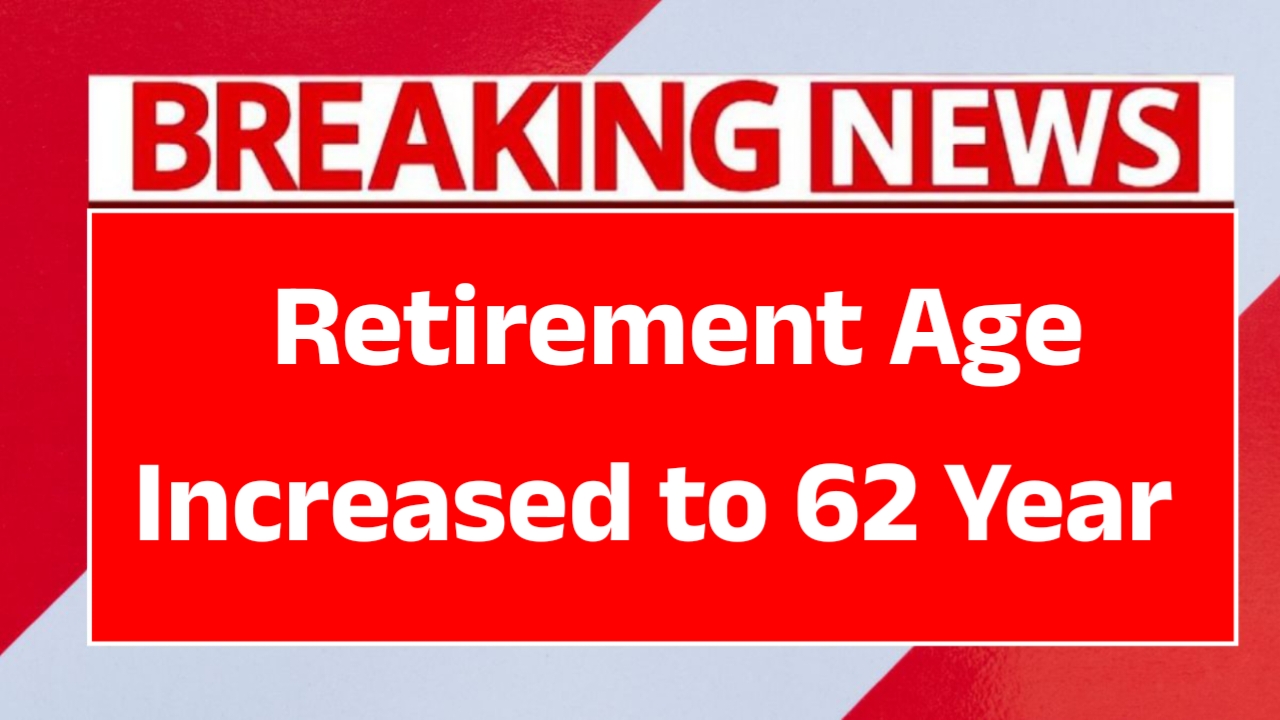
The Indian government has introduced a significant reform in its employment policy by raising the retirement age for central government employees. Starting in 2025, government workers will now retire at 62 years instead of the previous limit of 60 years. This decision marks a substantial change in how India manages its public sector workforce and reflects the country’s evolving demographic and economic realities. The announcement has been received positively by hundreds of thousands of government employees across the nation who will now have two more years of active employment before entering retirement.
This policy change represents more than just a simple adjustment in retirement rules. It demonstrates the government’s approach to addressing multiple challenges simultaneously, including workforce management, pension fund sustainability, and the needs of an aging but healthy working population. By allowing employees to work longer, the government aims to strike a balance between supporting its workforce and maintaining fiscal responsibility in the long term.
Understanding the Reasons Behind This Change
Financial Advantages for Government Workers
यह भी पढ़े:
 8th Pay Commission: ₹46,000–₹51,000 Minimum Basic Pay Proposed, Benefits Breakdown Inside
Central government employees stand to gain considerably from this policy change in several practical ways. The most direct benefit is the continuation of regular monthly salaries, allowances, and yearly pay increases for two additional years. This extended earning period provides employees with more opportunities to save money, make investments, and build a stronger financial foundation before they leave active service. For many families depending on government salaries, these extra years can make a meaningful difference in their long-term financial security.
Beyond salary benefits, employees will continue accessing various government-provided amenities and services during this extended period. This includes housing facilities, comprehensive healthcare coverage, and travel benefits that come with government employment. Additionally, pension calculations are directly linked to the number of years worked and the final salary drawn. By working two more years, employees will naturally qualify for higher pension amounts, giving them better financial stability during their retirement years when they may face increasing healthcare and living expenses.
Managing Pension Systems and Government Finances

From the government’s financial perspective, this retirement age increase serves important budgetary purposes. In the immediate term, it reduces the number of new retirees each year, which means fewer pension payments need to be processed right away. This helps government departments manage their financial resources more efficiently without cutting benefits or reducing support for employees. The gradual release of pension obligations over time allows for better planning and more sustainable fiscal management.
Looking at the bigger picture, this policy contributes to creating a healthier pension system for the future. With employees working longer and contributing more to pension funds before retirement, the overall financial health of these funds improves. This approach mirrors what many developed nations around the world are doing as they respond to longer life expectancies and the financial challenges of supporting aging populations. India’s decision aligns the country with these global trends while adapting them to local needs and circumstances.
Effects on New Job Openings and Youth Employment

One valid concern arising from this policy involves its potential impact on employment opportunities for young people seeking government jobs. Since current employees will remain in their positions for two extra years, the number of vacant positions opening up annually will naturally decrease in the short term. This could potentially slow down recruitment drives and delay opportunities for fresh graduates and young professionals hoping to enter government service.
However, government officials have acknowledged this challenge and expressed commitment to finding solutions. Plans include developing targeted recruitment strategies that focus on creating new positions in emerging fields like digital technology, technical services, and modern administrative functions. By expanding into new areas of government work, authorities aim to ensure that opportunities remain available for younger generations even as experienced workers continue their service. The goal is to achieve a healthy balance between retaining valuable experience and bringing in fresh talent.
Implementation Across Different States

While this new retirement age applies to central government employees throughout India, state governments have the autonomy to decide whether to adopt similar policies for their own employees. Some states are already examining the possibility of implementing comparable changes to maintain consistency across different levels of government employment. States with stronger financial positions may move forward with these changes more quickly, while others might take more time to evaluate the implications for their specific situations.
This policy could spark broader conversations about how India manages its entire public sector workforce in the coming years. As life expectancy continues to rise and global employment patterns shift, India’s proactive approach to adjusting retirement ages positions the country alongside other nations facing similar demographic changes. The reform reflects forward-thinking governance that considers both immediate needs and long-term sustainability.
Preparing for the Transition

Government employees should take advantage of this extended working period by planning their finances carefully and strategically. These additional two years offer a valuable window to maximize savings, review investment portfolios, and ensure adequate preparation for eventual retirement. Employees are encouraged to examine their pension contributions, verify their life insurance coverage, and assess their healthcare provisions to fully benefit from this extended service opportunity.
Government departments will need to update various administrative processes, including service records, promotion timelines, and benefit calculations, to reflect the new retirement age. For most employees, this change offers more than just extra working time—it provides an opportunity to enter retirement with greater financial confidence and stability after having had adequate time to prepare for the next phase of life.
Disclaimer
यह भी पढ़े:
 Unified Pension Scheme 2025: Early Retirement Benefits for Government Employees Explained
This article provides general information based on the retirement age policy for Indian central government employees effective in 2025. The content is intended for informational purposes only and should not be considered as official guidance or legal advice. Readers should verify specific details and consult official government notifications or authorized departments for accurate and personalized information regarding retirement policies and their individual circumstances.