Hyundai Santro 2026: Hyundai Motor India is preparing to relaunch the iconic Santro hatchback in 2026, marking the return of a vehicle that once dominated the entry-level car segment. The new model aims to capture the hearts of budget-conscious Indian families with an attractive starting price of approximately ₹4 lakh ex-showroom. This strategic move by the Korean automaker comes at a time when affordable cars with good fuel efficiency are in high demand across urban and semi-urban markets.
The upcoming Santro promises to deliver a refined driving experience through its 4-cylinder petrol engine, which is expected to offer better smoothness compared to 3-cylinder alternatives in this segment. Industry sources suggest the vehicle will deliver impressive fuel economy exceeding 20 kilometers per liter, making it an economical choice for daily commuters. The hatchback’s reintroduction signals Hyundai’s commitment to the mass-market segment, where competition from Maruti Suzuki and Tata Motors remains intense. With anticipated launch timing around the second quarter of 2026, potential buyers are already showing interest in this pocket-friendly option that combines Korean engineering standards with practical features suited for Indian road conditions.
Design Philosophy and Exterior Styling
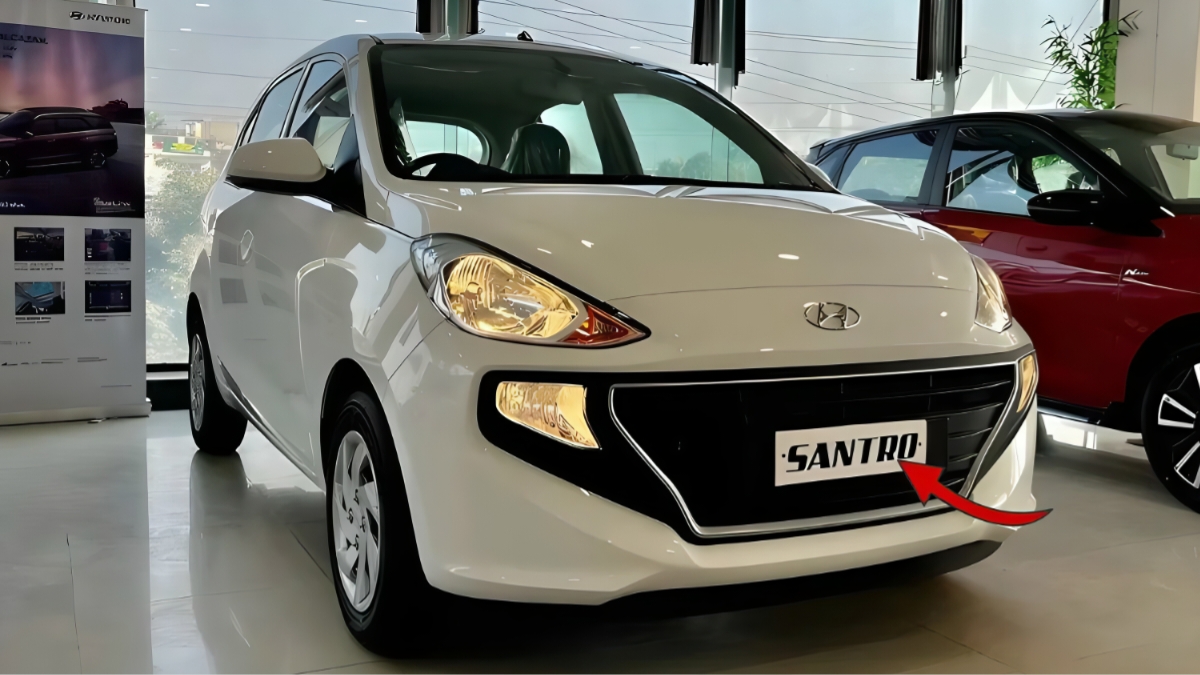
The 2026 Santro retains the signature tall-boy design that made the original model instantly recognizable on Indian roads. The upright stance maximizes interior space while maintaining a compact footprint of 3,610 millimeters in length. The front fascia features a bold grille complemented by modern LED daytime running lights, giving the budget hatchback a contemporary appearance. Steel wheels measuring 14 inches come standard with durable hubcaps designed to withstand rough road conditions commonly found in smaller towns and rural areas.

Ground clearance of 165 millimeters ensures the Santro can handle speed breakers and waterlogged streets without difficulty. The wheelbase measures 2,400 millimeters, providing generous legroom for passengers in both rows. Dual-tone color options, including a striking red roof with silver body combination, add visual appeal for younger buyers. The rear design incorporates connected LED taillamps that create a wider visual stance. Practical elements like roof rails and a squared-off tailgate with 235-liter boot capacity demonstrate the vehicle’s focus on utility alongside style.
Interior Space and Comfort Features
Inside, the Santro offers a dual-tone beige and black dashboard with silver accents that elevate the cabin ambiance. Higher trim levels receive a 7-inch touchscreen infotainment system with wireless Android Auto connectivity, allowing seamless smartphone integration for navigation and entertainment. Fabric seat upholstery provides comfortable support during long journeys, while the height-adjustable driver seat ensures proper driving posture for people of different heights. The tilt-adjustable steering wheel further enhances customization of the driving position.
Rear passengers benefit from a dedicated air conditioning vent and USB charging ports to keep electronic devices powered. A cooled glovebox helps keep beverages chilled during hot summer months. The rear bench can accommodate three passengers comfortably, with cushioning designed to reduce fatigue on longer trips. Storage solutions include a rear parcel tray, ticket holders, and spacious door pockets. The 60:40 split-folding rear seats allow flexible cargo carrying when needed, transforming the boot space to accommodate larger items like weekly grocery hauls or luggage for family vacations.
यह भी पढ़े:
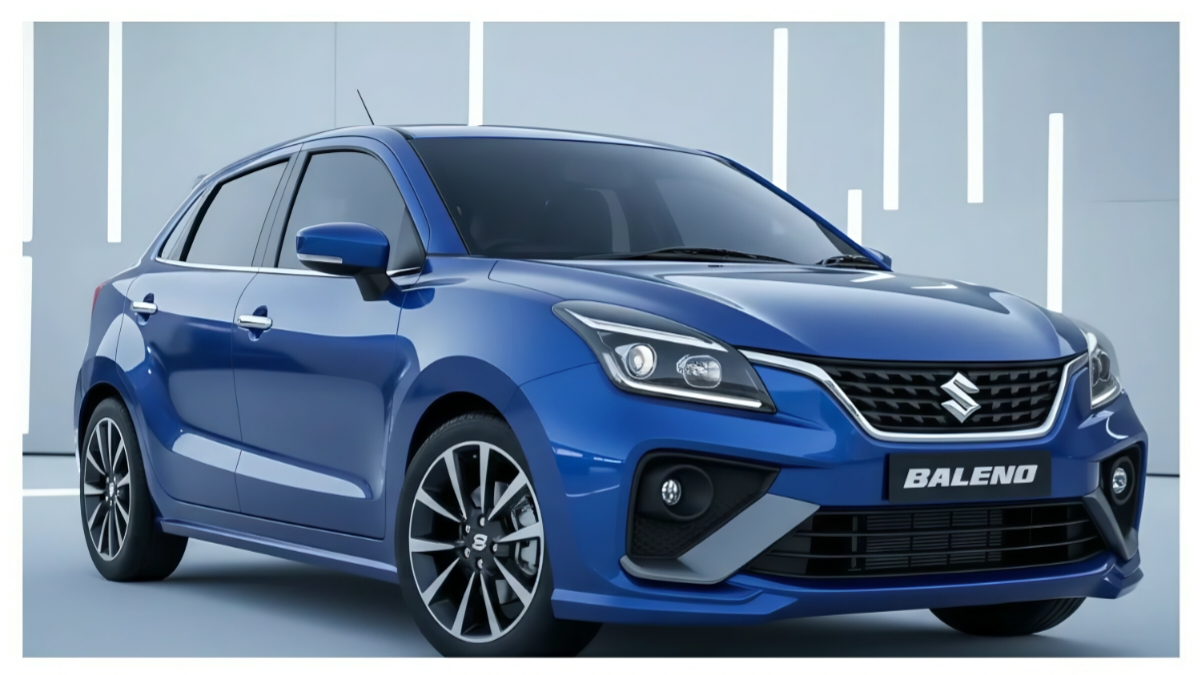
 New Maruti Baleno Hybrid 2026: Petrol-Electric Technology, High Mileage & Price From ₹4 Lakh
Engine Performance and Fuel Efficiency
The heart of the 2026 Santro is a proven 1.1-liter four-cylinder Kappa petrol engine utilizing single overhead camshaft (SOHC) technology. This motor generates 68 brake horsepower at 5,500 revolutions per minute and peak torque of 99 Newton-meters at 4,500 RPM. The four-cylinder architecture delivers smoother operation with less vibration compared to three-cylinder units, resulting in a more refined driving experience. The engine incorporates idle start-stop technology that automatically shuts off the motor at traffic signals, conserving fuel during stationary periods.
For buyers seeking maximum economy, CNG variants promise running costs around 30 kilometers per kilogram of compressed natural gas. The seamless fuel switching system allows drivers to alternate between petrol and CNG without interruption. An eco indicator on the instrument cluster helps drivers maintain optimal throttle inputs for maximum efficiency. The Santro can reach a top speed of 155 kilometers per hour, while acceleration from zero to 100 kilometers per hour takes approximately 13 seconds—adequate performance for daily commuting and occasional highway journeys prioritizing comfort over outright speed.
Safety Equipment and Technology Integration
Safety features form a core component of the 2026 Santro’s value proposition. Dual front airbags will be standard across all variants, providing essential occupant protection in frontal collisions. Anti-lock braking system (ABS) with electronic brake-force distribution (EBD) prevents wheel lockup during emergency braking situations. Top-end variants receive rear parking sensors to assist with reversing in tight spaces, while seatbelt reminder systems encourage proper restraint usage for all occupants.
यह भी पढ़े:
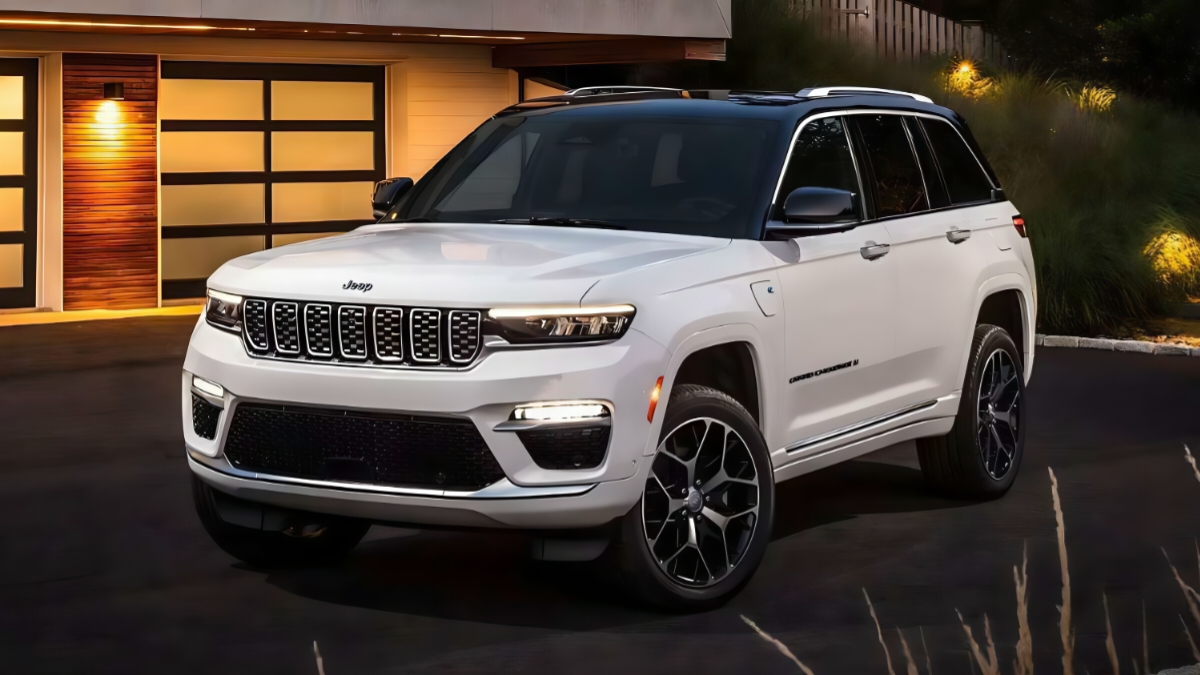
 Jeep Grand Cherokee Revealed with Aggressive Styling, Advanced Technology and Confident Performance
Additional safety technologies include speed-sensing automatic door locks that engage once the vehicle reaches a certain velocity, along with impact-sensing automatic unlocking for easier exit after accidents. Child safety locks on rear doors provide peace of mind for parents. Premium variants may offer a 360-degree camera system for enhanced parking visibility, tire pressure monitoring to maintain optimal inflation, and hill-hold assist that prevents rollback on inclines. Select models could feature Hyundai’s Blue Link connected car technology, enabling remote engine start, geofencing capabilities, and automatic crash alerts to emergency contacts.
Market Positioning and Ownership Costs
Hyundai’s pricing strategy positions the Santro as an affordable alternative in the entry-level hatchback segment. The base Era variant starting around ₹4.2 lakh ex-showroom (approximately ₹4.8 lakh on-road in Delhi) undercuts several competitors while offering superior refinement. The range-topping Asta AMT automatic variant at ₹6 lakh provides convenience features typically found in more expensive vehicles. This pricing makes the Santro accessible to first-time car buyers, small business owners, and families upgrading from two-wheelers.
Ownership economics favor the Santro with a comprehensive five-year unlimited kilometer warranty covering mechanical issues across the country. Service intervals are set at 10,000 kilometers, reducing maintenance frequency and associated costs. Running expenses are estimated at approximately ₹4 per kilometer for petrol variants and ₹1.5 per kilometer for CNG models. Hyundai’s widespread service network ensures easy access to authorized workshops in cities and towns. Resale value is projected to retain around 80 percent of original price after covering 50,000 kilometers, making the Santro a sound financial decision for value-conscious buyers.

Competition and Market Expectations
The reintroduced Santro will compete directly with established models like the Maruti Suzuki Alto K10, which currently leads the entry-level segment. Hyundai’s advantage lies in offering four-cylinder smoothness, superior build quality, and more comprehensive feature sets at competitive prices. Tata Motors’ offerings in this space will also face pressure from the Santro’s combination of affordability and refinement. The Korean manufacturer’s reputation for reliability and after-sales service provides additional confidence to potential buyers hesitant about budget vehicle quality.
Market analysts predict strong initial demand for the Santro, particularly in tier-2 and tier-3 cities where price sensitivity remains high but aspirations for quality products are increasing. The availability of both manual and AMT transmissions caters to diverse buyer preferences, while CNG options appeal to those prioritizing minimum running costs. With preliminary information already reaching dealerships and spy photographs confirming advanced development stages, interested buyers are advised to register their interest early. The combination of nostalgic brand recall and contemporary features positions the 2026 Santro as a potential bestseller in India’s value hatchback category.
Disclaimer: The information presented in this article is based on industry reports, unofficial sources, and preliminary details available at the time of writing. Official specifications, features, pricing, and launch dates for the Hyundai Santro 2026 have not been confirmed by Hyundai Motor India. Actual product details may vary when the vehicle is officially launched. Readers are advised to verify all information with authorized Hyundai dealerships before making any purchase decisions. Fuel efficiency figures mentioned are based on ARAI certification standards, and real-world mileage may differ depending on driving conditions, vehicle maintenance, and individual driving styles. Prices mentioned are ex-showroom estimates and do not include taxes, insurance, registration, and other on-road costs, which vary by location.