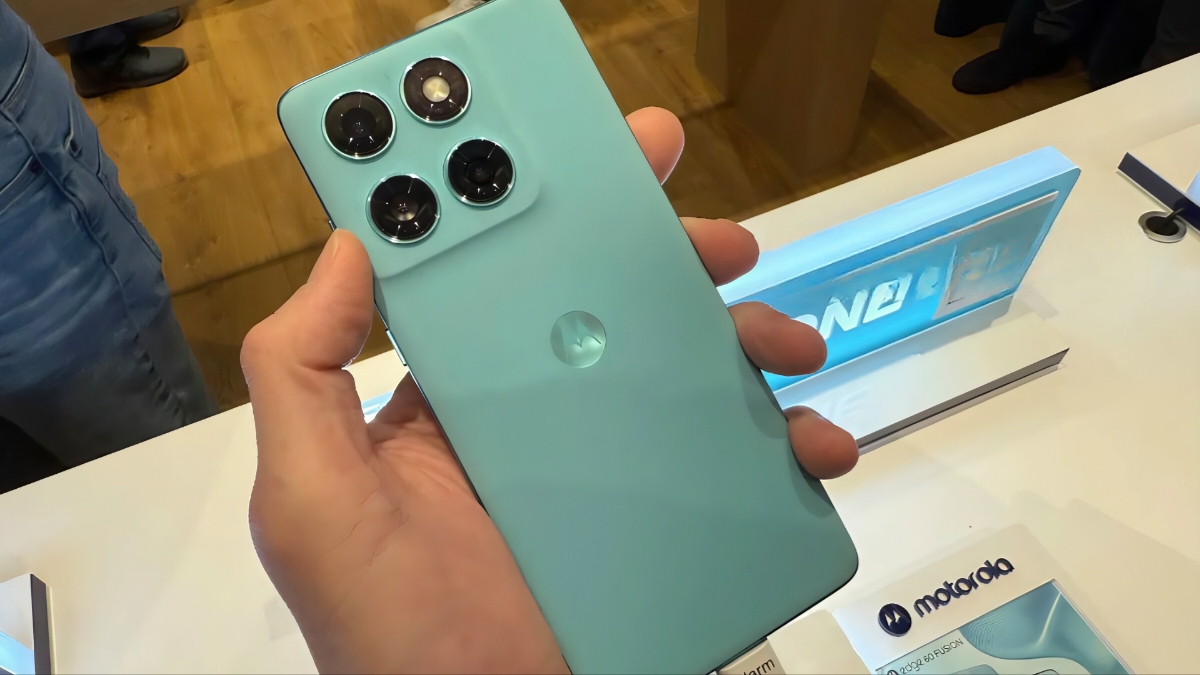
Motorola Edge 60 Fusion: Motorola has made a significant impact in India’s competitive mid-range smartphone market with the Edge 60 Fusion, a device that combines flagship-level features with an accessible price point. Launched in April 2025, this smartphone continues to dominate online sales charts even in January 2026, proving that consumers are drawn to its compelling mix of specifications and real-world usability. The Edge 60 Fusion addresses common pain points in the ₹20,000-₹27,000 segment by offering a curved premium display, robust battery life, and military-grade durability that many competitors in this price range struggle to match.
What makes the Edge 60 Fusion particularly noteworthy is its positioning as an everyday device that doesn’t compromise on essential features. From college students in tier-2 cities to working professionals in metro areas, the phone caters to diverse user needs with its balanced approach. Priced between ₹21,700 for the 8GB/256GB variant and ₹26,999 for the 12GB/256GB model, Motorola has strategically positioned this device to compete against established players like Poco, Samsung, and OnePlus. The phone’s continued success nine months post-launch indicates strong market acceptance and reliability.
Display Technology and Design Philosophy
The Edge 60 Fusion features a 6.7-inch curved pOLED display with 1220×2712 resolution, delivering sharp visuals with 446 pixels per inch. The screen supports a 120Hz LTPO refresh rate that dynamically adjusts based on content, optimizing both smoothness and battery efficiency. With HDR10+ and Dolby Vision certification, the display handles streaming content from Netflix and other platforms with rich colors and deep contrast. The peak brightness of 4,500 nits ensures excellent outdoor visibility, even under direct sunlight, while the High Brightness Mode achieves 1,400 nits for comfortable viewing in bright conditions.

Measuring 161.2×73.08×8.25mm and weighing 180 grams, the phone maintains a slim profile despite housing a large battery. The device is available in three color options: Pantone Amazonite, Zephyr, and Mykonos Blue, with vegan leather back panels on some variants that resist fingerprints better than glass. Corning Gorilla Glass 7i protects the display from scratches and minor drops. The curved design achieves a 96% screen-to-body ratio, with minimal bezels creating an immersive viewing experience. The 2160Hz PWM dimming reduces eye strain during extended screen time, and Water Touch 3.0 technology allows the touchscreen to function even when wet.
Performance Hardware and Processing Power
At the heart of the Edge 60 Fusion lies the MediaTek Dimensity 7400 chipset, built on a 4nm process for efficiency. This octa-core processor combines four high-performance Cortex-A78 cores clocked at 2.5GHz with four efficiency-focused Cortex-A55 cores. The Mali-G615 MP2 GPU handles graphics-intensive tasks, with the phone scoring approximately 682,000 on AnTuTu benchmarks. In practical gaming tests, popular titles like BGMI run smoothly at 90fps on HDR settings, while Genshin Impact maintains stable 60fps performance on high graphics settings. A vapor chamber cooling system keeps temperatures below 40°C during extended gaming sessions.
The device comes with 8GB or 12GB of LPDDR4X RAM, with virtual RAM expansion adding up to 8GB more by utilizing storage space. This allows users to keep multiple apps running simultaneously without slowdowns. Storage options include 256GB of UFS 2.2 internal memory, with hybrid microSD card support up to 1TB for those needing additional space. While UFS 2.2 is slower than the UFS 3.1 standard found in some premium devices, it provides adequate performance for most daily tasks. The Hello UI interface based on Android 15 remains clean and bloat-free, with useful AI-powered features like Style Sync for photo editing and Catch Me Up for summarizing notifications.

Camera System and Photography Capabilities
The rear camera setup includes a 50MP primary sensor using the Sony LYTIA 700C with optical image stabilization and phase-detection autofocus. The 1/1.95-inch sensor with 1μm pixels (2μm with quad-pixel binning) captures detailed photos in various lighting conditions. The f/1.88 aperture allows more light, improving low-light photography. A 13MP ultra-wide camera with a 120-degree field of view accompanies the main sensor, doubling as a macro lens for close-up shots. While the camera system lacks a dedicated telephoto lens, the available setup handles most photography scenarios competently, producing punchy portraits and well-balanced landscape shots.
The 32MP front-facing camera supports 4K video recording at 60fps, making it suitable for vloggers and video call enthusiasts. The rear cameras can record 4K video at 30fps and 1080p at 60fps, with gyro-based electronic image stabilization reducing shakiness. Night mode enhances low-light photography by combining multiple exposures, while features like spot color mode allow creative effects by keeping one color while making the rest of the image black and white. The camera app includes RAW format support for users who want to edit photos extensively. Overall, the camera system delivers solid mid-range performance, though enthusiasts seeking telephoto capabilities will need to look elsewhere.
Battery Life and Charging Technology
One of the Edge 60 Fusion’s standout features is its 5,500mAh silicon-anode battery, which provides impressive endurance. Real-world testing shows approximately 11 hours of continuous screen-on time, with the phone easily lasting through a full day of heavy use. Video playback stretches to around 10 hours, while gaming sessions like BGMI run for approximately 7 hours before requiring a charge. Standby time extends to two days for light users, making the device reliable for those who can’t charge frequently. The large battery capacity addresses one of the most common complaints about mid-range smartphones—poor battery life.

The included 68W TurboPower charger rapidly replenishes the battery, reaching 50% charge in just 20 minutes and full charge in approximately 44 minutes. The fast charging system is compatible with Power Delivery standards, allowing users to charge with third-party chargers if needed. A bypass charging feature enables direct power supply during gaming, preventing battery degradation from heat. However, the phone lacks wireless charging support, which some users might miss. Stereo speakers with Dolby Atmos support and JBL tuning provide rich audio for media consumption, though the absence of a headphone jack means users must rely on Bluetooth connectivity with aptX Adaptive support for high-quality wireless audio.
Durability Features and Build Quality
The Edge 60 Fusion exceeds typical durability standards with IP68 and IP69 ratings, meaning it can withstand submersion in 1.5 meters of water for 30 minutes and resist high-pressure water jets. Additionally, MIL-STD-810H military certification ensures the phone survives drops, dust exposure, extreme temperatures, and vibrations that would damage ordinary devices. This rugged construction makes it ideal for users in challenging environments or those prone to accidental drops. The combination of water resistance and military-grade durability is rare in this price segment, giving the Edge 60 Fusion a significant advantage.
Additional features enhance daily usability. An under-display optical fingerprint sensor unlocks the phone in approximately 0.2 seconds, providing quick and secure access. An IR blaster allows the phone to control home appliances like TVs and air conditioners. Connectivity options include WiFi 6, Bluetooth 5.4, NFC for contactless payments, and a full complement of sensors including gyroscope and accelerometer. The Hello UI software includes Ready For functionality that mirrors the phone to a PC, and Moto Gestures allow quick actions like chopping twice to activate the flashlight. The clean software experience avoids intrusive advertisements, maintaining a user-friendly interface throughout.
यह भी पढ़े:
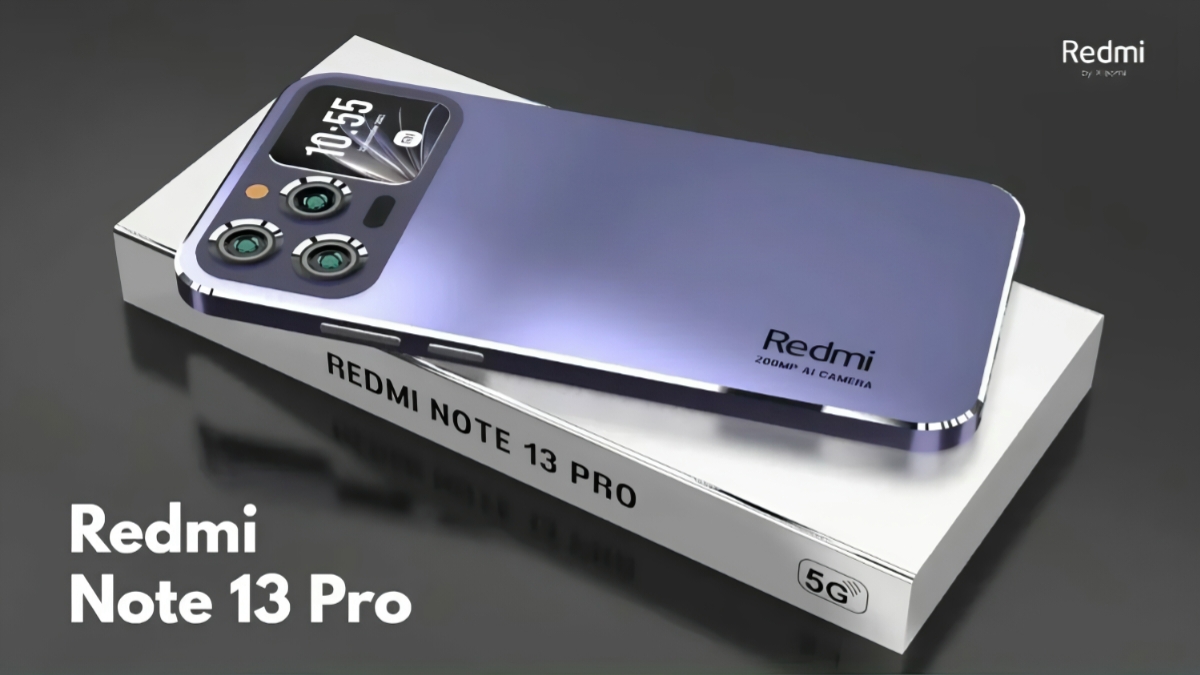
 Redmi Note 13 Pro 2026 Launched – Strong Processor, Premium Sleek Design & Advanced AI Features
Market Position and Competitive Landscape
The Edge 60 Fusion competes in a crowded mid-range segment against devices like the Poco X7 Pro, Samsung Galaxy M55, and OnePlus Nord CE4. Compared to these rivals, Motorola’s offering stands out with its curved display, superior water resistance, and excellent battery life. The Poco X7 Pro faces thermal throttling issues during extended gaming, while the Samsung M55’s camera system receives mixed reviews for inconsistent performance. The OnePlus Nord CE4, though competent, lacks the premium curved display and IP69 rating that Motorola provides. These differentiators help the Edge 60 Fusion maintain strong sales despite intense competition.
Price positioning plays a crucial role in the phone’s success. At street prices starting around ₹21,700 for the base model, it undercuts many competitors while offering comparable or superior specifications. The 12GB RAM variant at ₹26,999 remains competitive for power users who prioritize multitasking performance. Motorola’s reputation for near-stock Android experiences and timely security updates adds value beyond raw specifications. However, potential buyers should note some trade-offs: the UFS 2.2 storage is slower than UFS 3.1, call audio quality through the earpiece could be better, and wireless charging is absent. For most users in this price range, these compromises are acceptable given the overall package.
Disclaimer: The information in this article is based on available specifications and user reviews as of January 2026. Prices mentioned may vary by region, retailer, and ongoing promotional offers. Readers should verify current pricing and availability through official channels before making purchase decisions. Performance metrics and battery life figures represent typical usage scenarios and may vary based on individual usage patterns, software versions, and network conditions. This article is for informational purposes only and does not constitute an endorsement or recommendation to purchase any specific product.