Tata Nano 2026 Launched: Tata Motors has announced the return of its legendary compact vehicle, bringing the Nano nameplate back into the Indian automotive market for 2026. This relaunch represents a significant shift from the original concept, as the manufacturer addresses past challenges while maintaining the car’s core identity as an affordable urban mobility solution. The decision to revive the Nano comes at a time when Indian cities face increasing traffic congestion and parking constraints, making compact vehicles more relevant than ever.
The original Tata Nano, launched in 2008, was marketed as the world’s most affordable car but faced several market challenges that led to its discontinuation. The 2026 version takes lessons from that experience and repositions itself as a value-oriented city car rather than just a budget option. This strategic change reflects evolving consumer expectations in India, where buyers increasingly seek quality and features alongside affordability. The timing of this launch is particularly noteworthy as urban populations continue to grow and first-time car buyers look for practical transportation alternatives that won’t strain their budgets.
Redesigned Exterior Appeals to Modern Buyers
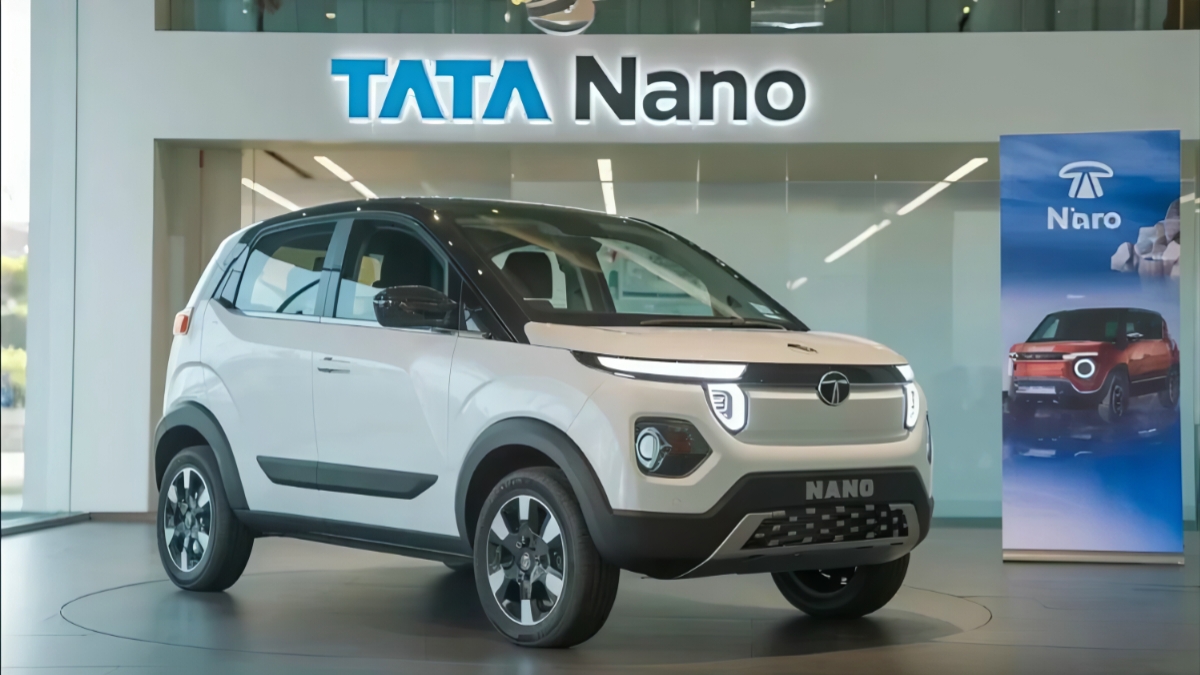
The visual transformation of the Nano immediately distinguishes the 2026 model from its predecessor. Tata’s design team has worked extensively to create a more contemporary appearance that eliminates the overtly budget-focused aesthetic of the original. The front fascia features updated headlamp clusters with modern lighting technology, while the grille design incorporates elements from Tata’s current design philosophy. Body panels have been refined to create smoother surfaces and better proportions, giving the car a more premium road presence despite its compact dimensions.

Chrome accents and body-colored components replace the plain finishes of the earlier version, contributing to an upmarket feel. The compact footprint remains unchanged as this is fundamental to the Nano’s urban practicality, but improved panel gaps and better finishing quality demonstrate higher manufacturing standards. Alloy wheel options will be available on higher variants, further enhancing the visual appeal. The color palette includes both vibrant and sophisticated choices to attract diverse buyer preferences. These exterior improvements signal Tata’s commitment to making the Nano aspirational rather than merely functional.
Engine Delivers Economy Without Compromising Performance
Under the hood, the 2026 Nano features a re-engineered small-capacity petrol engine that prioritizes fuel efficiency while providing adequate power for city driving conditions. Tata’s engineers have optimized the powertrain for lower emissions and better fuel economy, addressing two critical concerns for budget-conscious buyers. The engine calibration focuses on low-end torque delivery, making it responsive in stop-and-go traffic situations that dominate urban driving. Preliminary estimates suggest the vehicle will achieve impressive mileage figures that could make it one of the most economical options in its class.
The availability of an automatic transmission option marks a significant upgrade, as the original Nano was only offered with a manual gearbox. This addition makes the car more accessible to a broader range of drivers, including those who prefer or require automatic transmissions for city commuting. The manual transmission has also been refined for smoother operation and better gear ratios. Engine refinement has improved considerably, with reduced noise and vibration levels enhancing the overall driving experience. These mechanical improvements ensure the Nano can compete effectively in a market where even entry-level vehicles are expected to offer reasonable performance and drivability.
यह भी पढ़े:
 New Maruti Baleno Hybrid 2026: Petrol-Electric Technology, High Mileage & Price From ₹4 Lakh
Interior Features Match Contemporary Expectations
The cabin of the 2026 Nano has undergone substantial upgrades to provide better comfort and convenience than before. A touchscreen infotainment system takes center stage on the dashboard, offering smartphone connectivity through Android Auto and Apple CarPlay integration. This addresses the connectivity needs of younger buyers who view such features as essential rather than optional. The inclusion of power windows across variants eliminates one of the cost-cutting measures that characterized the original model. Air conditioning performance has been improved to handle India’s diverse climate conditions effectively.
Seating has been redesigned with better cushioning and ergonomic support for longer journeys. Storage spaces have been thoughtfully incorporated throughout the cabin to enhance practicality for daily use. The instrument cluster presents information clearly with improved visibility and readability. Quality of plastics and materials used in the interior shows noticeable improvement over the previous generation. While maintaining a simple layout appropriate for its positioning, the cabin now feels more finished and less spartan. These interior enhancements demonstrate that Tata has listened to customer feedback and understands that even budget-focused buyers expect a certain level of comfort and features in modern vehicles.
Safety Features Address Previous Concerns
Safety was a contentious topic with the original Nano, and Tata has made significant strides in this area for the 2026 model. The structural integrity of the vehicle has been substantially improved with the use of high-strength steel in critical areas. Dual front airbags will be standard across all variants, meeting current safety regulations and buyer expectations. Anti-lock braking system with electronic brake-force distribution provides better control during emergency braking situations. Rear parking sensors assist with maneuvering in tight spaces, a common scenario for a compact city car.
यह भी पढ़े:
 Jeep Grand Cherokee Revealed with Aggressive Styling, Advanced Technology and Confident Performance
The body structure has been engineered to provide better crash protection for occupants, addressing concerns raised about the earlier version. Seat belt reminders and speed alerts promote safer driving habits. Child seat anchor points facilitate secure installation of child restraints for families. Improved visibility through larger glass areas and better mirror placement enhances driver awareness. These safety improvements position the new Nano as a responsible choice for families and first-time car buyers who prioritize occupant protection. Tata’s commitment to safety reflects broader industry trends and regulatory requirements that have evolved significantly since the original Nano’s launch.
Target Audience and Market Positioning
The 2026 Nano aims to attract first-time car buyers transitioning from two-wheelers, young professionals seeking economical transportation, and families needing a second vehicle for city errands. Unlike the original positioning as merely the cheapest car, this version emphasizes value, practicality, and quality at an accessible price point. The target demographic includes buyers in smaller cities where parking space and fuel costs are significant considerations. College students and young couples represent another key segment that values affordability without wanting to compromise too much on features or appearance.
Market research indicates growing demand for compact vehicles as urban congestion worsens and parking becomes increasingly scarce and expensive. The Nano’s diminutive size offers practical advantages in these conditions while updated features ensure it doesn’t feel like a compromise. Tata is positioning the car as a smart choice rather than just a cheap one, emphasizing low running costs, easy maintenance, and hassle-free ownership. The manufacturer expects strong interest from tier-two and tier-three cities where the Nano’s combination of affordability and practicality resonates strongly. By repositioning the brand and improving the product substantially, Tata hopes to rewrite the Nano story and establish it as a sustainable success in India’s dynamic automotive market.

Disclaimer: This article is based on available information about the Tata Nano 2026 and is intended for informational purposes only. Specifications, features, prices, and availability mentioned may vary by region and are subject to change by the manufacturer without prior notice. Readers are advised to verify all details with authorized Tata Motors dealerships before making any purchase decisions. The author and publisher are not responsible for any decisions made based on the information provided in this article. Always conduct thorough research and test drive vehicles before finalizing any automotive purchase.