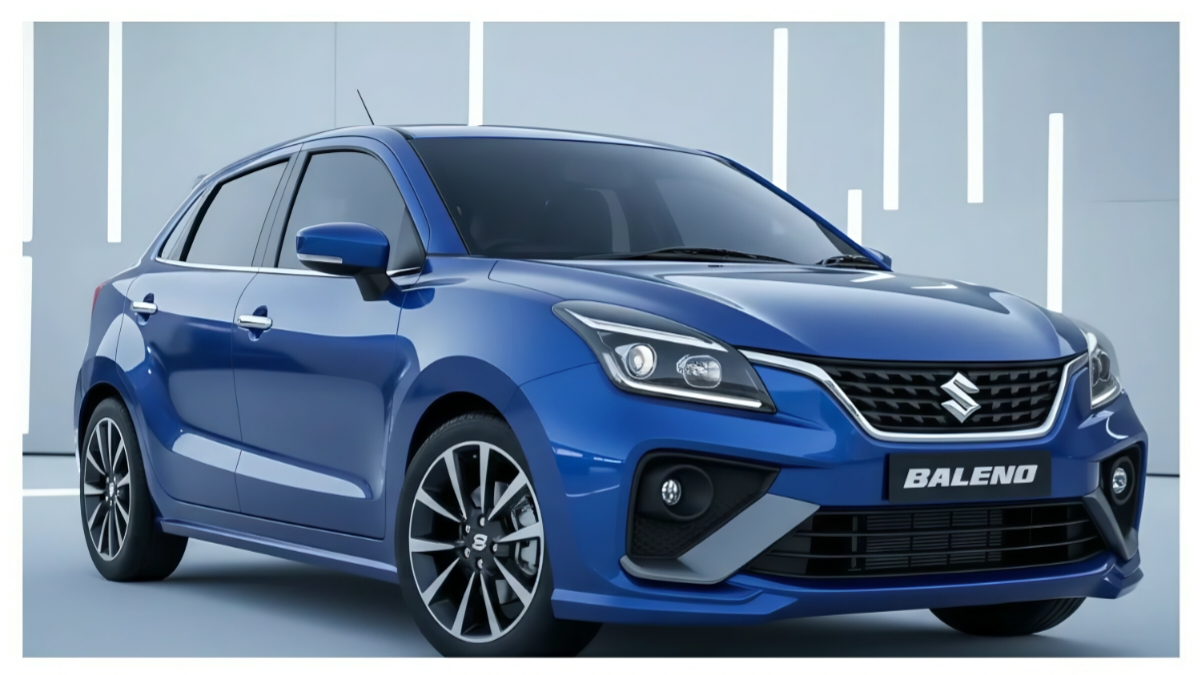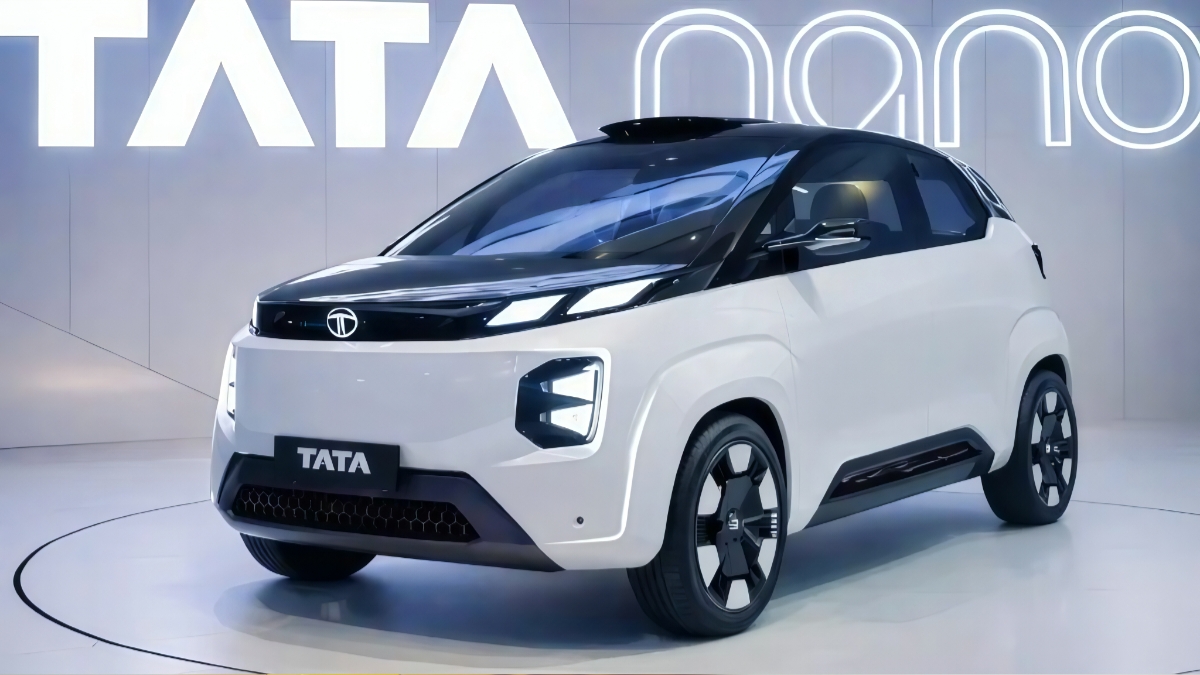
Tata Nano EV: India’s electric vehicle market is witnessing an exciting development as Tata Motors brings back the iconic Nano nameplate in electric avatar. The Tata Nano EV represents a strategic move to democratize electric mobility for millions of Indian families who dream of owning their first car. Unlike the original petrol-powered Nano that faced various challenges, this electric version promises to redefine budget car ownership with modern technology, zero emissions, and significantly lower running costs. The vehicle targets young professionals, college students, and small families living in urban areas who need reliable daily transportation without the financial burden of premium electric vehicles.
What makes this launch particularly significant is its timing in India’s growing EV ecosystem. With rising fuel prices and increasing environmental awareness, budget-conscious buyers are actively seeking affordable alternatives to petrol and diesel vehicles. The Tata Nano EV enters this space as a practical solution, offering impressive features typically found in higher-priced segments. The combination of a 250-kilometer driving range, compact city-friendly dimensions, and an accessible monthly payment plan of just ₹3,499 positions it as a game-changer for first-time car buyers. This vehicle could potentially bridge the massive gap between two-wheeler users and conventional four-wheeler owners across India’s tier-2 and tier-3 cities.
Compact Design Perfect for Indian Cities
The Tata Nano EV maintains the original Nano’s philosophy of maximizing interior space while minimizing the external footprint. This compact design approach proves especially valuable in India’s congested urban environments where parking spaces are limited and narrow lanes are common. The vehicle features a tight turning radius that makes U-turns and parking maneuvers effortless, even for novice drivers. Lightweight construction materials help improve efficiency while keeping manufacturing costs reasonable. The exterior styling balances modern aesthetics with practical functionality, avoiding unnecessary decorative elements that would increase production expenses without adding real value.

Inside the cabin, smart space utilization ensures comfortable seating for occupants despite the small exterior dimensions. The dashboard layout emphasizes simplicity and ease of operation, with clearly visible displays for essential information like battery charge level, remaining range, and vehicle speed. The minimalist approach extends to controls and features, eliminating complexity that could confuse first-time car owners. This straightforward design philosophy not only reduces manufacturing costs but also simplifies maintenance and repairs. The focus remains squarely on delivering dependable urban transportation rather than flashy features that drive up prices unnecessarily.
Impressive 250Km Range for Daily Commuting
The standout feature of the Tata Nano EV is its claimed real-world range of 250 kilometers on a full charge, which surpasses many expectations for a budget electric vehicle. This range specification addresses one of the primary concerns potential EV buyers have: range anxiety. For typical urban usage patterns involving daily commutes to work or college, grocery shopping, and occasional weekend outings, 250 kilometers provides substantial buffer. Most city dwellers cover between 30 to 50 kilometers daily, meaning the Nano EV could potentially operate for four to five days before requiring a recharge, depending on driving habits and conditions.
This generous range eliminates the stress of constantly monitoring battery levels during routine use. Unlike some budget EVs that barely manage 150 kilometers, the Nano EV’s extended range opens possibilities for occasional intercity trips to nearby towns, visiting relatives, or weekend getaways within reasonable distances. The lithium-ion battery pack incorporates efficient energy management systems that optimize power consumption based on driving patterns. Factors like moderate speeds, smooth acceleration, and regenerative braking during city driving help maximize the actual distance covered per charge. This real-world usability makes electric vehicle ownership genuinely practical rather than an experimental lifestyle choice.
यह भी पढ़े:
 New Maruti Baleno Hybrid 2026: Petrol-Electric Technology, High Mileage & Price From ₹4 Lakh
City-Optimized Electric Motor Performance
The electric motor powering the Nano EV has been specifically calibrated for urban driving conditions rather than highway racing. This approach delivers smooth, linear acceleration from standstill, making traffic light starts and merging into flowing traffic comfortable and confident. The instant torque characteristic of electric motors means responsive power delivery without the lag associated with conventional engines. While exact specifications haven’t been officially disclosed, the motor produces adequate power for city speed limits, providing safe overtaking capability in slow-moving traffic without being overpowered for its intended purpose.
This city-centric tuning philosophy emphasizes drivability, efficiency, and safety over outright performance numbers. The modest top speed aligns perfectly with urban speed restrictions, ensuring drivers don’t feel tempted to exceed safe limits. The electric powertrain’s inherently smooth operation eliminates vibrations and engine noise, creating a calm driving environment particularly appreciated during stop-and-go traffic. Regenerative braking technology captures energy during deceleration, feeding it back into the battery to extend range. This feature also reduces wear on mechanical brake components, lowering long-term maintenance costs while contributing to the vehicle’s overall efficiency in city conditions.
Convenient Charging and Battery Technology
The Tata Nano EV utilizes a lithium-ion battery system designed for durability and consistent performance throughout its lifespan. One of the most practical aspects is its flexible charging capability through standard home electrical sockets, eliminating the absolute necessity for specialized charging equipment. This accessibility means buyers in apartments or homes without dedicated EV infrastructure can still charge their vehicles overnight using existing electrical connections. For faster charging needs, the vehicle remains compatible with standard public EV charging stations increasingly available across Indian cities, providing flexibility based on user requirements and urgency.
यह भी पढ़े:
 Jeep Grand Cherokee Revealed with Aggressive Styling, Advanced Technology and Confident Performance
Charging time optimization focuses on real-world usage patterns where vehicles typically remain parked for extended periods during work hours or overnight at home. A full charge from empty to 100% using home charging typically completes overnight, ensuring the vehicle is ready each morning for daily use. The battery management system monitors cell health, temperature, and charging patterns to maximize battery longevity and maintain optimal performance over years of operation. This intelligent system prevents overcharging, manages discharge rates, and provides accurate remaining range estimates, giving drivers confidence in their vehicle’s capabilities without constant anxiety about running out of charge unexpectedly.
Practical Interior and Essential Features
The cabin design prioritizes functionality and user-friendliness over luxury appointments, perfectly aligned with the vehicle’s budget positioning. Seating provides adequate comfort for daily commutes with decent cushioning and supportive backrests suitable for typical urban journey durations. The dashboard features a clean layout with analog or digital instrumentation displaying critical information without overwhelming first-time car owners with unnecessary complexity. Controls for basic functions like climate control, lights, and audio remain intuitively placed and easy to operate while driving, requiring minimal learning curve even for those transitioning from two-wheelers.
Storage spaces within the cabin accommodate everyday items like mobile phones, water bottles, documents, and shopping bags, addressing practical needs of daily users. While the Nano EV doesn’t boast advanced infotainment systems or connectivity features found in premium vehicles, it includes essential amenities that matter most to budget buyers: comfortable seating, adequate visibility, simple controls, and reliable operation. This no-nonsense approach keeps costs down while delivering genuine value. The focus remains on providing dependable transportation that improves quality of life rather than impressing with technological gimmicks that increase price without proportional benefit to target customers.

Safety Features and Low Maintenance
Although detailed safety specifications await official announcement, the Tata Nano EV is expected to incorporate essential safety equipment appropriate for city driving environments. This likely includes structural reinforcements for occupant protection, stability enhancements for confident handling, and possibly basic driver assistance features depending on final specifications. Tata Motors’ reputation for emphasizing safety across its vehicle lineup suggests the Nano EV will meet current regulatory requirements while providing reasonable protection for occupants during urban use. The compact size and moderate performance characteristics inherently limit certain risk factors compared to faster, heavier vehicles.
A significant advantage of electric vehicles lies in their reduced maintenance requirements compared to conventional petrol or diesel cars. The Nano EV benefits from fewer moving parts in its electric powertrain, eliminating components like engines, gearboxes, clutches, and exhaust systems that require regular servicing and eventual replacement. This simplicity translates to lower maintenance costs over the vehicle’s lifetime, fewer workshop visits, and reduced chances of unexpected breakdowns. Regular maintenance primarily involves checking battery health, tire condition, brake systems, and basic electrical components—all simpler and less expensive than traditional vehicle servicing. For budget-conscious buyers, these reduced ownership costs represent genuine savings that compound over years of operation.
Affordable Pricing and EMI Options
The Tata Nano EV’s estimated pricing between ₹5.50 lakh and ₹5.80 lakh on-road positions it strategically in a segment currently underserved by electric vehicles. This price point competes directly with entry-level petrol hatchbacks while offering electric vehicle benefits like zero fuel costs, minimal maintenance, and environmental friendliness. The company has partnered with financial institutions to offer attractive loan schemes, with the headline monthly installment of ₹3,499 making car ownership accessible to a broader demographic than ever before. This EMI amount, comparable to many motorcycle loans, removes financial barriers that traditionally prevented lower-middle-income families from considering four-wheeler ownership.

Additional ownership costs remain significantly lower than conventional vehicles due to electricity being cheaper than petrol or diesel fuel. Daily charging costs work out to a fraction of equivalent fuel expenses, potentially saving thousands of rupees monthly for regular users. Combined with reduced maintenance requirements and possible government incentives for electric vehicle adoption, the total cost of ownership becomes extremely competitive. These financial advantages make the Nano EV particularly attractive for young professionals starting their careers, small business owners needing affordable transport, and families seeking to upgrade from two-wheelers without straining their monthly budgets. The vehicle represents genuine value rather than mere cheapness.
Disclaimer: The information presented in this article is based on available reports and announcements regarding the Tata Nano EV. Official specifications, features, pricing, and availability may vary when the vehicle is formally launched. Readers should verify details with authorized Tata Motors dealerships before making purchase decisions. The mentioned EMI amount of ₹3,499 per month depends on various factors including down payment, loan tenure, interest rates, and individual creditworthiness, which may differ for each buyer. Actual driving range may vary based on driving conditions, traffic patterns, weather, and individual usage habits. This article is for informational purposes only and does not constitute financial or purchase advice.