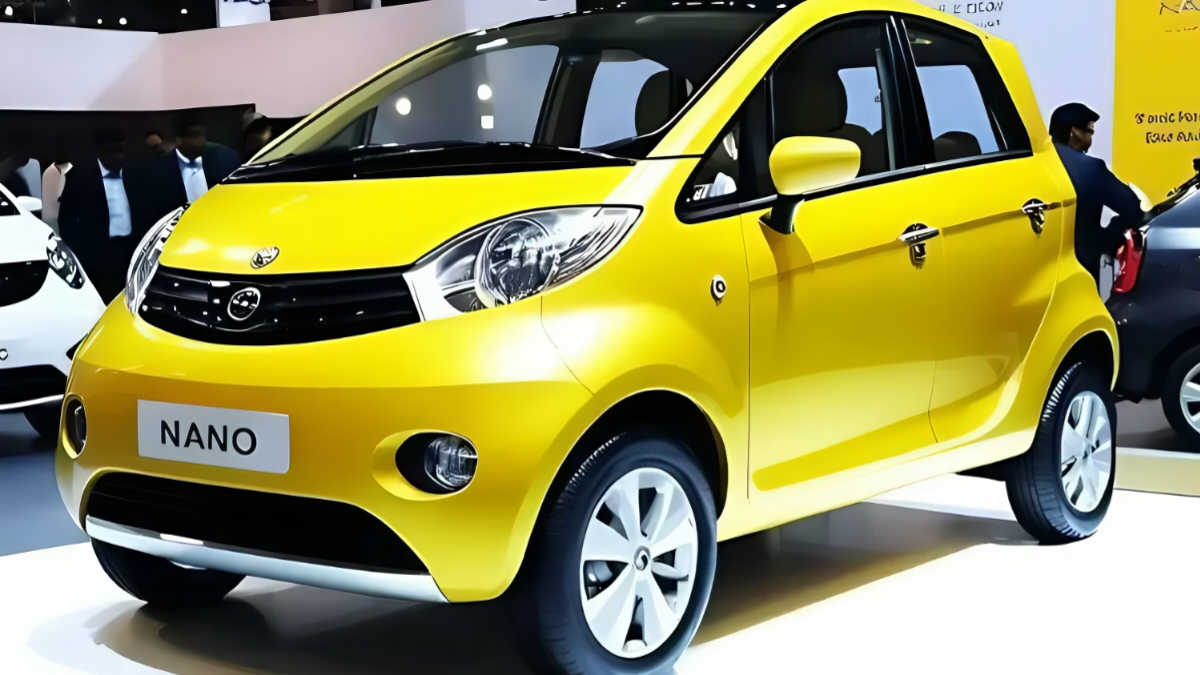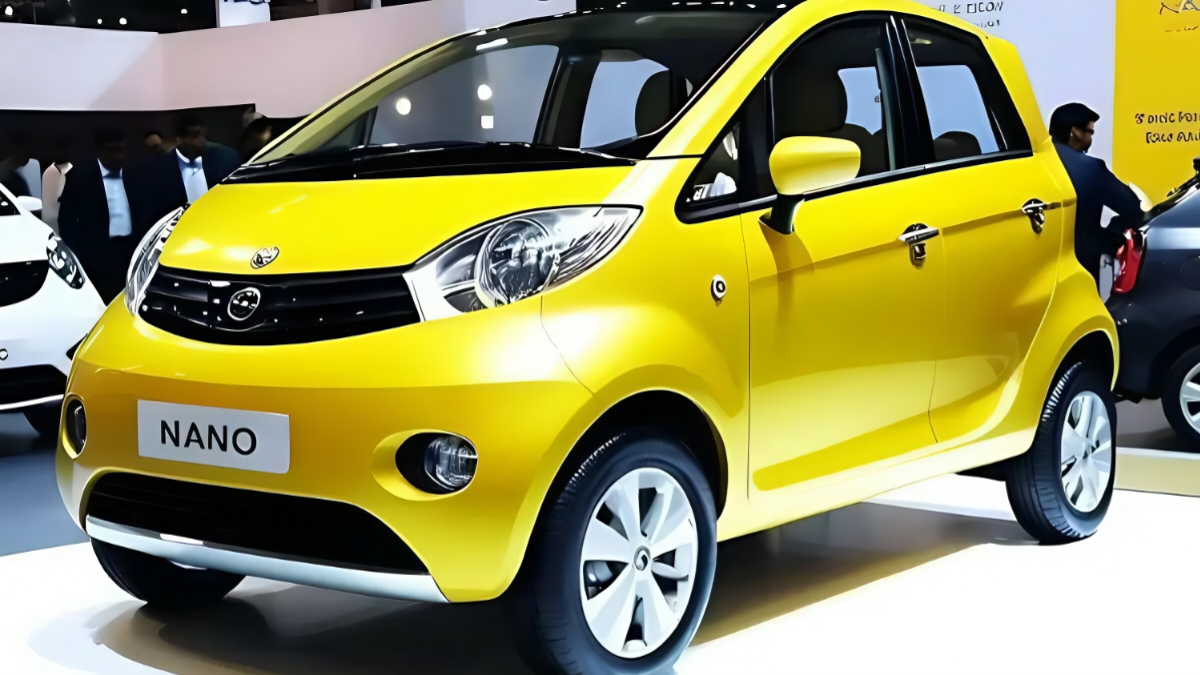
Tata Nano EV 2026: The Indian automotive market is buzzing with anticipation as reports emerge about Tata Motors planning to revive the iconic Nano brand with an all-electric version in 2026. The original Tata Nano, once promoted as the world’s cheapest car, struggled to find success despite its affordability. Now, the automotive giant appears ready to give this household name a second chance by reimagining it as an electric vehicle tailored for urban Indian buyers.
Redesigned Electric Powertrain Technology
The heart of the Tata Nano EV 2026 lies in its reported electric powertrain, which marks a complete departure from the previous petrol engine. Industry sources indicate that Tata Motors has developed a new electric motor specifically engineered for urban efficiency rather than high-speed performance. This motor is designed to deliver instant torque at lower speeds, making it ideal for navigating stop-and-go traffic conditions common in Indian cities. The silent operation characteristic of electric motors will also enhance the driving experience in congested areas.

While exact power output specifications remain undisclosed, the focus appears to be on reliability, energy efficiency, and low operating costs. The electric motor’s design philosophy prioritizes consistent performance throughout the vehicle’s operational range rather than peak power figures. This approach aligns with the needs of typical city commuters who value dependability and running economy over acceleration times. The integration of regenerative braking technology is also expected, helping to extend the driving range by recovering energy during deceleration and converting it back into stored battery power.
Battery Range and Real-World Performance
One of the most critical aspects of any electric vehicle is its practical driving range, and the Tata Nano EV 2026 reportedly addresses this with a realistic approach. The anticipated range of 200 to 250 kilometers under real-world conditions appears carefully calibrated for Indian urban usage patterns. This range comfortably covers daily office commutes, school runs, shopping trips, and short intercity travel without triggering range anxiety. The battery pack is expected to incorporate thermal management systems to maintain optimal performance across India’s varied climate zones.
Tata Motors has apparently optimized the battery efficiency to ensure stable performance regardless of traffic density or weather conditions. The range estimate factors in real-world variables like air conditioning use, traffic congestion, and varied terrain, making it more trustworthy than laboratory test figures. For the average Indian urban commuter who travels 30 to 50 kilometers daily, this range provides multiple days of driving between charges. The battery chemistry and capacity details remain speculative, but the emphasis appears to be on longevity and consistent performance throughout the vehicle’s lifecycle.
यह भी पढ़े:
 Tata Nano Electric 2026 Big Update : 900 Km Range, 150 km/h Speed, 5‑Star Safety & Price ₹95000 Only
Charging Infrastructure and Convenience
Charging convenience represents a crucial factor in electric vehicle adoption, and the Tata Nano EV 2026 is reportedly designed with practical charging solutions. The vehicle is expected to support standard home charging using regular electrical outlets, allowing owners to fully replenish the battery overnight during off-peak electricity hours. This approach eliminates the need for specialized home charging equipment in most cases, reducing the initial investment required for EV ownership. The overnight charging capability means users can start each day with maximum range available.
Additionally, fast-charging support is anticipated for situations requiring quicker battery replenishment. While specific charging time figures haven’t been confirmed, fast-charging capabilities could potentially restore a significant portion of the battery capacity within 30 to 45 minutes at compatible charging stations. As India’s public charging infrastructure continues expanding in major cities, this dual charging approach provides flexibility for different user scenarios. The charging port location and cable management solutions are expected to be user-friendly, considering that many first-time EV buyers may be unfamiliar with electric vehicle charging procedures.
Interior Design and Feature Package
The cabin of the Tata Nano EV 2026 is expected to reflect modern automotive standards while maintaining practical simplicity. Reports suggest a refreshed interior layout focusing on functionality and everyday usability rather than luxury appointments. A digital instrument cluster may replace traditional analog gauges, providing clear information about battery status, remaining range, and power consumption. Basic infotainment connectivity features are anticipated, potentially including smartphone integration for navigation and entertainment functions.

Comfort improvements over the original Nano appear likely, with better seat cushioning and improved materials throughout the cabin. Enhanced sound insulation could make the interior quieter, complementing the naturally silent electric drivetrain. Climate control efficiency is particularly important in electric vehicles to minimize battery drain, so the air conditioning system may incorporate energy-saving technologies. Storage solutions for personal items, charging ports for mobile devices, and practical cabin space utilization are expected to address the needs of daily urban driving scenarios.
Safety Standards and Structural Improvements
Safety considerations appear to be a significant priority for the Tata Nano EV 2026, reflecting Tata Motors’ evolved approach to vehicle safety in recent years. The original Nano faced criticism regarding safety features, but the electric version is reportedly addressing these concerns comprehensively. Dual front airbags are expected as standard equipment, along with anti-lock braking systems combined with electronic brake-force distribution for better control during emergency braking situations. Rear parking sensors may assist with maneuvering in tight urban spaces.
The body structure is anticipated to incorporate a stronger framework, potentially using high-strength steel in critical areas to improve crash protection. The battery pack placement typically enhances vehicle stability and crash safety in electric vehicles, as the low center of gravity reduces rollover risk. Additional safety features might include speed alerts, seatbelt reminders, and possibly even basic driver assistance technologies depending on the final specification. These improvements could help the Nano EV achieve better safety ratings compared to its predecessor, making it more appealing to families concerned about occupant protection.

Market Positioning and Target Audience
The Tata Nano EV 2026 appears strategically positioned to capture a specific segment of the Indian automotive market that has remained largely underserved in the electric vehicle space. The target audience includes first-time car buyers, young professionals, small families, and urban commuters seeking affordable sustainable transportation. The compact dimensions make it particularly suitable for crowded city environments where parking space is limited and narrow lanes are common. The zero-emission operation aligns with increasing environmental consciousness among Indian consumers.
With the rumored pricing starting around ₹5 lakh, the vehicle could compete directly with entry-level petrol cars while offering lower running costs. Government subsidies and state-level incentives for electric vehicles could further reduce the effective purchase price, making it even more accessible. The Nano EV’s market success will likely depend on addressing concerns that plagued the original model, particularly regarding build quality perception and brand image. If Tata Motors can position it as a smart, modern choice rather than a budget compromise, the vehicle could attract buyers who view it as a progressive decision rather than a financial necessity.
Disclaimer: The information presented in this article is based on industry reports, leaks, and speculative sources circulating in automotive media. Tata Motors has not officially confirmed the Tata Nano EV 2026 project, its specifications, features, pricing, or launch timeline. All details including the electric motor specifications, driving range, charging capabilities, safety features, interior amenities, and price points mentioned are based on unverified sources and should be considered tentative until official announcements are made by the manufacturer. Potential buyers should wait for official confirmation from Tata Motors before making any purchase decisions. Specifications, features, and pricing are subject to change and may vary significantly from the information discussed in this article.