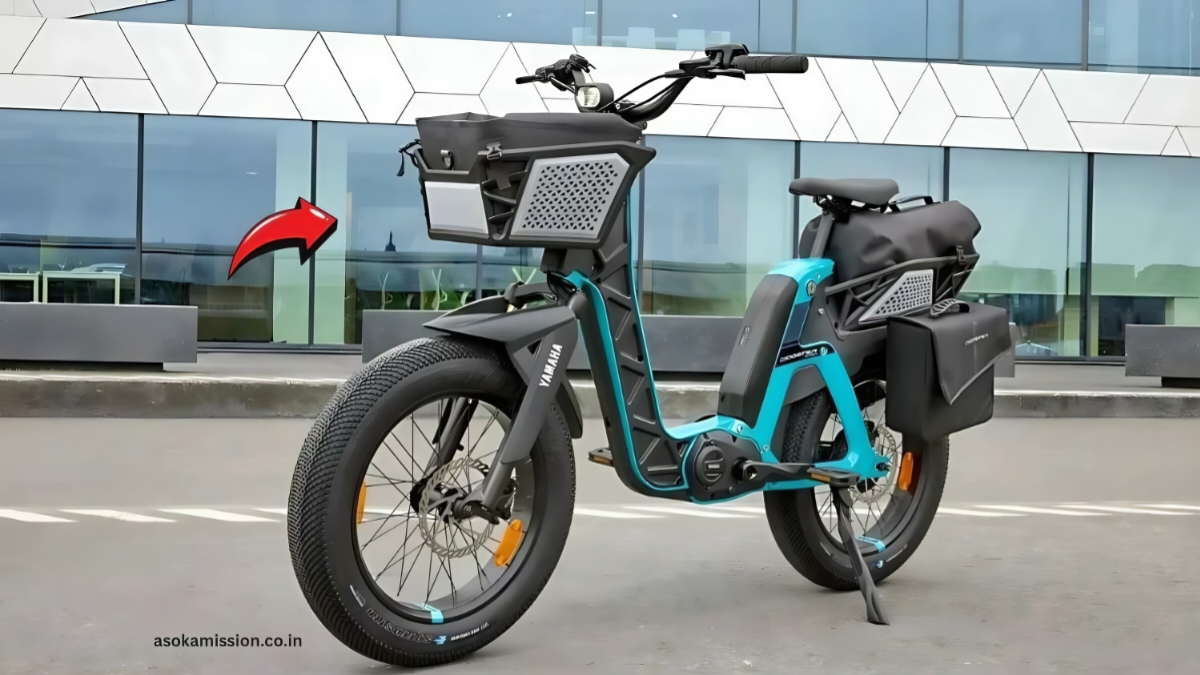
Yamaha Electric Cycle Launched: Yamaha has officially stepped into India’s fast-growing electric mobility space with the launch of its new electric cycle, aimed at everyday urban commuters. The Yamaha Electric Cycle Launched announcement has attracted attention because it combines a trusted two-wheeler brand with affordable electric transportation. Introduced for Indian city conditions, this electric cycle targets office-goers, students, and riders looking for a clean and cost-effective daily travel option. With fuel prices remaining unpredictable and traffic congestion rising, lightweight electric cycles are becoming a practical solution for short and medium-distance travel.
The launch matters because it reflects a broader shift in how Indian commuters are rethinking mobility. Yamaha’s entry brings credibility to the electric cycle segment, which has largely been driven by startups until now. Priced from ₹55,000, the model focuses on simplicity, efficiency, and smart features rather than unnecessary complexity. With a 250W motor, long claimed range, and digital connectivity, Yamaha is positioning this electric cycle as a dependable alternative to petrol-powered two-wheelers and conventional bicycles, especially for daily city use.
250W Motor Performance for Daily City Riding
The Yamaha electric cycle uses a 250W motor that is tuned for smooth and predictable power delivery rather than aggressive acceleration. This setup is ideal for Indian city traffic, where frequent stops, narrow lanes, and mixed road conditions are common. The motor provides enough torque to handle flyovers and mild inclines without forcing riders to pedal hard. For daily commutes, this balance ensures that rides remain comfortable and fatigue-free, even during longer travel within city limits.

Another benefit of the 250W configuration is efficiency. Since the motor output is optimised, battery consumption remains controlled, allowing riders to maximise range. Yamaha’s engineering focus is clearly on reliability and consistency rather than raw speed. For office commuters and casual riders, this approach makes sense. It reduces maintenance stress and ensures that performance remains stable over time, which is especially important for users shifting from traditional bicycles to electric-assisted mobility.
48V Battery and Claimed 120KM Riding Range
One of the most discussed aspects of the Yamaha electric cycle is its claimed 120KM range. The cycle uses a 48V battery system designed to support long-distance riding under pedal-assist conditions. For most urban users, this means several days of commuting on a single charge. Yamaha’s battery management system is built to distribute power efficiently, adjusting output based on riding mode and terrain to avoid unnecessary energy loss.
The long range also reduces charging anxiety, a common concern among new electric vehicle buyers. Riders can plan daily travel without constantly worrying about battery levels. While real-world range may vary depending on load, speed, and riding style, the high claimed figure positions this electric cycle as a practical solution for extended city use. This feature strengthens Yamaha’s appeal among cost-conscious users who want low running expenses.
यह भी पढ़े:
 Tata Nano Electric 2026 Big Update : 900 Km Range, 150 km/h Speed, 5‑Star Safety & Price ₹95000 Only
Smart Digital Display and Connected Features
Yamaha has equipped the electric cycle with a smart digital display that provides essential riding information in real time. The screen shows speed, battery status, distance covered, and pedal-assist levels, allowing riders to stay informed without distraction. This feature adds a modern touch and aligns with the expectations of younger, tech-aware commuters who value digital integration in their vehicles.
The display also helps riders manage power usage more effectively. By monitoring battery levels and selecting suitable assist modes, users can extend riding range and adapt to different road conditions. Yamaha’s focus on simplicity ensures that the interface remains easy to understand, even for first-time electric cycle users. This combination of technology and ease of use enhances overall riding confidence and daily convenience.
Comfort-Oriented Design and Urban Styling
Comfort has been a key design priority for Yamaha’s electric cycle. The frame geometry supports an upright riding posture, reducing strain on the back and shoulders during daily travel. A well-cushioned seat and shock-absorbing elements help manage uneven roads and speed breakers commonly found in Indian cities. Adjustable components make the cycle suitable for riders of different heights, improving overall usability.

In terms of appearance, the electric cycle carries a clean and modern design that blends well with urban lifestyles. Subtle branding, sleek frame lines, and contemporary colour options give it a premium yet practical look. Yamaha has avoided overly aggressive styling, choosing instead a balanced design that appeals to a wide age group. This makes the cycle suitable for both professional commuting and casual recreational riding.
Affordable Pricing and Daily Cost Benefits
With a starting price of ₹55,000, the Yamaha electric cycle is positioned as an accessible entry point into electric mobility. This pricing places it within reach of students, office-goers, and families seeking a second vehicle for short-distance travel. Compared to petrol-powered scooters, the upfront cost may be similar, but long-term savings on fuel and maintenance make the electric cycle financially attractive.
Running costs remain minimal since electricity consumption is low and mechanical complexity is limited. There is no fuel dependency, fewer moving parts, and reduced service requirements. Over time, these factors translate into significant savings. Yamaha’s pricing strategy reflects an understanding of Indian consumer priorities, where value for money and long-term affordability often matter more than high-end specifications.

Yamaha Brand Trust and After-Sales Confidence
Yamaha’s entry into the electric cycle segment brings the advantage of brand trust. With decades of experience in two-wheeler manufacturing, the company is known for quality control, durable components, and consistent performance. This reputation reassures buyers who may be hesitant to invest in electric cycles from lesser-known brands. Yamaha’s engineering standards add credibility to the product’s claims.
Another key factor is after-sales support. Yamaha’s established service network across India is expected to handle maintenance and support for the electric cycle. This reduces ownership concerns related to repairs and spare parts availability. For first-time electric mobility users, this level of support can be a deciding factor. Brand-backed reliability often plays a major role in long-term customer satisfaction.
Disclaimer: The information in this article is based on available launch details and company-shared specifications at the time of writing. Features, pricing, range figures, and availability may vary depending on location and real-world usage conditions. Readers are advised to check official Yamaha sources or authorised dealers for the latest updates before making a purchase decision.