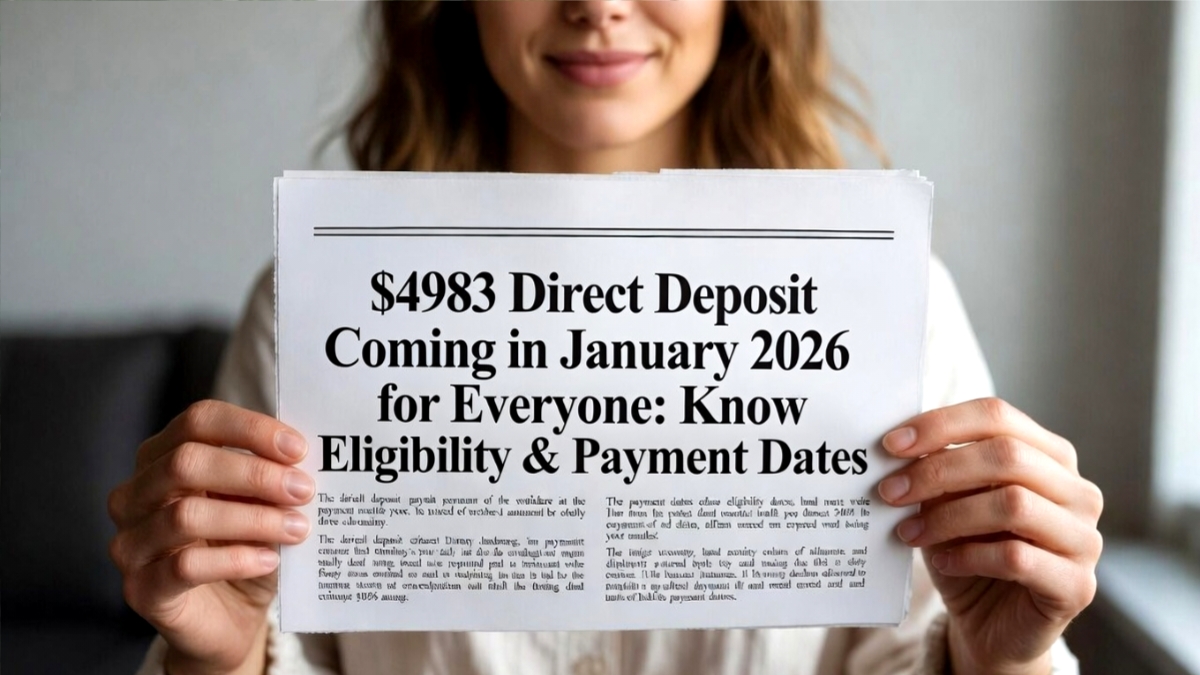
$4983 Direct Deposit Coming in January 2026: As January 2026 approaches, many Americans are paying close attention to news about a possible $4,983 direct deposit. Rising living costs, medical expenses, and housing bills have made any government payment an important topic of discussion. For people who rely on federal or state benefits, a deposit of this size could offer meaningful relief at the start of the year.
The growing attention around this payment has also created confusion. Some believe it is a brand-new stimulus program, while others are unsure who qualifies or when the money will arrive. Understanding what the $4,983 direct deposit represents helps people plan better and avoid false expectations.
Why the $4,983 Direct Deposit Is Being Discussed
The $4,983 amount is being discussed because it may reflect a combined or adjusted payment tied to existing government benefit programs. In many cases, large deposits like this come from accumulated benefits, cost-of-living adjustments, tax credits, or corrections processed at the beginning of a new year.
यह भी पढ़े:
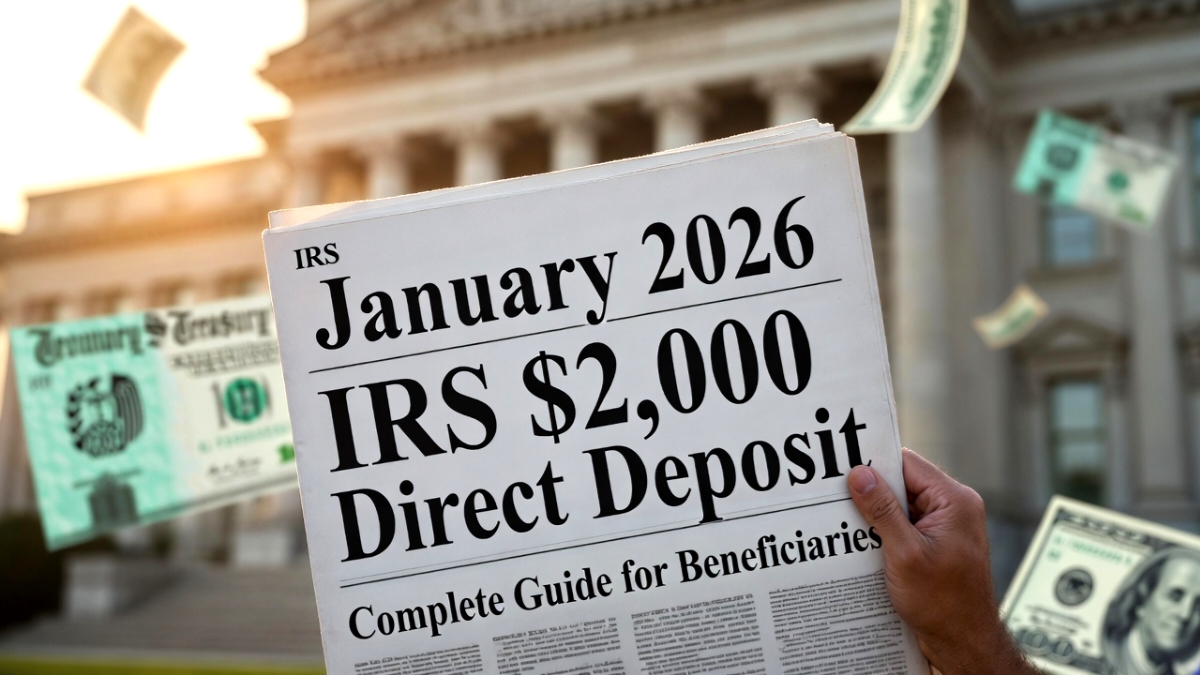
 $2,000 Direct Deposit January 2026 Explained: Eligibility, Payment Dates, and IRS Instructions
January is a common time for such payments because benefit systems reset, adjustments take effect, and updated records are applied. This timing makes January 2026 a realistic period for eligible recipients to receive higher-than-usual deposits without the launch of a new nationwide program.
What the $4,983 Payment Represents
The $4,983 direct deposit is not a universal payment sent to every American. Instead, it likely represents a combined amount based on individual eligibility. This may include benefit adjustments, accumulated payments, or credits issued through approved federal or state programs.
The exact amount a person receives can vary. Some recipients may see the full amount, while others may receive slightly more or less depending on their benefit category, income level, or previous payments. This explains why not everyone will see the same deposit.
यह भी पढ़े:
 Federal $2,000 Deposit January 2026 – Beneficiaries Are Checking Accounts (Full Guide Inside)
Who May Be Eligible for the January 2026 Payment
Eligibility for the $4,983 direct deposit depends on participation in existing assistance programs. Individuals who are already enrolled in federal or state benefit systems and meet income or eligibility guidelines are more likely to qualify.
Retirees, disabled individuals, and families receiving assistance often receive payments automatically if their records are complete. Filing required tax or benefit documents on time and having updated personal information plays a major role in determining eligibility.
Why Not Everyone Will Receive $4,983
It is important to understand that this payment is not guaranteed for everyone. Eligibility is based on specific criteria rather than citizenship alone. People who do not meet program requirements or have incomplete records may not receive this amount.

In some cases, the payment reflects combined benefits rather than a single program. This means two people in similar situations may receive different amounts. Understanding this prevents disappointment and unrealistic expectations.
How the Payment Will Be Sent
The primary method for issuing the $4,983 payment is direct deposit. This allows funds to be transferred electronically into registered bank accounts or prepaid benefit cards. Direct deposit is preferred because it is faster and more secure.
For recipients who do not have direct deposit information on file, payments may be sent by paper check. These checks can take longer to arrive due to processing and mailing time. Keeping banking information up to date helps avoid delays.
यह भी पढ़े:
 $2,000 Direct Deposit in January 2026: Who Qualifies, Payment Timing, and What’s Official
Expected Timing of the January 2026 Deposit
While the payment is expected in January 2026, there is no single fixed date for everyone. Many recipients may see the deposit early in the month, especially if their information is already verified and no corrections are needed.
Some deposits may be delayed due to weekends, holidays, or bank processing schedules. Checking official payment calendars and monitoring bank accounts can help recipients stay informed about timing.
How This Payment Can Help Households
For many households, a $4,983 deposit can provide short-term financial stability. It may help cover rent, utilities, groceries, transportation, or medical expenses that often increase during winter months.
Some recipients may choose to use part of the money to pay off existing debts, reducing financial pressure going forward. Others may set aside a portion for emergency savings, which can provide peace of mind during uncertain times.
Preparing to Receive the Payment
Preparing for the payment involves making sure all records are accurate. This includes confirming bank account details, updating addresses, and ensuring that required forms are filed on time. Small errors can delay or reduce payments.
Staying informed through official sources is also important. Government agencies do not ask for personal information through unsolicited messages. Ignoring unofficial requests helps protect against scams.

Avoiding Misinformation and Scams
Large payment amounts often attract misleading claims online. Some messages may promise guaranteed payments or ask recipients to take unnecessary actions. These claims should be treated with caution.
Official agencies announce payments through trusted channels, not social media messages or emails asking for sensitive details. Verifying information before acting is the safest approach.
The $4,983 direct deposit expected in January 2026 can be a meaningful source of support for eligible recipients. While it is not a new stimulus program, it reflects adjustments and benefits already built into government systems.

Understanding how the payment works allows recipients to plan with confidence. Staying informed, keeping records updated, and avoiding rumors helps ensure that any eligible payment is received smoothly and on time.
Disclaimer
This article is for informational purposes only. The $4,983 direct deposit is not a guaranteed or universal payment, and eligibility, amounts, and timelines depend on individual circumstances and official government policies, which may change. Readers should consult official government websites or qualified professionals for guidance related to their personal financial situation.