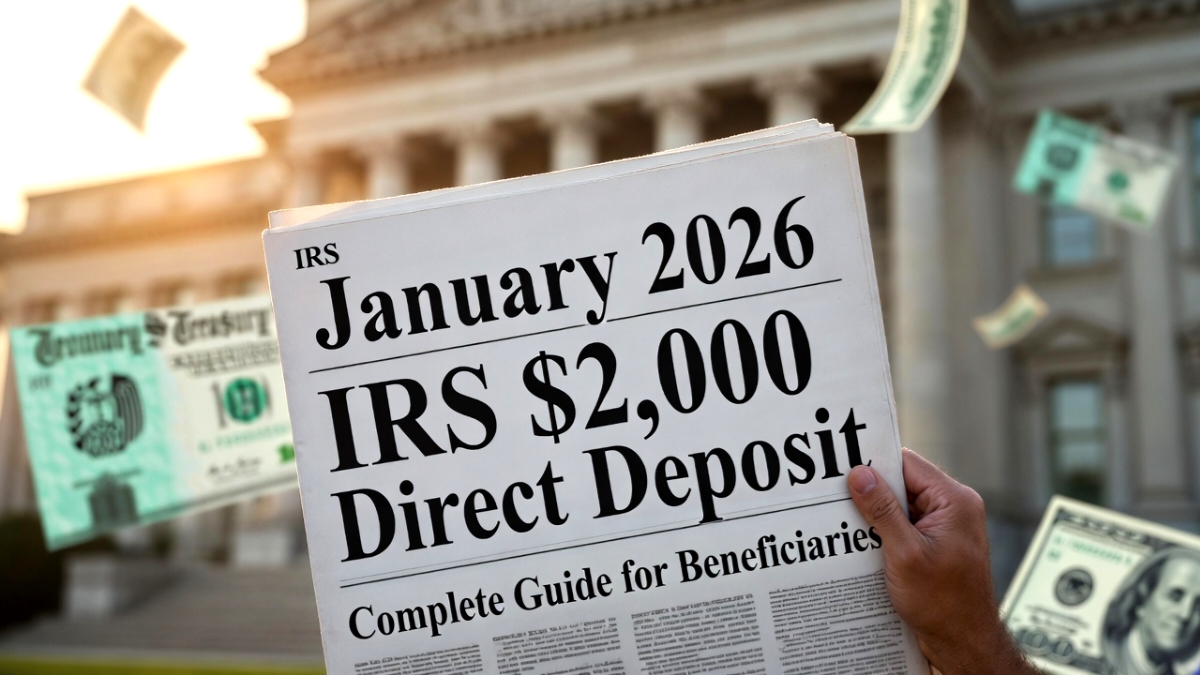
Federal $2,000 Deposit January 2026: As January 2026 begins, many Americans are paying close attention to their finances. Rising prices, medical expenses, rent, and daily household costs have made budgeting more difficult for millions of families. In this situation, news and online discussions about a possible $2,000 federal deposit have created a lot of interest. Some people see it as a sign of relief, while others are unsure if it is real or just another online rumor.
It is important to understand what this $2,000 federal deposit actually means. This payment is not a new stimulus check announced for everyone. Instead, it refers to payments that come from existing federal programs. These payments are already part of the system and are issued based on eligibility, tax records, or benefit adjustments.
Understanding the Federal $2,000 Deposit
The federal $2,000 deposit being discussed is not a single program or a newly approved payment. In most cases, it includes money sent through the IRS or other federal agencies. These deposits can come from tax refunds, refundable tax credits, benefit adjustments, or delayed payments from earlier filings. The amount may be close to $2,000, which is why many people are using that figure.
यह भी पढ़े:
 $2,000 Direct Deposit January 2026 Explained: Eligibility, Payment Dates, and IRS Instructions
These payments are usually automatic. If someone qualifies, the money is sent using the information already on file. There is usually no need to apply again. This is why many deposits arrive quietly without public announcements, leading to confusion when people suddenly notice money in their bank accounts.
Why January Is an Important Month for Federal Payments
January is one of the busiest months for federal payment processing. The IRS begins working on the new tax year, and many pending transactions from the previous year are finalized. Benefit recalculations also take effect at the start of the year, especially for seniors and individuals receiving federal assistance.
Because of this timing, many payments are released in January. These include corrected refunds, approved credits, and benefit updates. While these payments are routine, they often feel more noticeable in January because people are recovering from holiday expenses and winter bills.
यह भी पढ़े:
 Federal $2,000 Deposit January 2026 – Beneficiaries Are Checking Accounts (Full Guide Inside)
Who May Receive a $2,000 Federal Deposit
Eligibility for these payments depends on the specific federal program involved. Taxpayers who qualify for refundable tax credits may receive deposits once their records are processed. Seniors and retirees receiving federal benefits may see adjustments reflected in January payments. Individuals with approved but delayed refunds may also receive lump sums during this time.
Families with income levels that fall within program limits may benefit as well. In most cases, eligibility is already determined using tax filings or benefit records. If taxes were filed correctly and bank details are up to date, the payment usually happens without any action from the recipient.
How and When Payments Are Sent
There is no single nationwide payment date for federal deposits. Payments are released in phases throughout January. Some people receive funds early in the month, especially benefit-related payments. Others may see deposits in the middle or later part of January, depending on review and processing timelines.

Direct deposit is the fastest and most common method. Paper checks take longer and may arrive weeks later. In certain cases, prepaid debit cards are used. The method depends on what information is already on file with the IRS or the relevant federal agency.
Steps to Avoid Delays or Missed Payments
To avoid problems, it is important to keep personal records updated. Checking an IRS online account can help track refunds or credits. Ensuring that bank account details are accurate is also essential. One of the most common reasons for delays is missing or incorrect information.
Unfiled tax returns can also stop payments from being released. Federal agencies strongly advise people to complete all required filings. It is also important to stay alert for scams. Government agencies do not ask for personal details through text messages or social media.
यह भी पढ़े:
 $2,000 Direct Deposit in January 2026: Who Qualifies, Payment Timing, and What’s Official
Why Online Confusion Keeps Spreading
Much of the confusion around the $2,000 deposit comes from social media and misleading headlines. Many posts suggest that a new stimulus check has been approved, which is not true. These posts often mix real payments with exaggerated claims, causing unnecessary stress and false expectations.
In reality, most January deposits are routine payments that have always existed. They are tied to tax refunds, benefit updates, or corrections. Understanding this helps people separate facts from online rumors and avoid disappointment.
What to Do If You Do Not Receive Any Payment
If you believe you are eligible but do not receive a deposit, patience is important. Processing delays are common in January due to high volume. Checking official IRS or benefit portals can provide updates on payment status.

Sometimes additional verification is required, and agencies may send notices requesting information. If delays continue, contacting official support channels is the safest option. In many cases, issues are resolved once records are reviewed and updated.
Final Thoughts on the January 2026 Federal Deposit
The discussion around a federal $2,000 deposit in January 2026 reflects a larger reality. Many Americans are financially cautious and hopeful for relief. While there is no universal stimulus check, existing federal programs continue to provide assistance to eligible individuals.
Staying informed, avoiding misinformation, and keeping records accurate is the best approach. Federal payments often arrive quietly, but when they do, they can offer meaningful support during challenging times. Understanding how the system works helps people stay prepared and confident.

Disclaimer
This article is for informational purposes only. It does not guarantee any payment or confirm eligibility for any federal program. Federal payment amounts, timelines, and eligibility rules are subject to change based on official government policies. Readers are advised to verify information through official IRS or government websites and consult a qualified professional for personal financial guidance.