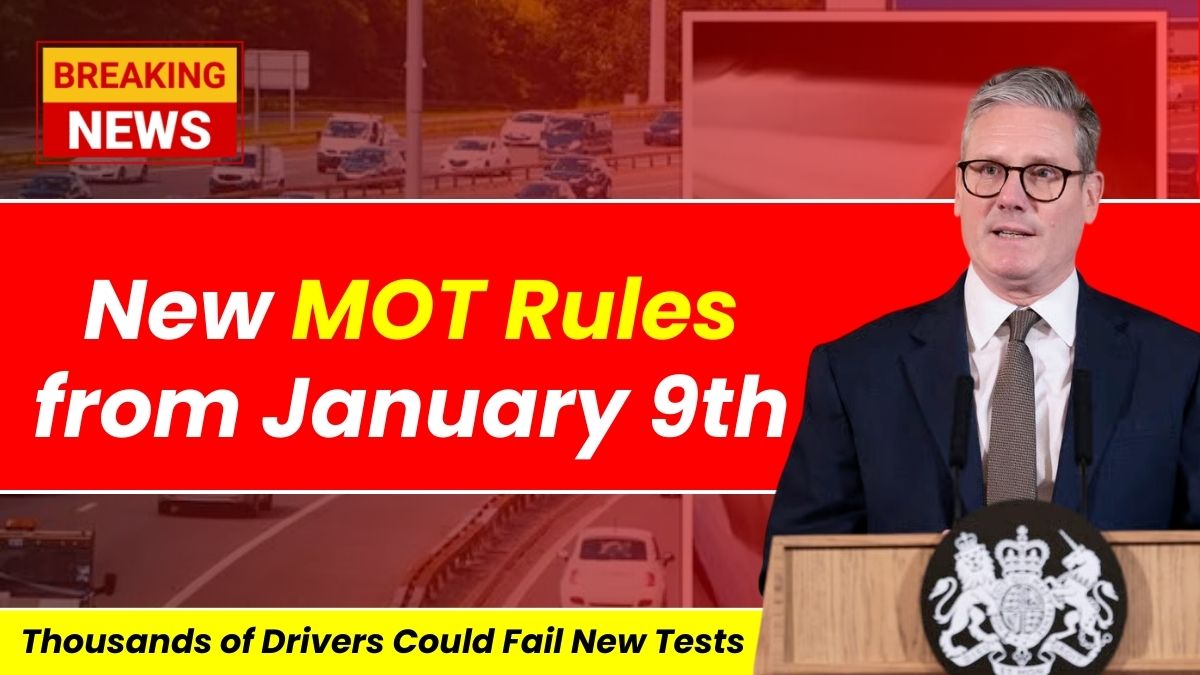
New MOT Rules – Major MOT rule updates are coming into force on January 9, 2026, and many UK drivers may not realise how much these changes could affect them. The Driver and Vehicle Standards Agency is tightening several inspection standards, which means more vehicles could fail their MOT, face advisory notices, or require repairs sooner than expected.
These updates are aimed at improving road safety and keeping older or poorly maintained vehicles off the road. However, for everyday drivers, van owners, and small fleet operators, the changes could mean higher costs and unexpected inconvenience if they are not prepared.
Why These MOT Changes Are Being Introduced
The DVSA says the January 2026 updates are part of a wider effort to modernise MOT testing and reflect how vehicles have changed in recent years. Cars now rely heavily on electronic systems, advanced safety features, and emissions technology that was not common when many MOT rules were first written.
Diesel vehicle owners, high-mileage drivers, van users, and fleet managers should also pay close attention. Vehicles used regularly for work tend to experience faster wear and tear, making them more vulnerable to stricter inspection standards.

Changes to Safety System Checks
One of the biggest shifts in the January 2026 MOT update is the increased focus on electronic safety systems. Features such as warning lights, sensors, and driver assistance systems will be examined more closely.
If a dashboard warning light is illuminated for systems like airbags, ABS, electronic stability control, or lane assist, it could result in a fail rather than an advisory. Even if the vehicle appears to drive normally, the MOT now places more weight on these systems functioning correctly.
Emissions and Environmental Standards Tightened
Emissions testing is also becoming more demanding. Vehicles that previously passed with borderline results may now fail if they exceed updated limits or show signs of tampering.

Diesel particulate filters, exhaust sensors, and emissions control components will be checked more thoroughly. Missing or modified emissions parts are more likely to result in an immediate fail, particularly on diesel vehicles. This change is expected to catch drivers who delay repairs or ignore warning signs.
Tyres, Suspension, and Wear Items Under Closer Scrutiny
Wear-and-tear components such as tyres, suspension parts, and steering systems will face more detailed inspections. Tyres with uneven wear, borderline tread depth, or sidewall damage are more likely to trigger failures.
Suspension issues that were previously marked as advisories may now be classed as defects if they affect vehicle stability or safety. Drivers who postpone routine maintenance could find themselves facing repair bills sooner than expected.

Increased Risk of MOT Failures
With stricter standards across multiple areas, MOT failure rates are expected to rise. This does not mean vehicles are suddenly unsafe, but it does mean the margin for passing is narrower.
Drivers who rely on advisories as a reason to delay repairs may no longer have that option. What used to be a warning could now result in a fail, requiring immediate action before the vehicle can be legally driven again.
Financial Impact on Drivers
One of the biggest concerns for drivers is cost. Repairs to electronic safety systems and emissions components can be expensive, especially on older vehicles where parts and labour add up quickly.

Failing an MOT can also mean being without a vehicle for days or weeks while repairs are completed. For people who rely on their car for work, caring responsibilities, or daily living, this disruption can be significant.
What Drivers Should Check Before Their Next MOT
Preparation is more important than ever under the new rules. Drivers are strongly advised to address warning lights as soon as they appear rather than waiting until MOT time.
Checking tyres, brakes, lights, suspension noises, and emissions-related issues in advance can reduce the risk of failure. A pre-MOT inspection or basic service could help identify problems early and spread costs over time rather than facing a large bill all at once.
Impact on Vans and Fleet Vehicles
Vans and fleet vehicles are likely to feel the impact more than private cars. Higher mileage, heavier loads, and frequent use increase wear on key components.
Fleet managers may need to adjust maintenance schedules and budgets to account for the tougher MOT standards. Failing to do so could result in multiple vehicles being taken off the road at the same time, disrupting operations.
Will These Changes Improve Road Safety
Supporters argue that the tighter MOT rules will remove unsafe vehicles from UK roads and reduce accidents caused by mechanical failure. Modern vehicles rely heavily on electronic systems, and ensuring these work correctly is seen as a necessary step forward.

Critics, however, believe the changes unfairly penalise drivers who are already struggling with rising living costs. They argue that some failures relate more to technology than actual roadworthiness, placing extra pressure on low-income households.
What Happens If You Ignore the New Rules
Driving without a valid MOT is illegal and can lead to fines, penalty points, and insurance problems. Under the new rules, failing an MOT may happen more easily, so ignoring issues is riskier than before.
If a vehicle is deemed dangerous, it cannot be driven away from the test centre except for repairs. This makes preparation essential to avoid sudden loss of transport.

Final Thoughts
The January 9, 2026 MOT updates represent one of the biggest shifts in vehicle testing in recent years. While the goal is improved safety and environmental standards, drivers who are not prepared could face higher costs and unexpected failures.
Staying informed, maintaining your vehicle properly, and acting early on warning signs can help reduce the impact. Whether you support or criticise the changes, one thing is clear: ignoring them could leave you caught off guard.
Disclaimer

This article is for general information purposes only and does not constitute legal, mechanical, or motoring advice. MOT rules, testing standards, and enforcement practices may change, and individual vehicle outcomes can vary. Drivers should always check official DVSA guidance and consult a qualified mechanic or MOT testing centre for vehicle-specific advice. The information provided does not guarantee an MOT pass or failure outcome.
