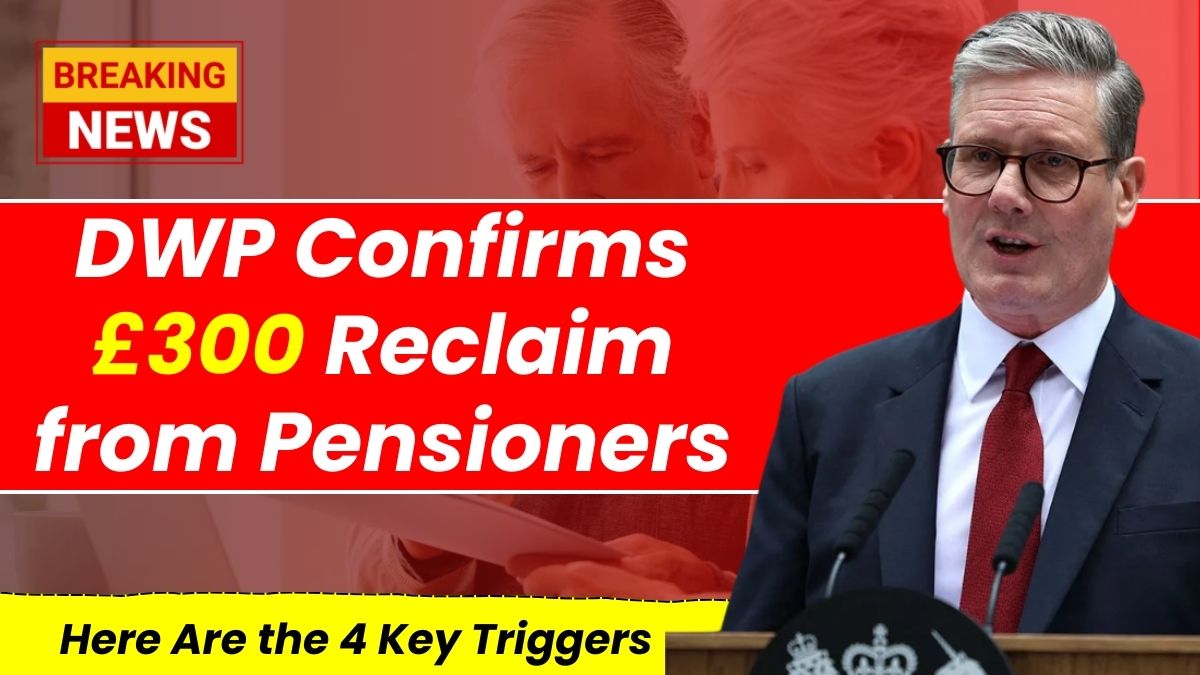
DWP Confirms £300 Reclaim – The headline “DWP to Reclaim £300 From State Pensioners” has caused quite a stir across the UK. Retirees, families, and financial advisors are all asking what this actually means and whether they could be affected. The truth is, the Department for Work and Pensions (DWP) isn’t randomly taking money back. These reclaims usually happen because long-standing rules are being more strictly applied, income thresholds have been updated, and government policies have changed.
This article explains why the DWP may reclaim up to £300 from pensioners, how the process works, and what steps you can take to avoid problems. Whether you’re a retiree, supporting an older family member, or advising clients, you’ll get a clear overview of everything you need to know.
Understanding the Winter Fuel Payment
The Winter Fuel Payment is an annual, non-taxable benefit given to people who have reached State Pension age. Its main purpose is to help older individuals pay for heating during the cold winter months. The amount you receive varies depending on your age and circumstances, usually ranging from £100 to £300. Most payments are made automatically between November and January, so you don’t need to apply.
For instance, Margaret, aged 70, received £300 in December 2024. Her total income from her pension, freelance work, and rental property came to £36,800 for the year. In March 2025, HMRC reduced her monthly pension by £25 over the following year to recover the overpayment.

Another reason for reclaims is changes in eligibility rules. Over the past few years, government policies around the Winter Fuel Payment have shifted. At one point, the payment was considered for means-tested recipients only, such as those receiving Pension Credit. Although this idea was later reversed in 2025, it caused some confusion. Pensioners who received payments while technically ineligible under interim rules may now be asked to repay them. Confusion has also arisen because of cost-of-living payments introduced during the pandemic and energy crises, which some retirees mistakenly assume are part of the Winter Fuel Payment, even though different rules apply.
System errors can also trigger a reclaim. Occasionally, the DWP or HMRC issues overpayments due to administrative mistakes, such as delayed updates to income or marital status, system glitches, or incorrect personal information. Even if these errors aren’t the recipient’s fault, the government has the legal right to recover the money. In some hardship cases, it is possible to request a discretionary waiver or arrange a repayment plan, but acting quickly is essential, as time limits apply for appeals.
Finally, unreported changes in circumstances can lead to repayments. The DWP relies on timely and accurate updates from recipients to ensure benefits remain correct. Life changes such as moving abroad for more than four weeks, starting work or additional income, changing marital status, or receiving new benefits can all affect eligibility. If these changes aren’t reported, the Winter Fuel Payment may be classified as an overpayment, and pensioners may be asked to repay it, sometimes years later. Keeping personal information and income details up to date with HMRC and the DWP is crucial.

How the Reclaim Process Works
The process usually starts when the Winter Fuel Payment is made, generally automatically between November and January. At the end of the tax year, HMRC reviews your total taxable income. If your income exceeds £35,000 or you are otherwise ineligible, HMRC may trigger a reclaim. You will then receive a notice explaining why repayment is required and how it will be collected. Funds are typically recovered either through a tax code adjustment, which reduces future pension payments, or via direct repayment. Recipients do have the right to dispute or appeal the reclaim. Professional advice or contacting Citizens Advice can help guide you through this process and ensure your case is handled correctly.
Preparing to Avoid a Reclaim
To reduce the risk of a reclaim or make the process smoother if it happens, it helps to estimate your annual income in advance and leave a small buffer if your earnings are close to the £35,000 threshold. Monitoring all sources of income, including investments, annuities, rental income, or any side work, is also important. If you believe you’re ineligible, it’s possible to opt out by notifying the DWP before the payment is made. Keeping all communication channels open and updating HMRC and the DWP about changes in income, living situation, or other benefits can help prevent accidental overpayments. Maintaining accurate records and documentation is also key in case a reclaim notice arrives, as this can support your appeal or help correct any errors.
What Financial Advisors Should Know
For professionals supporting older clients, it’s important to include the Winter Fuel Payment in annual tax planning and cash flow reviews. Advisors should factor the payment into tax code considerations and remind clients of their reporting responsibilities to avoid overpayments. Watching out for overlaps with other benefits, like Warm Home Discount or cost-of-living payments, is also vital. Educating clients about the possibility of a reclaim and helping them prepare in advance can prevent unnecessary stress and financial complications.

Common Misconceptions About the Winter Fuel Payment
Many people misunderstand how the Winter Fuel Payment works. One common belief is that once the money is received, it is automatically yours to keep. This is not true. Payments can be reclaimed if eligibility or income changes. Another misconception is that only fraud leads to repayment. In reality, most reclaims happen because of income levels or system corrections, not fraud. Some pensioners may think they can ignore a reclaim letter. This is risky, as ignoring correspondence can result in forced deductions or legal action.
Conclusion
While news about the DWP reclaiming £300 from pensioners can be alarming, most reclaims happen for clear reasons: exceeding income thresholds, changes in eligibility, system errors, or unreported life changes. Staying informed, monitoring income, keeping communication up to date with HMRC and the DWP, and maintaining accurate records can help avoid unexpected repayments. If a reclaim does occur, timely action and professional advice can ensure it is resolved fairly and efficiently.
Disclaimer

This article is for general information purposes only and does not constitute financial advice. Eligibility for benefits and the reclaim process may vary depending on individual circumstances. Readers should consult HMRC, the DWP, or a qualified financial advisor for guidance specific to their situation. The author is not responsible for any decisions made based on the content of this article.
