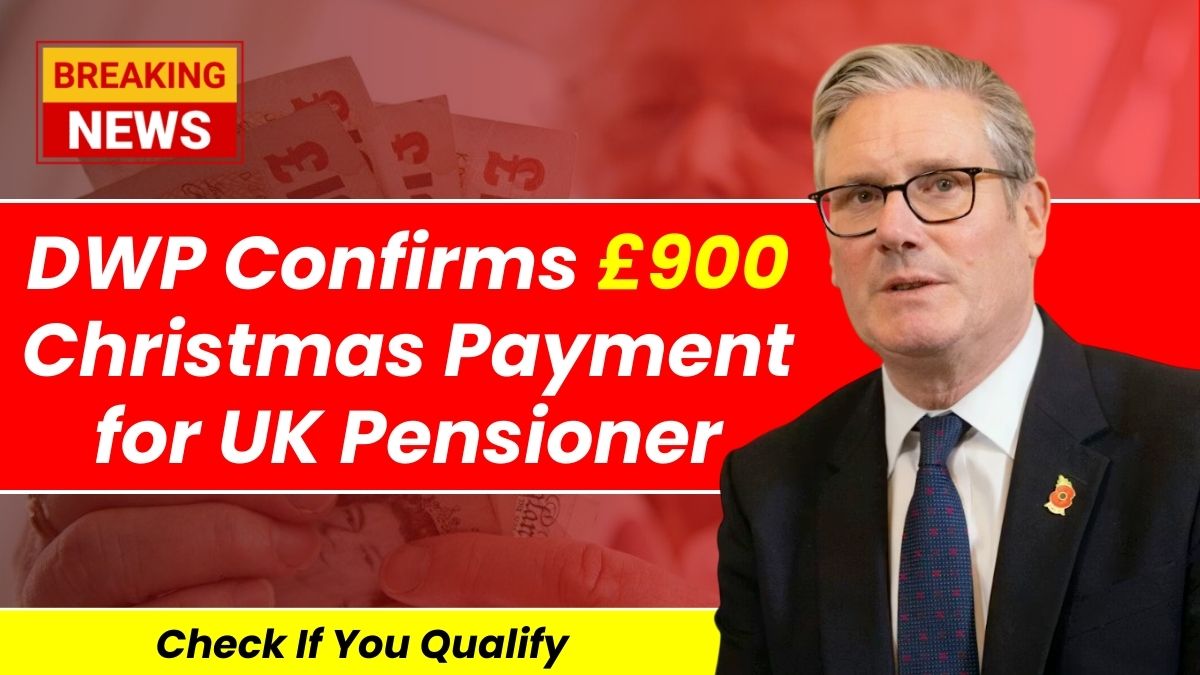
£900 Christmas Payment – As Christmas gets closer, many pensioners and older households across the UK are carefully watching their finances. With energy bills still high, food prices rising, and winter costs adding pressure, any mention of extra support naturally grabs attention. Recently, the Department for Work and Pensions confirmed details around what is being widely referred to as a £900 Christmas payment, with payments beginning from 19 December. However, the headline alone has caused confusion, so it is important to understand what this actually means.
The £900 figure is not a brand-new one-off Christmas bonus paid to everyone in one go. Instead, it refers to the total value of several support payments that many pensioners and seniors may receive around the winter period, depending on their circumstances and the benefits they already receive.
What the £900 Christmas Payment Really Means
The £900 Christmas payment is not a single lump sum deposited into every pensioner’s bank account. It is a combined total made up of different winter and cost of living support payments that are scheduled around the end of the year. For some people, these payments arrive close together, which makes it feel like a large Christmas boost.
If your usual payment date falls on or just after Christmas Day or Boxing Day, your money is often paid a few working days early. That is why many payments linked to pensions and benefits begin appearing from around 19 December onwards.

Which Payments Can Make Up the £900 Total
For pensioners and seniors, the £900 figure can include several different types of support. The most common element is the Cost of Living Payment for people on means-tested benefits. Pensioners who receive Pension Credit may qualify for this.
Another significant part is the Winter Fuel Payment, which is paid annually to help older people cover heating costs. Depending on age and circumstances, this payment alone can be worth a few hundred pounds. When combined with Cost of Living support and any additional Pension Credit top-ups, the total winter support can approach £900 for some households.
Who Is Most Likely to Qualify
Not every pensioner will receive the full £900 amount. Those most likely to reach this total are pensioners who receive Pension Credit, particularly Guarantee Credit, as this unlocks access to additional Cost of Living Payments.

Pensioners on a low income, especially those who rely mainly on the State Pension and have limited savings, are more likely to receive the full range of winter support. Seniors who do not receive Pension Credit may still get the Winter Fuel Payment, but their total support may be lower.
Are Payments Automatic or Do You Need to Apply
In most cases, payments linked to the £900 total are automatic. If you already receive Pension Credit, Winter Fuel Payment, or other qualifying benefits, you do not need to apply separately for each payment.
However, many pensioners miss out simply because they do not claim Pension Credit. Even a small entitlement can unlock access to Cost of Living Payments and increase overall winter support. That is why checking Pension Credit eligibility is one of the most important steps older people can take.

Will This Affect Your State Pension
The £900 Christmas support does not replace or reduce your State Pension. State Pension payments continue as normal and are not affected by Cost of Living or Winter Fuel Payments.
These winter payments are classed as extra support. They are not taxable, do not count as income, and do not reduce entitlement to other benefits. They are designed to help with seasonal costs, not change your long-term pension income.
Why Some People Are Paid Earlier or Later
Payment timing depends on your usual benefit schedule, bank processing times, and whether your normal payment date falls on a bank holiday. Some people may see payments arrive before Christmas, while others may receive them between Christmas and New Year or in early January.

This variation often causes confusion, but it does not usually mean something has gone wrong. Checking bank statements and online benefit accounts is the best way to track payments during this period.
How to Avoid Christmas Payment Scams
Whenever extra payments are announced, scam messages tend to increase. Fraudsters may send texts, emails, or social media messages claiming you need to apply for the £900 Christmas payment or confirm bank details.
The DWP will never ask for personal or banking information by text or email. Payments are made automatically. If you receive a message asking you to click a link or provide details, it should be treated as a scam and ignored.

What Pensioners Should Do Now
If you are a pensioner or senior, the best step right now is to make sure your benefit details are correct and up to date. If you receive Pension Credit, keep an eye on your bank account from mid-December onwards. If you do not receive Pension Credit, it is worth checking eligibility, even if you think you might not qualify.
Staying informed and relying on official information helps avoid unnecessary stress during the festive period.
Final Thoughts
The £900 Christmas payment headline has caused excitement but also confusion. In reality, it refers to a combination of winter support payments that many pensioners may receive around the same time, starting from around 19 December.

For eligible seniors, this support can make a meaningful difference during the coldest and most expensive time of the year. Understanding what you qualify for, when payments arrive, and how to avoid scams ensures you can enjoy the festive season with greater peace of mind.
Disclaimer
This article is for general information only and is based on publicly available guidance at the time of writing. Benefit rules, payment dates, and eligibility criteria may change depending on government policy and individual circumstances. This content does not constitute financial, legal, or welfare advice. For accurate and personalised information, readers should check official government sources or contact the Department for Work and Pensions or an accredited welfare adviser directly.