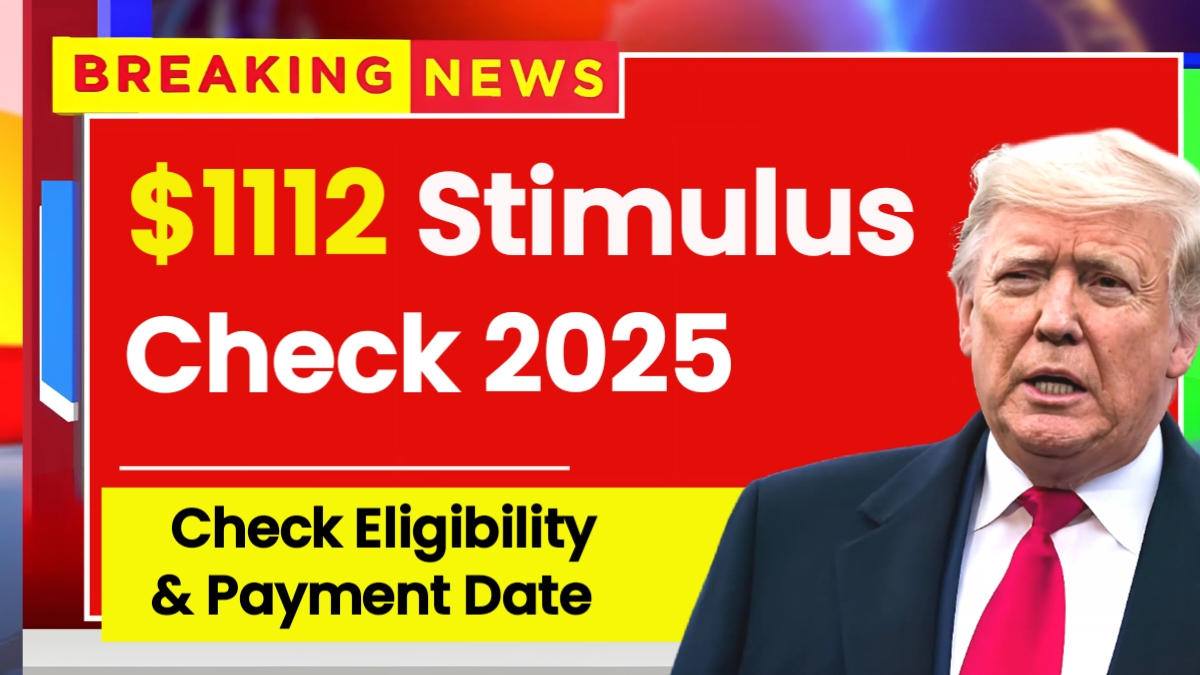
$1112 Stimulus Checks 2025: In 2025, millions of people across the United States are searching for clarity around a widely discussed topic — the so-called $1112 stimulus checks. Social media posts, online videos, and viral headlines have fueled confusion, leading many to believe that a new federal payment is on the way. This has created uncertainty, especially among low- and middle-income households that continue to face rising living costs, higher rent, and persistent inflation pressure.
The discussion gained momentum because $1112 is not a random number. In reality, it is linked to specific state-level relief programs and tax rebates, not a nationwide federal stimulus. Understanding the difference matters, as misinformation can lead to false expectations, missed deadlines, or even scams. This article explains what is real, what is not, and how eligible residents may still receive financial relief in 2025. The goal is to provide clear, people-first information so readers can make informed decisions without confusion or panic.
Federal Stimulus Checks 2025: What Is Officially Confirmed
The federal government has not approved any new stimulus checks for 2025. Agencies like the IRS have clearly stated that the pandemic-era Economic Impact Payments are no longer active. The Recovery Rebate Credit, which allowed eligible individuals to claim missed payments, had a fixed deadline that has already passed. No new federal eligibility rules or payment schedules exist for this year.

This distinction is important because federal stimulus checks apply nationwide and follow uniform rules. In 2025, there is no law or bill authorizing a $1112 payment for all Americans. Any messages claiming otherwise often misuse old data or combine multiple state benefits into a single misleading figure. Verifying information through official IRS communications remains the safest way to avoid confusion.
State Relief Payments Behind the $1112 Figure
The $1112 amount is most commonly associated with state-level rebate and credit programs. For example, Colorado’s Property Tax, Rent, and Heat Credit program allows eligible residents to receive payments that may reach or approach this figure depending on their income and living situation. These payments are designed to support seniors, low-income households, and individuals facing high housing or energy costs.
Other states also offer financial relief, though amounts vary. New York has issued inflation refund checks for qualifying residents, while states like Georgia and Virginia have approved tax rebates tied to surplus revenues. California continues to experiment with local guaranteed income programs. Each of these initiatives has its own rules, timelines, and funding sources, making them very different from a federal stimulus check.

Eligibility Rules and Payment Timing in 2025
Eligibility for state relief payments depends entirely on where a person lives and whether they meet specific criteria. Common requirements include full-year residency, income thresholds, and filing a state tax return. Some programs also require proof of rent paid, property taxes, or heating expenses. Even residents with very low or zero income may need to file paperwork to qualify.
Payment dates also vary widely. Many state programs issue checks only after tax returns are processed, which can take several weeks or months. Some payments are mailed, while others are deposited directly into bank accounts. There is no single nationwide payment date for relief in 2025. Staying updated through official state tax websites is the most reliable way to track timelines.
Future Outlook and Ongoing Policy Discussions
Looking ahead, lawmakers continue to debate new forms of financial relief, including targeted rebates and economic dividend proposals. These discussions often resurface during election cycles or periods of economic stress. However, as of late 2025, none of these ideas have been passed into law or approved for distribution.
This means that any future stimulus-style payments would require fresh legislation and clear government announcements. Until then, residents should focus on existing state programs and ensure their tax filings are accurate and complete. Relying on verified information helps people avoid scams and ensures they do not miss out on benefits they may already qualify for under current rules.
Disclaimer: This article is for informational purposes only and is based on publicly available information as of December 2025. It does not constitute financial, tax, or legal advice. Readers should consult official IRS or state tax authority websites or speak with a qualified professional to confirm eligibility and payment details.