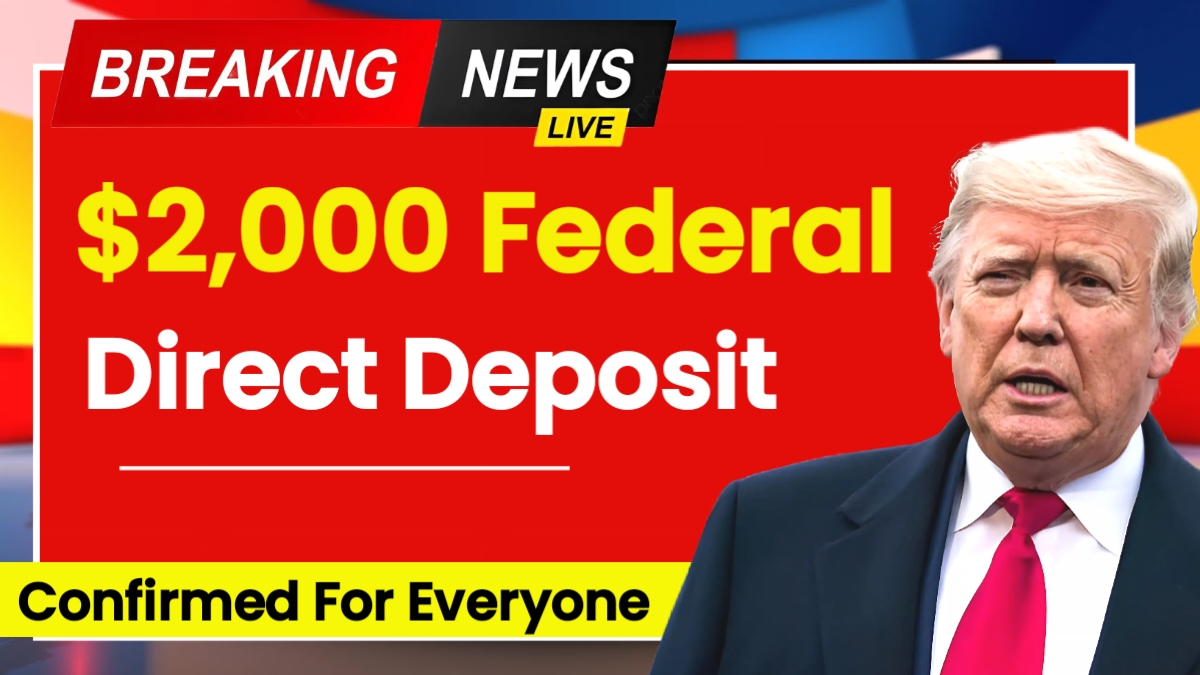
IRS Confirms $2000 December Deposit: Over the last several months, online discussions about a possible $2,000 stimulus check arriving in December 2025 have grown rapidly. Social media posts, short videos, and articles often describe the payment as almost guaranteed. For many Americans already struggling with high living costs, these claims offer hope of financial relief before the holidays. However, the reality behind these headlines is far less certain than it appears online.
Inflation may have slowed compared to earlier years, but essential expenses like rent, groceries, insurance, and utilities remain high. Because of this, even unverified news about government support spreads quickly. It is important to understand what is actually confirmed and what remains speculation.
Why December 2025 Became the Center of Attention
The focus on December 2025 did not come from an official government announcement. Instead, it developed gradually through repeated online interpretations of economic discussions and future planning conversations. Many people associate December with stimulus payments because past relief programs were launched during winter months.

Over time, this pattern was incorrectly extended into future years. As content was reposted and simplified, the difference between past actions and future possibilities became blurred. What began as discussion slowly transformed into expectation without any official approval.
What Federal Records Really Show
A review of official federal records makes the situation clear. There is currently no approved $2,000 stimulus payment scheduled for December 2025. Neither Congress nor the Internal Revenue Service has released any documentation authorizing such a payment.
There is no enacted law, no allocated funding, and no administrative guidance explaining how a payment would be distributed. Without these elements, federal agencies do not have the legal authority to issue stimulus checks, regardless of what online sources suggest.

How Headlines Create Misunderstanding
Many articles discussing stimulus checks follow a familiar pattern. The main content often uses careful language such as “could be discussed” or “may be considered.” However, the headline may use stronger wording like “checks coming” or “payments expected.”
When these headlines are shared on social media without the full context, readers may assume a final decision has already been made. This loss of nuance allows speculation to spread as fact, even when no official action supports it.
The Tariff Dividend Idea and Its Limits
One explanation often mentioned in online discussions is the tariff dividend concept. This idea suggests that excess revenue from import tariffs could be returned to the public as a direct payment. Some sources estimate this payment at around $2,000 per person.

Despite its appeal, the idea remains theoretical. It has not been turned into law, included in an approved federal budget, or assigned a payment date. December 2025 is not mentioned in any official documents related to this proposal.
Why Routine IRS Payments Cause Confusion
Another major source of confusion is regular IRS payment activity. Throughout the year, the IRS issues tax refunds, amended return adjustments, and delayed credits related to previous tax filings. These payments are normal and ongoing.
When people receive an unexpected deposit from the IRS, it may be mistaken for a stimulus payment. Without clear labeling, routine refunds can look like new relief payments, reinforcing false expectations about a broader program.
यह भी पढ़े:
 $4,983 Direct Deposit Expected in December 2025 — Eligibility and Payment Dates Explained
Structural Challenges to New Stimulus Programs
The policy environment today is very different from the period when stimulus checks were first introduced. Earlier payments were approved during major economic emergencies and had widespread bipartisan support. Lawmakers acted quickly to prevent economic collapse.
Current federal priorities focus more on controlling inflation, managing deficits, and ensuring long-term fiscal stability. Large cash payments are viewed cautiously because they can increase inflationary pressure and federal debt. This makes sudden nationwide stimulus programs less likely without extensive debate.
Why This Matters for Household Financial Planning
Believing that a stimulus check is guaranteed can affect how households plan their finances. Relying on unapproved payments may lead to overspending or delayed financial decisions. Understanding the current situation helps people plan based on confirmed income rather than rumors.

It is safer to focus on existing benefits and programs rather than waiting for uncertain relief. Accurate information allows families to make realistic budgets and avoid disappointment.
How to Verify Stimulus Information Correctly
Any legitimate stimulus program would be announced through official channels. Congress would pass legislation, and federal agencies would clearly explain eligibility rules, payment dates, and distribution methods. These announcements would be easy to verify on government websites.
Claims that lack these details should be treated cautiously. Speculation, even when repeated widely, does not replace official authorization.
यह भी पढ़े:
 $2,000 Direct Deposit for U.S. Citizens in December 2025 – Know Eligibility and Payment Dates
Could a Stimulus Check Still Happen Later
A future stimulus payment is not impossible, but it would require formal action. Congress would need to approve legislation, and federal agencies would need to announce clear guidelines. Until that happens, no stimulus payment exists.
Speculation alone cannot create a payment. Only enacted law and official announcements can do that.
The growing interest in a $2,000 stimulus check reflects real financial stress faced by many Americans. Rising costs make the idea of relief appealing. However, as of now, no $2,000 stimulus payment has been approved or scheduled for December 2025.
यह भी पढ़े:
 Social Security Benefits 2025: Understanding the Proposed $200 Monthly Increase for Seniors
Separating facts from online speculation helps protect both finances and expectations. Staying informed through official sources remains the best way to understand what assistance is truly available.
Disclaimer
This article is for informational purposes only and does not provide financial, legal, or tax advice. Government policies and relief programs may change based on future legislation or official decisions. Readers should verify information through official government sources or consult qualified professionals before making financial decisions.