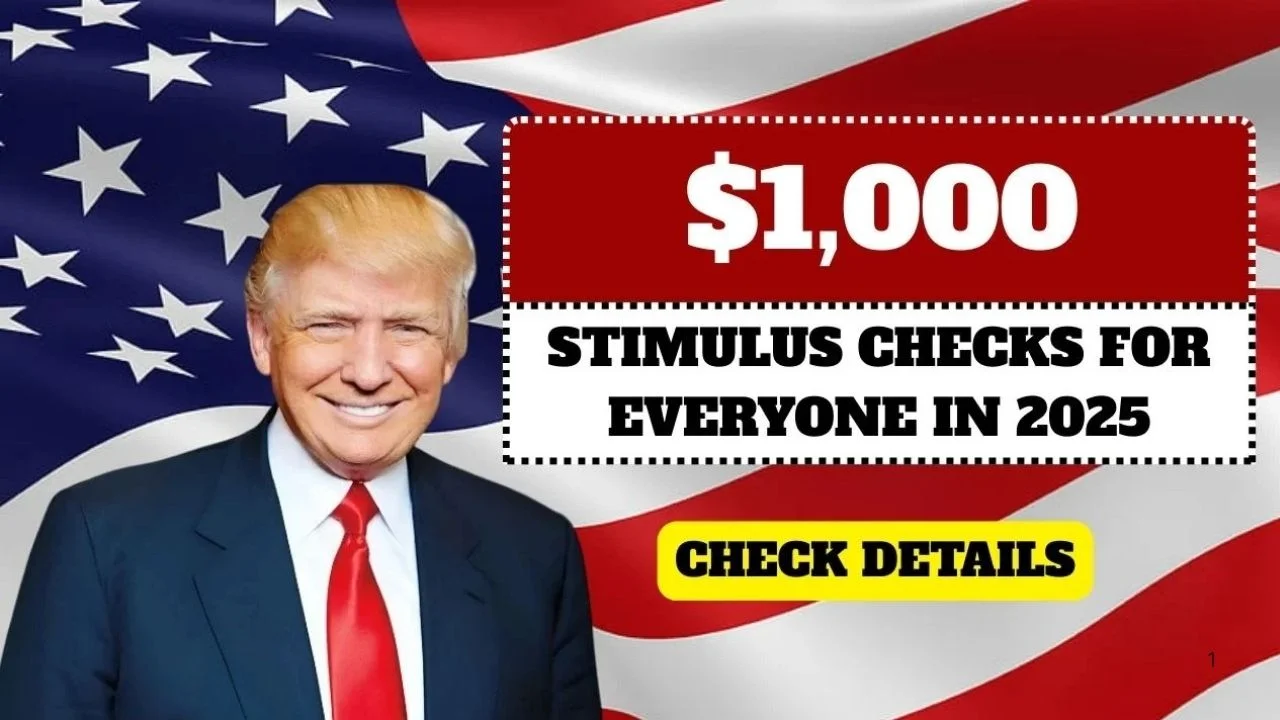
As 2025 progresses, many seniors across the United States are closely watching news about a possible $1,000 stimulus payment. Rising prices for everyday necessities have placed steady pressure on older adults, especially those living on fixed incomes. Costs related to healthcare, housing, food, and utilities continue to increase, while monthly benefits often struggle to keep pace. For millions of seniors, even a small rise in expenses can upset carefully planned household budgets.
Although there is no single nationwide stimulus payment officially confirmed so far, ongoing federal discussions, state relief programs, and targeted benefit initiatives have kept the idea of a $1,000 stimulus check very much in focus. Understanding how such a payment might work, who could qualify, and how it may be delivered is important for seniors planning their finances in 2025.
Why Seniors Are Facing Increased Financial Pressure

Older Americans are among the most vulnerable groups during long periods of inflation. Many retirees depend almost entirely on fixed monthly payments from Social Security or related programs. These benefits are adjusted periodically, but real-world costs often rise faster than those adjustments.
Healthcare expenses have been especially challenging. Prescription drugs, insurance premiums, and medical visits often consume a large share of a senior’s income. Housing costs, including rent, property taxes, and maintenance, have also increased in many regions. On top of this, higher food and utility prices continue to strain limited budgets. Together, these pressures have made it harder for seniors to maintain financial stability.
The Purpose of a $1,000 Stimulus Payment

The widely discussed $1,000 stimulus payment is intended as a one-time financial relief measure rather than a permanent increase in benefits. Its goal is to help seniors manage essential expenses during periods of elevated costs. While it may not solve long-term financial challenges, a single payment can offer short-term breathing room.
For many seniors, an extra $1,000 could help cover medical bills, refill prescriptions, pay utility balances, or reduce reliance on credit cards and loans. This type of relief can prevent difficult choices, such as skipping medications or delaying necessary care.
How Stimulus Payments Are Typically Distributed

Most stimulus-style payments rely on existing government systems to ensure fast and efficient delivery. In many proposals, payments would be issued through programs already managed by the Social Security Administration. Using existing records allows funds to reach eligible seniors without requiring new applications or paperwork.
Direct deposit is usually the fastest method. Seniors who already receive benefits through direct deposit often get payments weeks before those who rely on mailed checks. Some recipients may also receive funds through prepaid debit cards, depending on their benefit setup.
Who Is Most Likely to Qualify in 2025

While final eligibility rules depend on official approval, most discussions suggest that seniors aged 62 or 65 and older would be the primary focus. Those receiving Social Security retirement benefits, Supplemental Security Income, or Social Security Disability Insurance are often included in such proposals.
Income limits may apply to ensure assistance goes to households most affected by rising costs. Seniors with lower or moderate incomes are generally prioritized. Eligibility is usually determined using existing benefit records or recent tax filings, which means accurate personal information is essential.
When Payments Could Be Issued

If a $1,000 stimulus payment is approved in 2025, it would likely be distributed in phases rather than all at once. This approach helps agencies manage logistics and ensures that the most vulnerable recipients receive funds early. Payment timing would depend on legislative decisions and administrative readiness.
Seniors receiving direct deposit would likely see funds first, followed by mailed checks and debit cards. Those relying on postal delivery should expect slightly longer wait times.
The Economic Impact Beyond Individual Households

Stimulus payments are designed to provide both personal relief and broader economic support. Seniors typically spend relief funds quickly and locally. Payments often go toward groceries, pharmacies, healthcare providers, and essential services. This type of spending helps support local businesses and keeps money circulating within communities.
By targeting assistance to seniors, policymakers aim to ensure that funds reach people who are most likely to use them immediately for essential needs.
Staying Informed and Avoiding Scams

Because discussions around stimulus payments can change quickly, seniors should rely only on official government sources for updates. Monitoring benefit statements and keeping contact information current can help avoid delays if payments are approved.
It is equally important to remain cautious of scams. No legitimate stimulus program requires upfront fees or unsolicited requests for personal information. Any call, message, or email asking for payment to release benefits should be treated as a warning sign.
Looking Ahead to 2025

The continued conversation around $1,000 stimulus checks reflects growing awareness of the financial challenges facing older Americans. While a one-time payment is not a long-term solution to inflation or rising healthcare costs, it could provide meaningful relief for millions of seniors.
By staying informed, keeping records updated, and relying on official channels, seniors can be better prepared to receive any assistance they may be entitled to in 2025.
Disclaimer

This article is for general informational purposes only. Stimulus payments discussed here are based on proposals and ongoing policy discussions and are not guaranteed. Eligibility rules, payment amounts, and distribution timelines may change depending on official government decisions. Readers should rely on announcements from authorized government agencies for the most accurate and up-to-date information. The author and publisher are not responsible for financial decisions made based on this content.