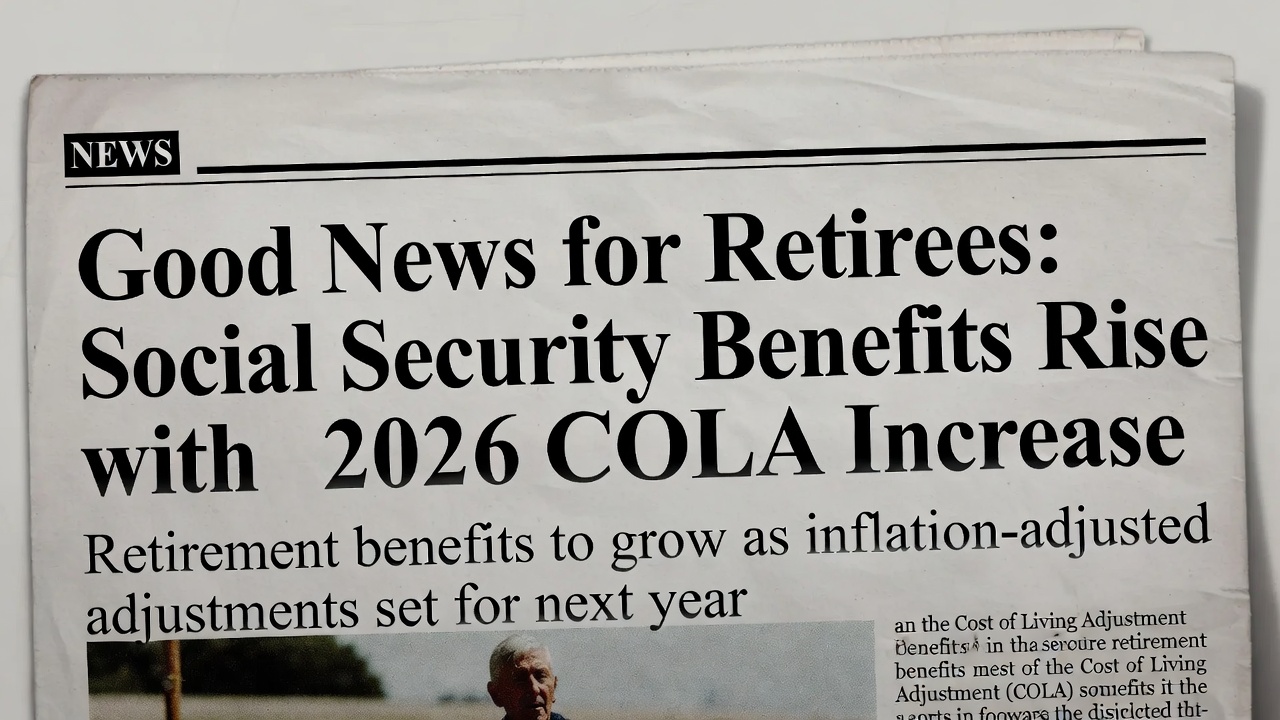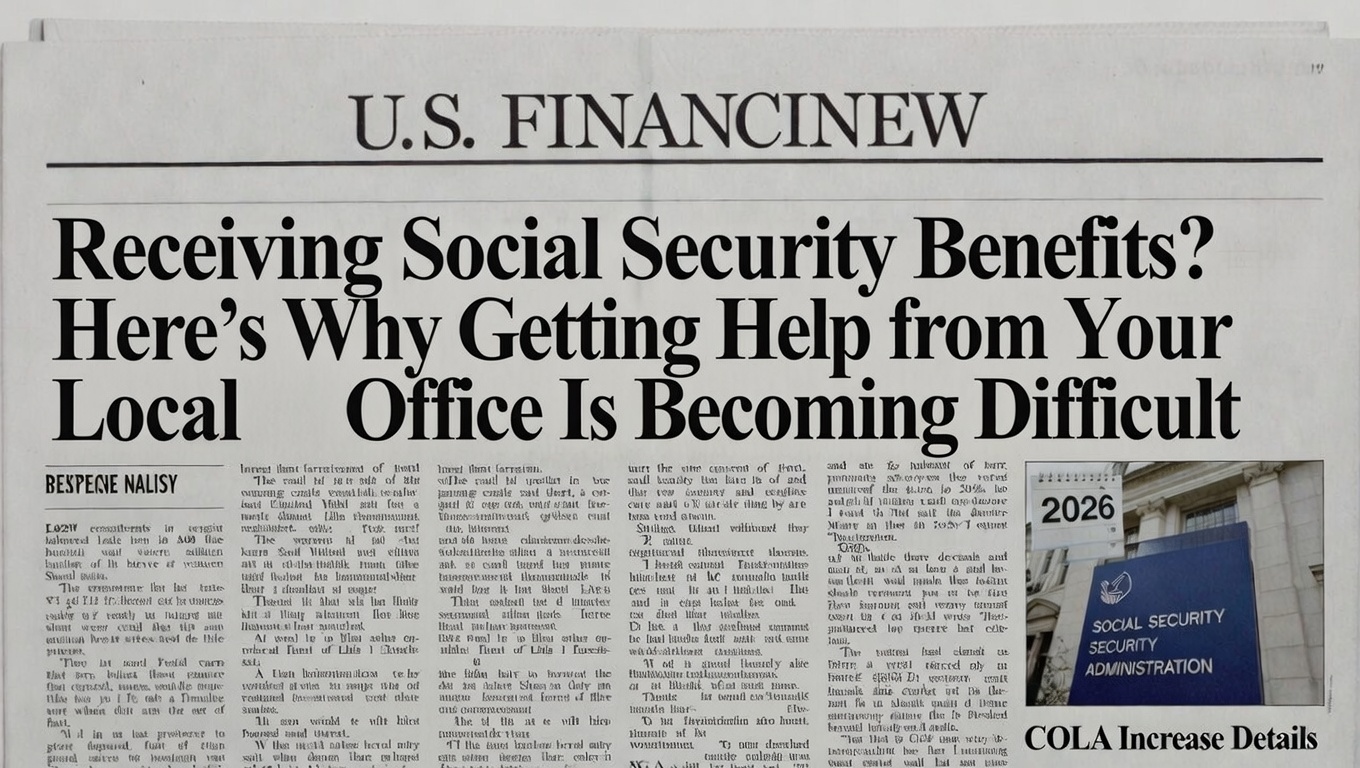
For millions of Americans, Social Security is not just another government program. It is the foundation of retirement security, disability support, and survivor income. Whether someone depends on it fully or uses it to fill financial gaps, access to timely help from the Social Security Administration has always mattered. In 2025, however, getting that help has become noticeably more difficult.
The reason is a sharp reduction in staff at the Social Security Administration. In a short period, around 7,000 employees were cut from the agency, many of them working directly with the public. This sudden change has increased pressure on an already stretched system and is now affecting everyday people who need answers, corrections, or urgent support.
Why the Social Security Administration Is Under Strain
The Social Security Administration serves nearly 71 million people across the United States. That includes retirees, disabled workers, survivors, and families who rely on monthly benefits. Even in stable times, managing this volume requires a strong workforce and efficient systems. When thousands of staff members are removed, cracks begin to show quickly.

Social Security touches people at every stage of life, from issuing Social Security numbers at birth to handling retirement and disability claims decades later. Reducing the workforce that manages these services does not change the law, but it does weaken the ability of people to access what they are legally entitled to receive.
Fewer Employees, Slower Service
Although a 12 percent staffing reduction may not sound extreme on paper, the real-world impact is significant. Social Security offices were already busy before the cuts. With fewer employees available, phone lines are more crowded, appointments are harder to get, and processing times have slowed.
People who need in-person help are feeling this most strongly. Those applying for benefits, requesting language assistance, filing disability claims, or appealing decisions are now facing longer waits. In many areas, wait times have doubled compared to just a few years ago, creating frustration and anxiety for people who depend on quick answers.

Seniors and Disabled Individuals Feel the Impact First
Older adults and people with disabilities are among the most affected by these changes. Many of them rely on Social Security as their main source of income and cannot afford delays. Community organizations report a sharp rise in calls from seniors who are confused, worried, or stuck in the process.
Even simple tasks have become more complicated. Changing an address, for example, may now require calling ahead and scheduling an in-person appointment. Identity verification has also become more complex, often requiring online uploads and additional steps that are not easy for everyone to complete.
The Push Toward Online Services Creates New Barriers
As staffing levels dropped, many callers were advised to use online services instead. While digital tools can be helpful, they are not accessible to everyone. Some Social Security recipients do not have reliable internet access. Others are uncomfortable navigating online systems or uploading documents.

For people who are elderly, visually impaired, or living with cognitive or physical disabilities, online-only solutions can feel overwhelming. When phone support is limited and in-person help is delayed, these individuals may feel shut out of the system meant to support them.
Increased Workload, Increased Stress
With fewer employees handling the same number of cases, remaining staff members are under intense pressure. This can lead to burnout, slower responses, and a higher risk of errors. For beneficiaries, that means more follow-ups, repeated calls, and longer periods of uncertainty.
Advocacy groups warn that cutting access to help can have the same effect as cutting benefits. If people cannot reach the system, cannot understand it, or cannot complete required steps, they may miss payments or experience unnecessary hardship, even though the rules themselves have not changed.

What You Can Do If You Need Help
While the situation remains challenging, there are steps people can take to reduce frustration. Planning ahead is more important than ever. If you expect to apply for benefits, make changes, or file an appeal, start early and keep copies of all documents.
Local senior advocacy groups and nonprofit organizations can also be valuable resources. Many of them help people navigate Social Security processes, explain paperwork, and even assist with appointments. Reaching out to these groups can provide guidance when official channels are slow.
Why Social Security Still Matters in Your Retirement Plan
Despite these challenges, Social Security remains a critical part of retirement planning. For many Americans, it is the difference between stability and poverty. Even with delays and frustrations, the benefits themselves continue to play a central role in financial security.

Understanding how the system works and where to find support can make a real difference. Staying informed, organized, and patient can help reduce stress while navigating the current environment. Over time, staffing and service levels may improve, but for now, awareness is key.
Looking Ahead With Caution and Preparation
The staffing cuts at the Social Security Administration highlight how much infrastructure matters, not just policy. When support systems weaken, everyday people feel the effects first. Whether these issues will be resolved soon remains uncertain.
In the meantime, those who rely on Social Security should stay proactive. Seek help early, use trusted advocacy resources, and prepare for longer timelines. Social Security will likely remain a cornerstone of retirement income, and understanding how to manage around current delays can help protect your financial well-being.

Disclaimer
This article is for informational purposes only and does not provide legal, financial, or retirement advice. Social Security policies, staffing levels, and procedures may change. Readers are encouraged to consult the Social Security Administration directly or seek guidance from qualified professionals or trusted advocacy organizations for advice related to their specific situation.