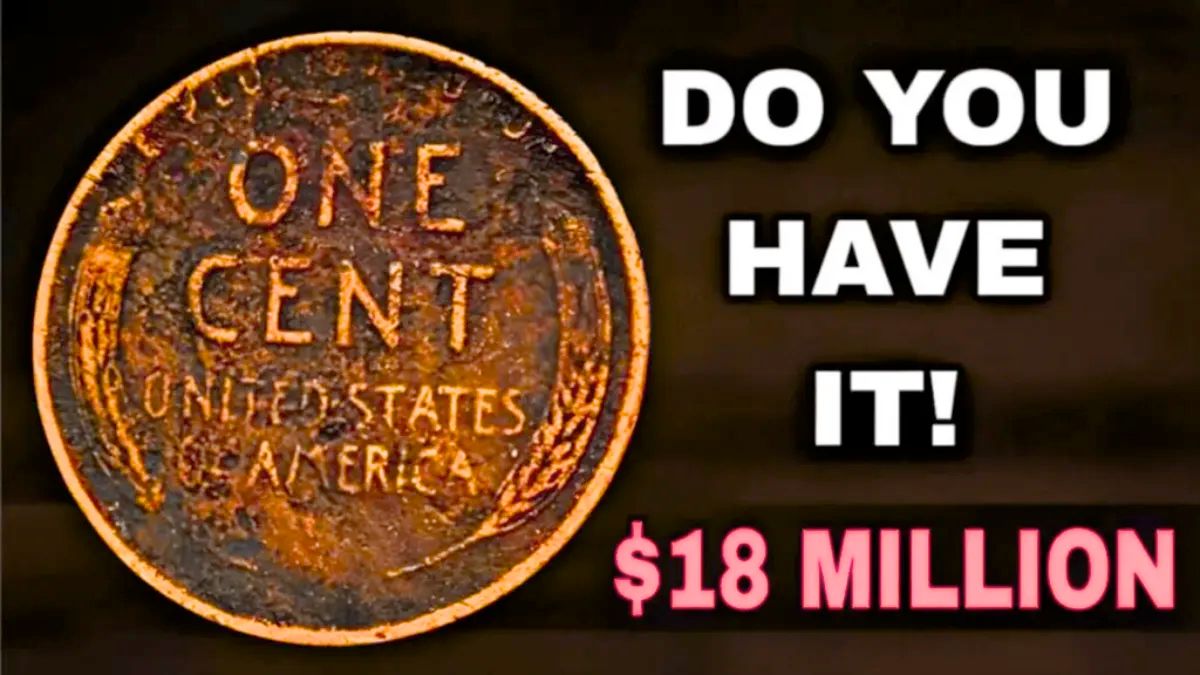
Wheat pennies might look like ordinary old coins, but in the world of coin collecting, they have become superstars over the last decade. What used to be coins you could find in pocket change are now being hunted for hundreds of dollars — and in some cases, thousands. From rare minting mistakes to low-mintage early dates, these tiny copper treasures have turned into big money collectibles. If you’re curious about how wheat penny values have changed and which ones you should be keeping an eye out for in 2025, this guide explains it all in a simple and friendly way.
Why Wheat Pennies Have Become More Valuable Since 2013
Wheat pennies have gained popularity because more people have joined the coin-collecting hobby, especially younger collectors who discovered the thrill of finding rare coins through online marketplaces and auction websites. Interest has grown even more thanks to social media videos about rare pennies worth huge sums. Another major reason is that early wheat pennies are disappearing from circulation, and high-grade examples are getting harder to find. Over time, supplies get smaller while demand keeps increasing, which is the perfect formula for rising prices. Collectors also trust copper-era coins as a safe long-term investment, which adds extra confidence to the market.
Top Value Gainers in the Last 12 Years
This is the only bullet point section included in this article:
यह भी पढ़े:
 Federal $2,000 December 2025 Payments: Eligibility Criteria, Beneficiary Rules & Key Information
• 1909-S VDB — One of the most famous rare cents, and values have doubled in top condition, now between $700 and over $3,000
• 1914-D — A tough date with strong demand, often selling for $200 to $2,500+
• 1922 No D — A rare minting error that took off in popularity; values from $500 to $3,000
• 1931-S — Still climbing because of low production numbers; ranges from $100 to $500 in collectible grades
• 1955 Double Die Obverse — A dramatic visible error that collectors love; $1,000 to $10,000+ depending on grade
• 1958 Double Die (Ultra Rare) — Extremely scarce and valued into six-figure territory
• 1943 Copper Penny — The king of mint errors, occasionally selling for more than a million dollars
• Repunched Mintmark Varieties — Especially from the 1950s, seeing steady increases in auction prices
• High-Grade Late Wheat Cents — Mint State MS66+ examples from the 1930s–1950s now bring strong premiums
Market Trends Across Different Wheat Penny Categories
The easiest way to understand the growth is by looking at how different groups have performed. Key date pennies, especially those made before 1915, have jumped in value because hardly any high-quality versions survive today. Semi-key dates have also risen but at a more moderate pace, making them good stepping-stone investments for new collectors. Mint error pennies have become some of the most explosive performers, since visible striking mistakes make them instantly appealing. Even common-date coins can sell high in mint condition because nobody expected these everyday pennies to stay untouched for so long.
Mint Errors: The Secret Behind the Biggest Value Surges
Of all categories, mint errors are the hottest right now. A coin becomes a mint error when something unusual happens during the production process, and that mistake makes it stand out from regular coins. Errors like doubling, missing mintmarks, off-metal strikes, clipped edges, or misaligned dies all add strong collector demand. The famous 1955 doubled-die penny is one of the biggest success stories, jumping sharply in value due to the dramatic doubling on the date and the word “LIBERTY.” Visual appeal combined with rarity makes these coins extremely desirable for collectors hoping for investment-worthy finds.
यह भी पढ़े:
 $3,600 VA Stimulus Check 2025: What Veterans Need to Know About the Proposed Relief Boost
High-Grade Wheat Pennies: Tiny Coins Worth Big Bucks
Another major trend that pushed values up is the growing emphasis on high-grade, professionally graded coins. Companies like PCGS and NGC get thousands of submissions each year from collectors hoping for high Mint State grades. A wheat penny that may look normal to the eye could be worth hundreds of dollars if it receives a top-tier grade like MS66 or MS67. Collectors building high-ranking “registry sets” compete to own the very best examples available, and this competition drives prices up even further. It proves that even common dates can be valuable if they survived in fresh, original condition.
What Collectors Want Most in 2025
In today’s market, collectors are focusing on coins with great eye appeal. That means coins with bright luster, sharp details, and minimal scratches. They also look for strong, crisp strikes, especially on early dates where quality varied a lot. Clear mintmarks add extra authenticity and value, and coins with known varieties like double-die obverses (DDO), double-die reverses (DDR), and repunched mintmarks (RPM) are topping search lists. Certification has become extremely important because it removes doubts about whether a coin is genuinely rare or altered.
You Can Still Find Valuable Wheat Pennies Today
The coolest thing about wheat pennies is that treasures are still hiding in ordinary places. Many people discover valuable coins in family jars, inherited collections, garage sales, attic boxes, and dusty piggy banks that have been untouched for years. Coin roll hunting has also become a popular hobby, with some collectors finding rare varieties hidden in bank-wrapped rolls. Antique shops and flea markets occasionally offer great finds when old collections get sold without proper knowledge of what they contain. It’s like a treasure hunt that anyone can join if they keep a sharp eye.

A Market Filled With Opportunity
The last 12 years have proven that wheat pennies are an incredibly strong area of the collecting hobby. They are affordable enough for beginners to start collecting while still having the potential for massive payouts if the right coin appears. From iconic low-mintage early issues to jaw-dropping mint errors and high-grade survivors, wheat pennies continue to deliver excitement and value. Their long history, beautiful design, and copper charm make them perfect for collectors who enjoy turning small discoveries into big rewards.
Conclusion
Whether you’re already a collector or just starting out, wheat pennies remain one of the best choices in today’s coin market. Their values have consistently trended upward, and with more collectors joining the hunt every year, the future still looks bright. The next time you come across a wheat penny, don’t ignore it — those tiny wheat stalks on the back might just lead you to a hidden treasure. With patience, knowledge, and a little luck, these coins can turn into a rewarding and exciting pursuit.
Disclaimer

This article is based on current market trends and general collectible values for wheat pennies in 2025. Actual prices can vary widely based on condition, grade, rarity, and buyer interest at the time of sale. Coin values are constantly changing due to auctions and market fluctuations. Before spending significant money or selling a rare coin, it is recommended to consult a reputable coin dealer or professional grading service such as PCGS or NGC to ensure accurate evaluation and authentication.